Every story stays here. Filter by topic, search older headlines, and save favorites to your member record. Educational notes only — not medical advice.
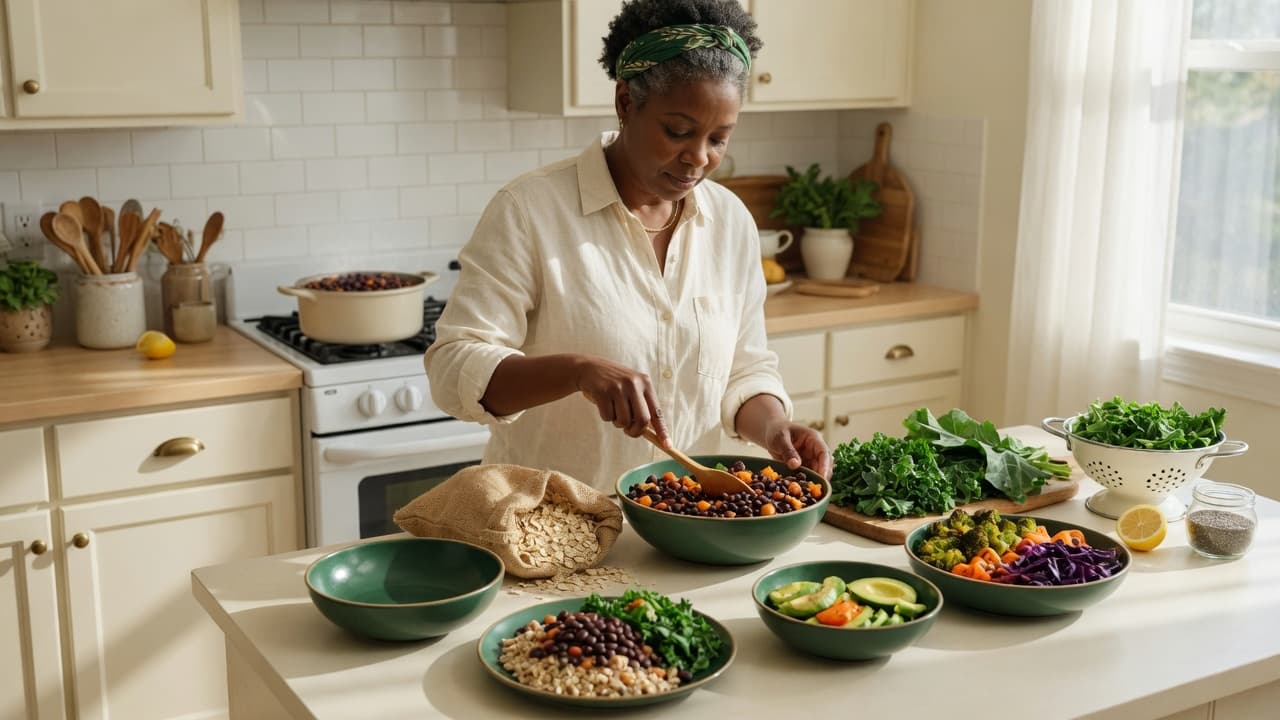
Study (mice). Northwestern Medicine researchers report in Nature Communications that butyrate, a short-chain fatty acid from fermenting dietary fiber, left a lasting imprint on intestinal epithelial cells. Two weeks after stopping butyrate in drinking water, mice still made more IL-10 from CD4+ T cells and fared better in chemically induced colitis; germ-free mice showed a similar signal. A candidate messenger is N1-acetylspermidine. This is laboratory animal work, not a human IBD trial and not a reason to treat colitis with a fiber pill. Food-first fiber is educational; concentrated butyrate products are weakly evidenced for this claim.
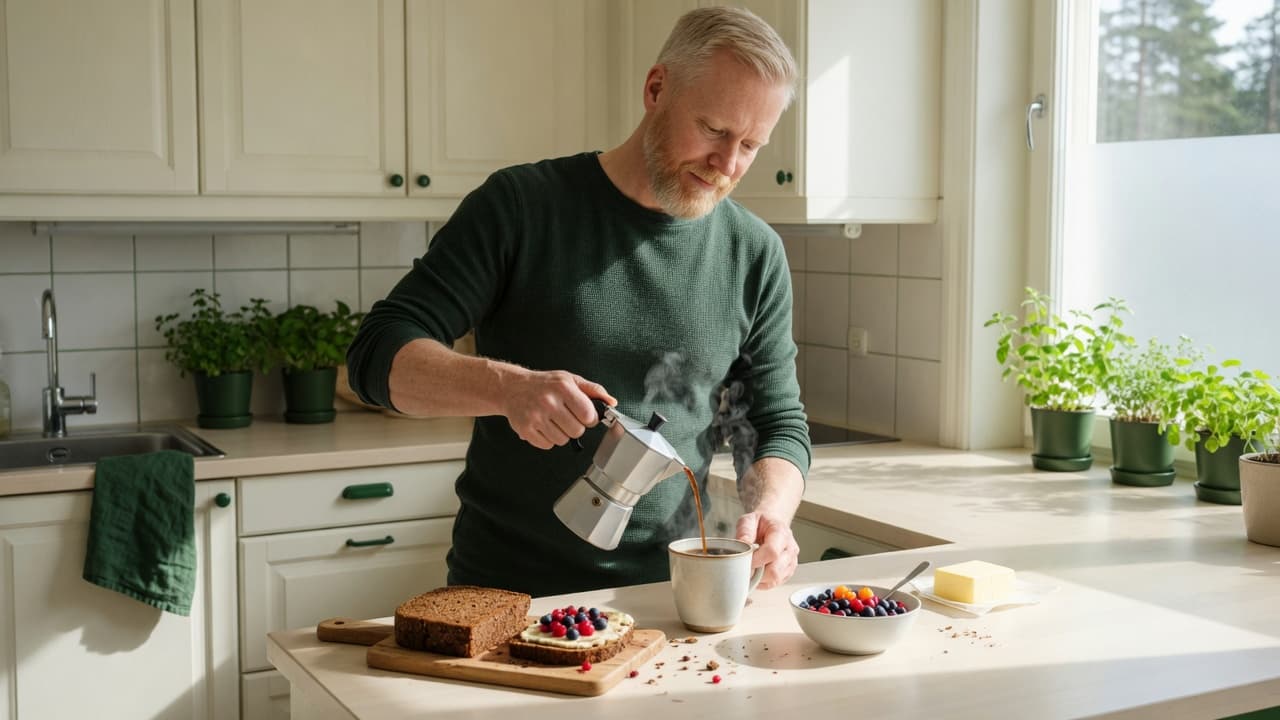
Study (observational). University of Oulu researchers writing in the European Journal of Nutrition studied 2,264 people aged 46 in the Northern Finland Birth Cohort 1966. Higher usual coffee intake tracked with less total and visceral fat and more skeletal muscle despite similar BMI, plus lower branched-chain amino acids. Men also showed a more favorable glucose-insulin profile and higher SHBG; free-androgen patterns differed by sex. Association is not causation, and this is not a prescription to drink more coffee. Bone-density questions from other coffee studies remain separate.
Study (observational). Hertility analysed at-home hormone tests from 30,453 women aged 18–74 in England, Scotland and Wales (2020–2025), published in the Journal of Endocrinological Investigation. Testosterone declined about 1.4% per year from the 20s, without an abrupt perimenopausal drop. The authors argue age-specific ranges beat a single cut-off. Self-selected testers, not a clinic trial. Educational research notes, not a testosterone prescription.
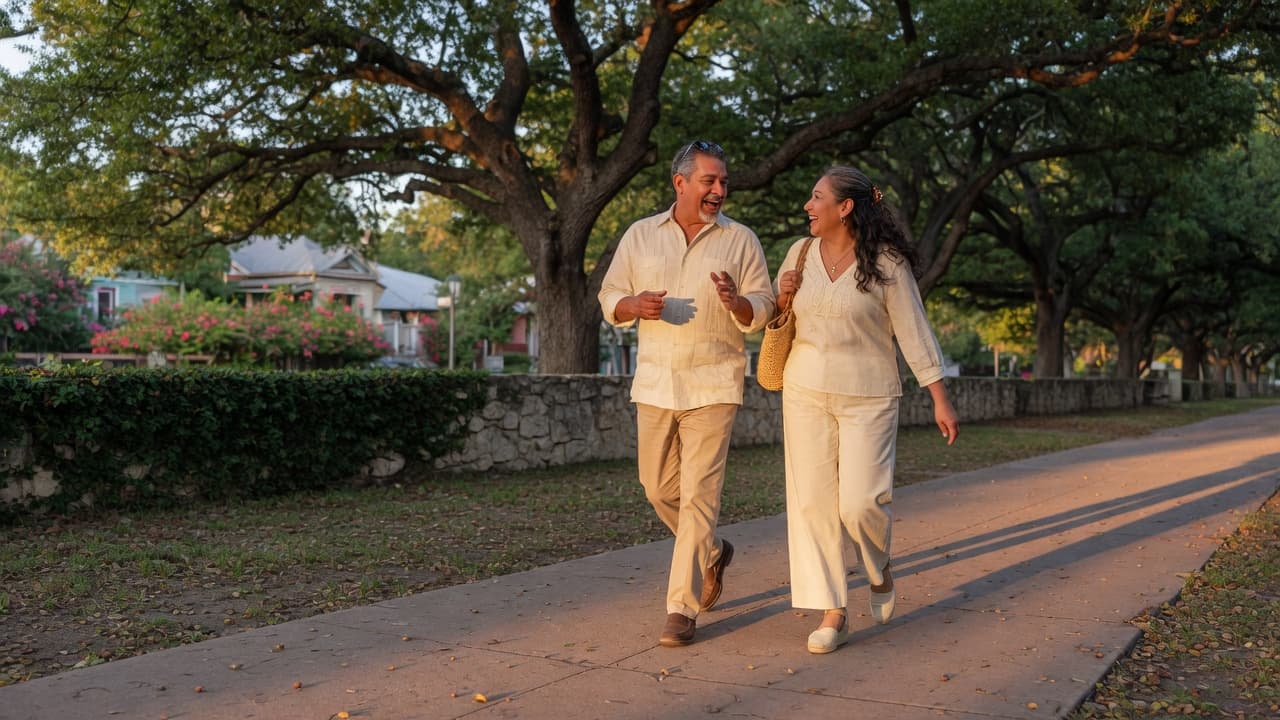
Study (meta-analysis). David Raichlen and USC colleagues pooled 74 cohort and case-control studies, more than 4.2 million people aged 45–93 across 30 countries, median follow-up 10 years. Higher leisure-time physical activity (walking, cycling, running, swimming, sports) was associated with 24% lower all-cause dementia risk versus the least active. Occupational physical activity was associated with 20% higher dementia risk (physical-activity paradox). Observational; residual confounding is likely. Educational exercise notes, not a dementia diagnosis or a workplace prescription.
Study (observational). UT Health San Antonio followed 402 San Antonio Heart Study / SALSA adults (mean age 57.9; 52% Hispanic) and linked midlife Life’s Simple 7 cardiovascular scores to later Mini-Mental State Examination change. Any physical activity versus sedentary tracked with slower cognitive decline especially among Mexican American participants; fasting glucose ≤126 mg/dL tracked with slower decline among non-Hispanic white participants. Association is not proof. Sample is modest. Movement and blood-sugar care remain habits with a clinician, not an Alzheimer’s treatment.
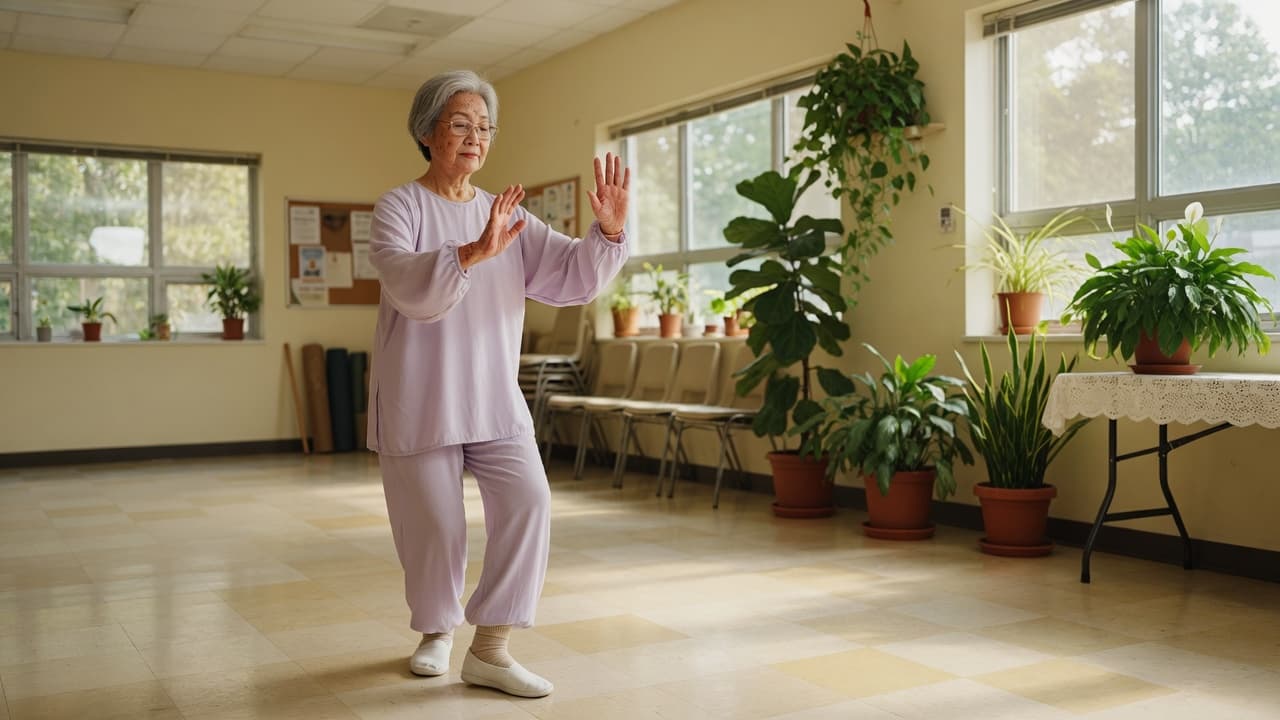
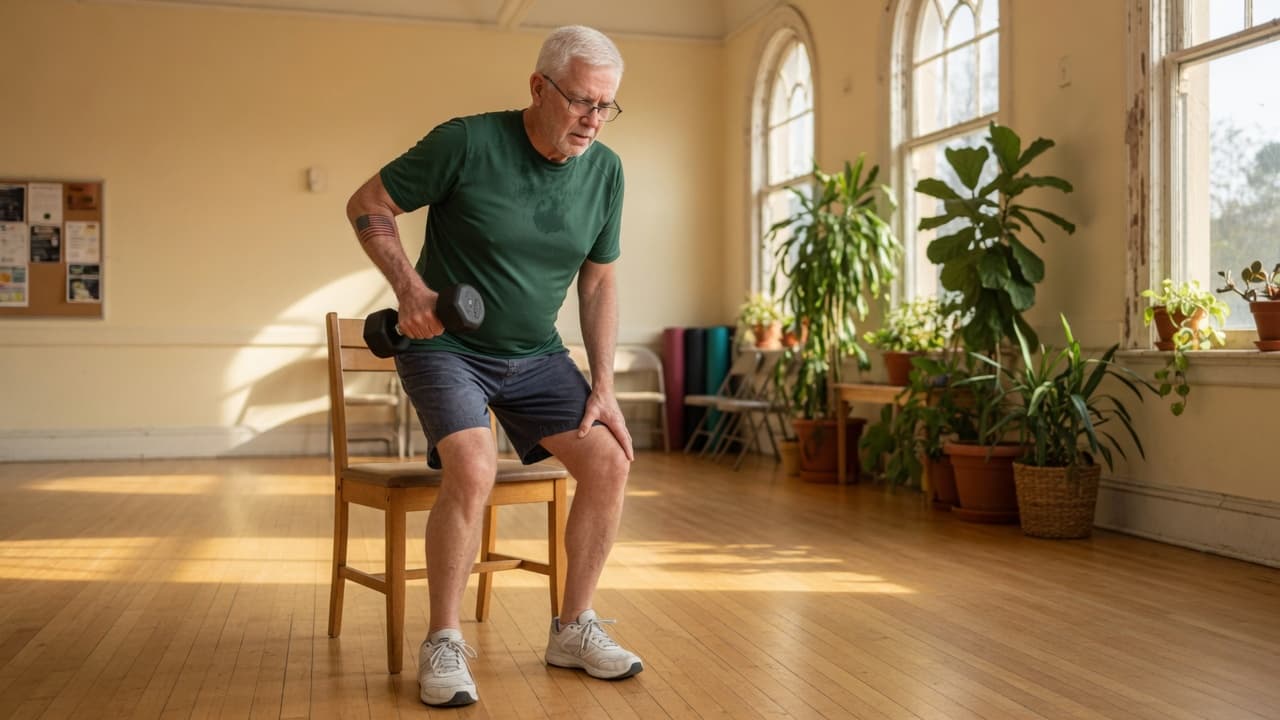
Commentary. A Conversation explainer (Gordon Waddington, University of Canberra) via ScienceDaily notes that cartilage and synovial fluid decline with age, but rest is not the only answer. Motion distributes joint fluid; muscle around joints cushions load. A Cochrane review found exercise reduces pain and improves function in knee osteoarthritis, with effects in the range of anti-inflammatory drugs but without those drug side effects. Low-impact options include swimming, cycling, tai chi, yoga, and walking on varied terrain. Educational movement notes, not a diagnosis or a supplement protocol. Get tailored advice if joints already hurt.
Study (network meta-analysis). A Frontiers in Nutrition analysis of protein plus resistance training found whey raised lean body mass the most versus placebo (MD +1.24 kg), then milk and casein. Whey trials were mostly young trained men (mean age ~34). Dose and training still matter; food-first protein is not a steroid. Educational nutrition notes, not a whey prescription.
Commentary (review of >350 studies). Lamming and Knopf in Cell Press Blue argue that protein restriction can improve metabolism and nutrient sensing in animals, with FGF21 and branched-chain amino acids as candidate levers. Human trials of lower protein have shown fat loss and better fasting glucose in some sedentary adults, while older or training adults often need more protein to keep muscle. Updated U.S. ranges of 1.2–1.6 g/kg sit in tension with that animal longevity literature. Not a one-size diet and not a claim that protein powders treat aging. Needs vary with activity, pregnancy, and clinician advice.
Study (observational). In the FEPOS cohort of 1,058 Danish men around age 19, higher body-fat percentage by bioelectrical impedance was associated with lower total sperm count even when BMI was in the normal range: about 23% lower count in the high body-fat group versus normal body-fat. Hormones shifted (lower testosterone and SHBG, higher LH and estradiol). Motility, morphology, and testicular volume were not clearly different. Association in young men, not a fertility diagnosis and not a reason to start hormone therapy. Educational metabolic/reproductive notes.
Study (randomized). The DEMFOS trial in The Lancet Healthy Longevity assigned 114 older adults with obesity (mean age 72.8; mostly men) to intensive diet-and-exercise plus metformin, intensive lifestyle plus placebo, or healthy-lifestyle education plus metformin. At 6 months, physical-performance-test gains were similar for intensive lifestyle with metformin versus placebo (mean difference 0.1 points, 95% CI −1.2 to 1.4). Lifestyle plus metformin beat education plus metformin by 2.5 points. Metformin did not add function on top of diet and exercise. Metformin remains a prescription diabetes medicine, not a longevity supplement. Off-label aging use is clinician-only. Not medical advice. Educational supplement parallel (not a replacement): When longevity headlines discuss metformin, people often also research berberine. That is an off-label / curiosity parallel, not a recommendation to take berberine instead of metformin. Human longevity outcome data for both are limited; disease-use of metformin is clinician-prescribed. Weakly evidenced as an anti-aging product. Store: /store/berberine. Not medical advice. Not a substitute for a prescribed medicine. Off-label prescription use is clinician-only. VitaLonga does not diagnose, treat, or cure disease. Never start, stop, or replace a prescription with a supplement on the basis of a headline.
VitaLonga is an educational longevity resource, not a pharmacy, clinic, or doctor. Content is not medical advice and is not intended to diagnose, treat, cure, or prevent any disease (DSHEA). Supplements can interact with medications and are not appropriate in every pregnancy or health condition. Consult a licensed clinician, especially if you take medications, are pregnant or nursing, or have a diagnosed condition.