VitaLonga

Desk

News archive

Every story stays here. Filter by topic, search older headlines, and save favorites to your member record. Educational notes only — not medical advice.

Saved (sign in)

465 stories

Medical Xpress · 10 Sept 2026 · Supplements / medicine

Popular weight-loss drug could change how doctors treat sleep apnea

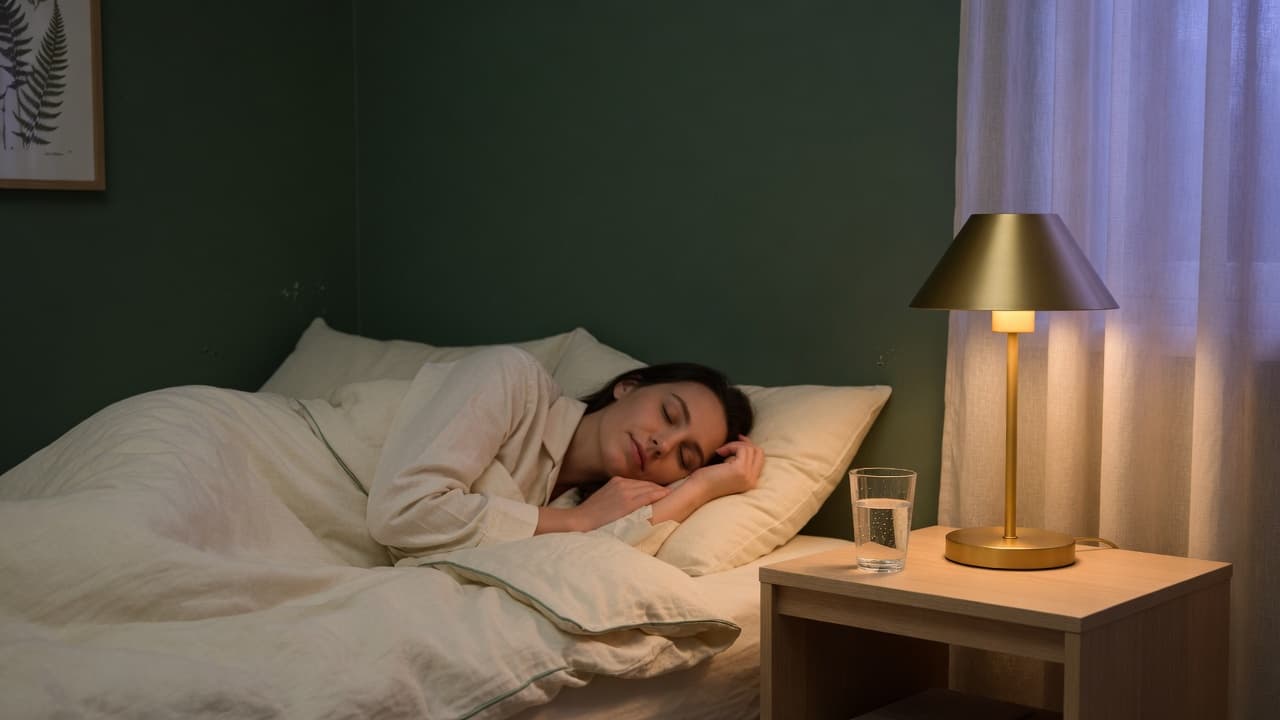
Commentary (evidence review). Sanjukta Mondal, writing for Medical Xpress on a JAMA Otolaryngology–Head & Neck Surgery review (Alexandria Harris and colleagues), summarizes GLP-1 receptor agonists—especially tirzepatide—for obstructive sleep apnea in adults with obesity. Across meta-analyses, breathing interruptions fell by about 5.7–21.9 events per hour; Phase III tirzepatide cut AHI about 50–63% (roughly 20–24 fewer events/hour) with 42–50% remission versus 14–16% on placebo. Much of the effect is weight-loss mediated; CPAP still reduced events more (~31/hour). Weight often returns after stopping. This is not a reason to start, stop, or replace a prescribed GLP-1 drug or CPAP. Off-label longevity use is clinician-only. Not medical advice. Educational supplement parallel (not a replacement): When headlines discuss GLP-1 medicines and aging, people often research food-first fiber or bitter-botanical “pathway support” formulas. Those are not semaglutide, not compounded GLP-1, and not a substitute for a prescribed GLP-1 drug. Mouse or marketing claims are hype until human outcome data exist. Weakly evidenced. Store: /store/glp1-pathway-support. Not medical advice. Not a substitute for a prescribed medicine. Off-label prescription use is clinician-only. VitaLonga does not diagnose, treat, or cure disease. Never start, stop, or replace a prescription with a supplement on the basis of a headline.

Read at Medical Xpress →♡ Save

  • commentary
  • sleep
  • longevity
  • glp1
  • off-label-context
  • aging
  • nutrition

News-Medical · 10 Sept 2026 · Supplements / medicine

Women use creatine differently from men, survey reveals

Study (survey). Burridge, Zhang, Boolani and colleagues report in Nutrients a SuppCo platform survey of 2,094 current or recent creatine users (1,055 women, 1,039 men; mean age about 53). Women clustered in shorter-duration groups, were less likely than men to name athletic performance as a goal (about 38% vs 50%) and more likely to name healthy aging. Knowledge scores rose with longer reported use; confidence still lagged men at high knowledge. This is a convenience sample (~2% response), not a trial of creatine for aging. Weakly evidenced as an anti-aging product. Educational supplement notes, not a recommendation to start creatine.

Read at News-Medical →♡ Save

  • study
  • women
  • aging

News-Medical · 10 Sept 2026 · Research

Popular AMH blood test fails to predict natural fertility

Study (observational records). Flinders University researchers (Kassie, Grzeskowiak and colleagues) report in the Australian and New Zealand Journal of Obstetrics and Gynaecology that GP requests for anti-Müllerian hormone (AMH) tests among almost 1.4 million Australian women rose more than 13-fold from 2011 to 2021, nearly 20-fold among women aged 30–34, even though AMH does not predict whether a healthy woman will conceive naturally or how much reproductive time she has left. Nearly one in five results were classified as low; about one-third of those who retested later fell in the normal range. Age remains the stronger fertility signal. Educational notes, not a fertility diagnosis and not medical advice.

Read at News-Medical →♡ Save

  • study
  • women

News-Medical · 10 Sept 2026 · Exercise

Movement span framework redefines how we measure aging

Commentary. Georgia Southern’s Li Li, in the Journal of Sport and Health Science, proposes “movement span” — years of confident, responsive, adaptive movement — as a third aging axis nested inside life span and health span. The opinion piece argues successful aging is not only longer disease-free years but everyday mobility quality, drawing on geroscience and motor-control evidence. This is a conceptual framework, not a trial of an exercise dose. Educational mobility notes, not a diagnosis of sarcopenia.

Read at News-Medical →♡ Save

  • commentary
  • fitness
  • aging
  • study

News-Medical · 10 Sept 2026 · Exercise

Strength training shows no added arrhythmia risk in arrhythmogenic cardiomyopathy registry

Study (registry). Johns Hopkins ARVC investigators report in JACC: Clinical Electrophysiology that among U.S. adults (median age 34 at enrollment, 44 at close), strength training (≥2 hours/week of weights, climbing, or martial arts) was not linked to higher sustained ventricular arrhythmia versus sedentary peers, while endurance athletes (≥4 hours/week vigorous aerobic) were 58% more likely to have an event than the sedentary or strength groups. About 55% of the cohort had a ventricular arrhythmia at some point. This is not blanket gym advice and not a diagnosis. Exercise choices in inherited cardiomyopathy are clinician-only.

Read at News-Medical →♡ Save

  • study
  • fitness

ScienceDaily · 10 Sept 2026 · Nutrition

Eating only 8 hours a day may help control Type 1 diabetes

Study (small RCT). UIC’s Krista Varady and colleagues randomised 32 Chicago adults with Type 1 diabetes and obesity to six months of noon–8 p.m. eating without calorie counting, a 25% calorie cut, or usual habits. Time-restricted eating lowered HbA1c by about 0.5% versus calorie reduction and did not raise reported severe hypo/hyperglycemia or ketoacidosis in this sample. First TRE trial in T1D; not a reason to change insulin or meal timing without an endocrinologist. Educational nutrition notes, not medical advice.

Read at ScienceDaily →♡ Save

  • Metabolic / glucose
  • study

Journal of the International Society of Sports Nutrition · 10 Sept 2026 · Supplements / medicine

Ten grams of creatine a day raised lean mass in sedentary adults 45–65, even without a gym plan

Study (randomized, double-blind). Jisun Chun, Richard Kreider and Texas A&M colleagues report in the Journal of the International Society of Sports Nutrition on 64 sedentary adults aged 45–65 (mean 54.5; 40 women, 24 men) who first chose a non-exercise or exercise-plus-diet arm, then received 10 g/day creatine monohydrate (2×5 g) or maltodextrin for 12 weeks. Without training, creatine increased DXA lean tissue (~1.1 kg), strength, and muscular endurance, with exploratory shifts in selected lipids, HbA1c, and memory tests. Exercise-plus-diet plus creatine cut body-fat percentage more. Self-selected arms; not a disease treatment. Educational supplement notes, not medical advice.

Read at Journal of the International Society of Sports Nutrition →♡ Save

  • 40–59
  • Metabolic / glucose
  • study
  • cognition
  • fitness
  • nutrition

News-Medical · 9 Sept 2026 · Supplements / medicine

Ten minutes of slow running boosts brain function and mood

Study. University of Tsukuba researchers (Damrongthai, Kuwamizu, Soya and colleagues) report in Imaging Neuroscience that 24 healthy young adults completed a 10-minute very slow treadmill run at about 3–6 km/h (~35% of peak oxygen uptake) versus a seated control. After the slow run, Stroop interference time shortened (a marker of executive function), self-reported mood improved, and fNIRS showed more activity in left dorsolateral prefrontal and left frontopolar cortex. Greater vertical bounce tracked with a larger mood gain. This is an acute lab session in young volunteers, not a dementia trial and not a running-as-medicine claim. Educational movement notes.

Read at News-Medical →♡ Save

  • Cognitive / dementia research
  • study
  • fitness
  • cognition

EurekAlert · 9 Sept 2026 · Supplements / medicine

Beyond the prescription: How GLP-1 companion digital programs address persistence to medication and postcessation weight regain

Commentary. A Journal of Medical Internet Research viewpoint (Cook) argues that GLP-1 medicines such as semaglutide (Ozempic, Wegovy) change appetite biology but do not automatically install long-term eating and movement habits. High dropout and weight regain after stopping remain problems. The piece discusses digital companions—reminders, gastrointestinal-symptom support, and skill-building while the “habit window” is open—and notes planned trials. This is not a randomized outcome study and not a reason to start, stop, or replace a prescribed GLP-1 drug. Off-label longevity use is clinician-only. Not medical advice. Educational supplement parallel (not a replacement): When headlines discuss GLP-1 medicines and aging, people often research food-first fiber or bitter-botanical “pathway support” formulas. Those are not semaglutide, not compounded GLP-1, and not a substitute for a prescribed GLP-1 drug. Mouse or marketing claims are hype until human outcome data exist. Weakly evidenced. Store: /store/glp1-pathway-support. Not medical advice. Not a substitute for a prescribed medicine. Off-label prescription use is clinician-only. VitaLonga does not diagnose, treat, or cure disease. Never start, stop, or replace a prescription with a supplement on the basis of a headline.

Read at EurekAlert →♡ Save

  • commentary
  • longevity
  • research
  • glp1
  • off-label-context
  • aging
  • nutrition
  • study

News-Medical · 9 Sept 2026 · Supplements / medicine

Gut microbiome may reveal inflammation and future disease risk better than age

Study (observational). Eriksen, Brix and colleagues report in Nature Communications on paired stool and blood from 1,199 adults in a Danish cohort. Gut microbiota composition explained more variance than chronological age for 97% of 30 plasma cytokines and 84% of 19 physiological measures. People with a Bacteroides 2 enterotype showed an inflammaging-like profile modeled up to 37 years earlier than other enterotypes and higher later hospital diagnoses over about eight years of follow-up. A high-diversity richness enterotype tracked with lower inflammation. Association is not causation. A commercial probiotic for this claim is weakly evidenced. Food-first fiber is educational, not a treatment.

Read at News-Medical →♡ Save

  • study
  • nutrition
  • aging
  • research
  • gut
  • inflammation

EurekAlert · 9 Sept 2026 · Supplements / medicine

Dementia prevention can’t rely on individual choices alone, new study finds

Commentary. Curtin University researchers (Jennifer Dunne and colleagues) write in The Lancet Public Health that dementia prevention still maps mostly to individual behavior. They placed 61 published modifiable risk and protective factors on a socioecological grid: 49 of 61 (80%) sat at the individual level, with few at interpersonal, community, or societal levels (education, housing, neighborhood safety, health-care access, clean air, social connection). Exercise and diet still matter, but only if the surroundings make them possible. This is a framework paper, not a trial of a supplement or a diagnosis. Educational public-health notes, not medical advice.

Read at EurekAlert →♡ Save

  • Cognitive / dementia research
  • commentary
  • aging
  • cognition
  • fitness
  • nutrition
  • study

News-Medical · 9 Sept 2026 · Research

Workplace stress may impair erectile function in young men

Study (observational). Huang and colleagues, in the International Journal of Clinical Practice, assessed 826 full-time working men aged 22–40. High workplace psychological stress (hours, autonomy, supervisor support, colleagues, promotion pressure) tracked with erectile dysfunction in 54% of the high-stress group and about 10-fold higher odds versus low stress. Cortisol rose 2–4 weeks before testosterone fell; testosterone changes preceded function change by 4–6 weeks. Supervisor support associated with maintained testosterone. This is not a trial of testosterone replacement and not a diagnosis. Educational work-stress notes, not medical advice.

Read at News-Medical →♡ Save

  • study
  • men

VitaLonga is an educational longevity resource, not a pharmacy, clinic, or doctor. Content is not medical advice and is not intended to diagnose, treat, cure, or prevent any disease (DSHEA). Supplements can interact with medications and are not appropriate in every pregnancy or health condition. Consult a licensed clinician, especially if you take medications, are pregnant or nursing, or have a diagnosed condition.