VitaLonga

Desk

News archive

Every story stays here. Filter by topic, search older headlines, and save favorites to your member record. Educational notes only — not medical advice.

Saved (sign in)

465 stories

ScienceDaily · 13 Sept 2026 · Supplements / medicine

AI uncovers hidden Ozempic side effects across 400,000 Reddit posts

Study (computational social listening). Penn Engineering’s Neil Sehgal, Sharath Chandra Guntuku, Lyle Ungar and colleagues report in Nature Health on more than 400,000 Reddit posts from nearly 70,000 users over five years. About 44% described at least one side effect of semaglutide or tirzepatide; GI complaints were most common. Nearly 4% of those reporting effects mentioned menstrual-cycle changes; others described chills, hot flashes, and fatigue. Reddit users skew younger and more male; the authors cannot say the drugs caused the symptoms. Not a reason to start, stop, or replace a prescribed GLP-1. Off-label longevity use is clinician-only. Not medical advice. Educational supplement parallel (not a replacement): When headlines discuss GLP-1 medicines and aging, people often research food-first fiber or bitter-botanical “pathway support” formulas. Those are not semaglutide, not compounded GLP-1, and not a substitute for a prescribed GLP-1 drug. Mouse or marketing claims are hype until human outcome data exist. Weakly evidenced. Store: /store/glp1-pathway-support. Not medical advice. Not a substitute for a prescribed medicine. Off-label prescription use is clinician-only. VitaLonga does not diagnose, treat, or cure disease. Never start, stop, or replace a prescription with a supplement on the basis of a headline.

Read at ScienceDaily →♡ Save

  • study
  • women
  • glp1
  • off-label-context
  • longevity
  • aging
  • nutrition

ScienceDaily · 13 Sept 2026 · Nutrition

Sucralose byproduct DNA findings sit beside a 2026 safety review that kept authorized uses

Commentary wrapping prior lab work. A 2023 NC State in-vitro paper reported sucralose-6-acetate (an impurity up to about 0.67% in some samples) was genotoxic in cultured blood cells and impaired a gut-barrier model; EFSA’s 2026 re-evaluation kept sucralose’s ADI at 15 mg/kg/day and did not raise a genotoxicity concern for authorized uses, while flagging heating/baking uncertainties. Everyday drinks were not shown to damage DNA in people. Educational additive notes, not a detox protocol.

Read at ScienceDaily →♡ Save

  • commentary
  • gut

NUS Yong Loo Lin School of Medicine / EurekAlert · 13 Sept 2026 · Exercise

University students logged less daily movement and more sitting than adults in their 70s

Study (wearable observation). Ju Lynn Ong, Shuo Qin, Michael Chee, and colleagues report in BMC Med. (doi 10.1186/s12916-026-05192-1; EurekAlert 13 September 2026; Singapore note 14 September) on four weeks of Oura Ring data from 1,967 adults in three Singapore cohorts: university students (mean age about 20), working-age adults (mean age about 41), and community-dwelling older adults (mean age about 74). Students averaged 320 minutes of daily physical activity, versus 347 minutes in working-age adults and 420 minutes in older adults. Students also sat the most, 634 minutes a day (over 10.5 hours), compared with 581 minutes for working adults and 501 minutes for older adults. Students set aside the least time for sleep (432 minutes) versus 446 and 456 minutes; older adults had the shortest actual sleep because their sleep was more fragmented. Older adults stayed active through the day on weekdays and weekends. Student weekday movement clustered around class changes and fell by about 30 minutes on weekends. In working-age and older adults, a compositional analysis tied shifting 30 minutes of sitting toward any movement, including light walking, to more favorable markers of obesity and arterial stiffness. That 30-minute finding is an association in the older groups, not a trial that assigned students to move more. Educational notes on movement, not personal training advice.

Read at NUS Yong Loo Lin School of Medicine / EurekAlert →♡ Save

  • Under 40
  • Cardiovascular / lipids
  • Metabolic / glucose
  • study
  • fitness
  • sleep
  • aging

ScienceDaily · 12 Sept 2026 · Aging

Scientists discover a hidden switch that shuts down inflammation

Study (human experimental). UCL’s Olivia Bracken, Derek Gilroy and colleagues report in Nature Communications that epoxy-oxylipins act as a brake on intermediate monocytes. Forty-eight healthy volunteers received a UV-killed E. coli forearm challenge; GSK2256294 (an sEH inhibitor) given before or after raised epoxy-oxylipins, sped pain relief, and cut intermediate monocytes without much change in redness or swelling. 12,13-EpOME appeared to suppress p38 MAPK. This is not a license to use sEH blockers for aging. Educational immune notes, not medical advice.

Read at ScienceDaily →♡ Save

  • study
  • inflammation

Sports Medicine · 12 Sept 2026 · Supplements / medicine

HIIT reached 80% of its VO2max gain in about 11 minutes a session; steady cardio needed ~52

Study (meta-analysis). A Sports Medicine systematic review found HIIT improved VO2max more than moderate continuous training (d=0.38). HIIT showed a non-linear dose-response: ~80% of the maximal VO2max effect (about +3.45 mL/kg/min) at ~11 minutes per session. Moderate continuous training needed ~52 minutes per session for a similar share of its own max effect. Cardiometabolic risk-factor changes were comparable. Pooled trials, mixed ages. Educational exercise notes, not a one-size interval prescription.

Read at Sports Medicine →♡ Save

  • 40–59
  • study
  • fitness
  • off-label-context

Medical Xpress · 11 Sept 2026 · Supplements / medicine

Deep-sleep loss linked to Alzheimer’s-related protein buildup in new study

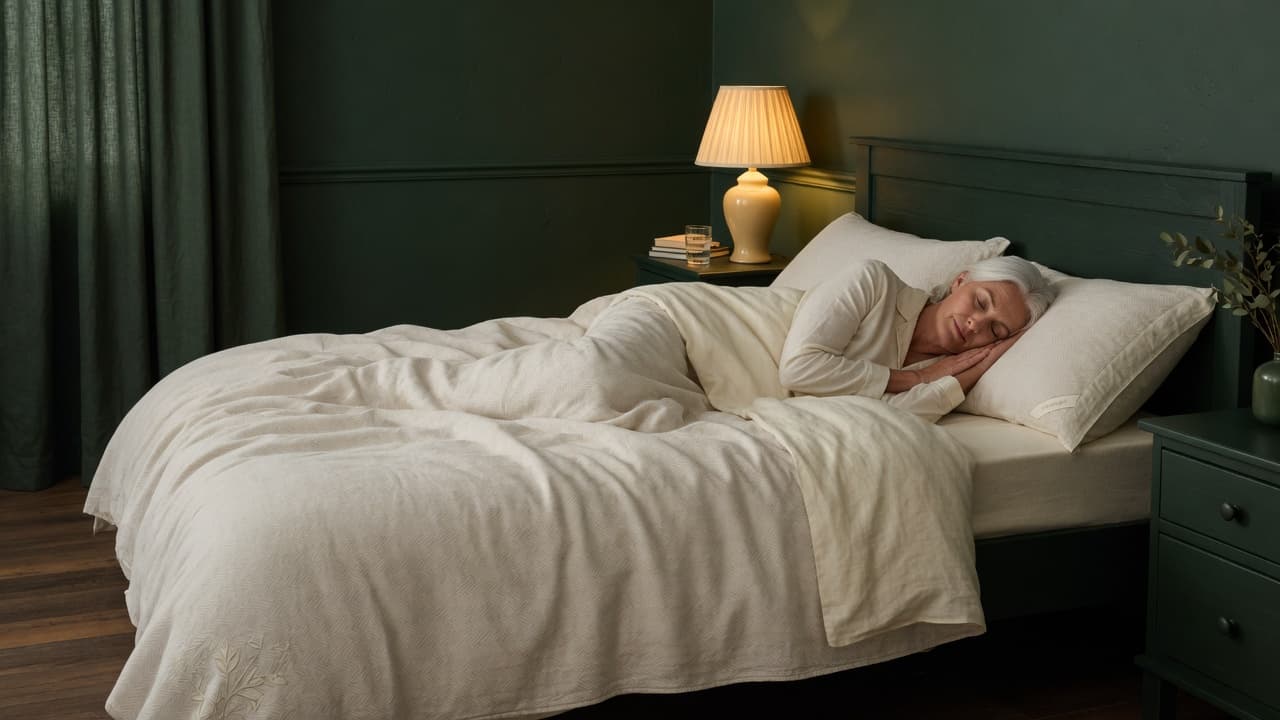
Study. UC Berkeley neuroscientist Omer Sharon and colleagues, directed by Matthew Walker, report in Nature Neuroscience (Sept. 11, 2026) that frontal-cortex tau in cognitively healthy older adults tracks with shorter, less synchronized non-REM slow waves and poorer overnight episodic-memory retention. EEG compared adults in their early 20s with adults in their mid-60s to mid-70s; PET with William Jagust showed tau where traveling slow waves originate. A second cohort’s spinal-fluid tau/amyloid ratios pointed the same way. People did not have clinical Alzheimer’s; memory change was within a normal age range. Association is not proof that tau causes memory loss, and the study does not license a sleep supplement. Educational sleep notes, not a diagnosis.

Read at Medical Xpress →♡ Save

  • Cognitive / dementia research
  • study
  • sleep
  • cognition
  • aging

Medical Xpress · 11 Sept 2026 · Supplements / medicine

Brain aging may be detected decades before symptoms appear, with links to gut health

Study (observational). UCLA Health researchers (Kanhao Zhao, senior author Arpana Church) report in eBioMedicine on nearly 1,500 adults across three groups. A Brain Aging Index from resting brain-network scans that looked older than chronological age tracked with poorer working memory and executive function and more depressive symptoms. In one group, stool profiles (fat molecules, a cholesterol-related compound, lower estetrol) associated with a higher index, pointing to immune, vascular, neuronal, and energy pathways. This is cross-sectional, not a probiotic trial. A commercial gut product for brain age is weakly evidenced. Food-first fiber is educational, not a treatment.

Read at Medical Xpress →♡ Save

  • study
  • gut
  • cognition
  • aging
  • nutrition

News-Medical · 11 Sept 2026 · Supplements / medicine

Finnish study finds working from home increases sedentary behavior

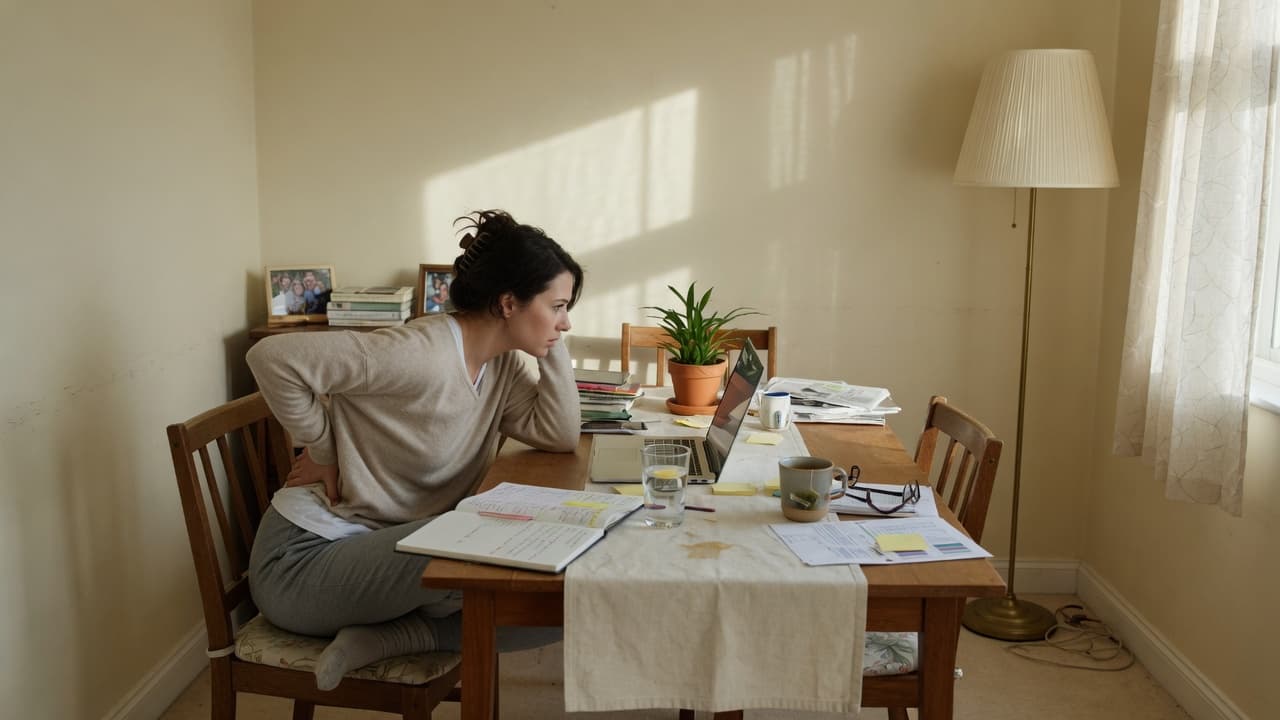
Study (device-measured). University of Turku WORKDAY researchers (Suorsa and colleagues) had 99 hybrid workers wear a thigh accelerometer on office and remote days. Remote days showed about 15 minutes more sleep and 45 minutes more sitting or lying down, with less standing, light activity, and moderate-to-vigorous activity; commute walking and cycling were partly replaced by sitting. Published in the International Journal of Behavioral Nutrition and Physical Activity. Small hybrid-worker sample, not a trial of standing desks. Educational movement notes, not a workplace prescription.

Read at News-Medical →♡ Save

  • study
  • fitness
  • sleep
  • nutrition
  • off-label-context

ScienceDaily · 11 Sept 2026 · Supplements / medicine

Scientists find signs of extreme aging and youth in the same 117-year-old

Study (case multi-omics). Manel Esteller, Eloy Santos-Pujol and colleagues at the Josep Carreras Institute report in Cell Reports Medicine a genomic, proteomic, epigenomic, metabolomic, and microbiome snapshot of Maria Branyas, who lived past 117. Biology showed both extreme-age signals (very short telomeres, aged B cells) and protective features (low inflammation, bifidobacteria-dominant gut, younger epigenetic age, neuro- and cardioprotective genetic traits). One supercentenarian is not a lifestyle protocol. Educational longevity notes, not a supplement plan.

Read at ScienceDaily →♡ Save

  • study
  • longevity
  • aging
  • gut
  • inflammation

ScienceDaily · 11 Sept 2026 · Research

Too much light at night may quietly reshape your heart

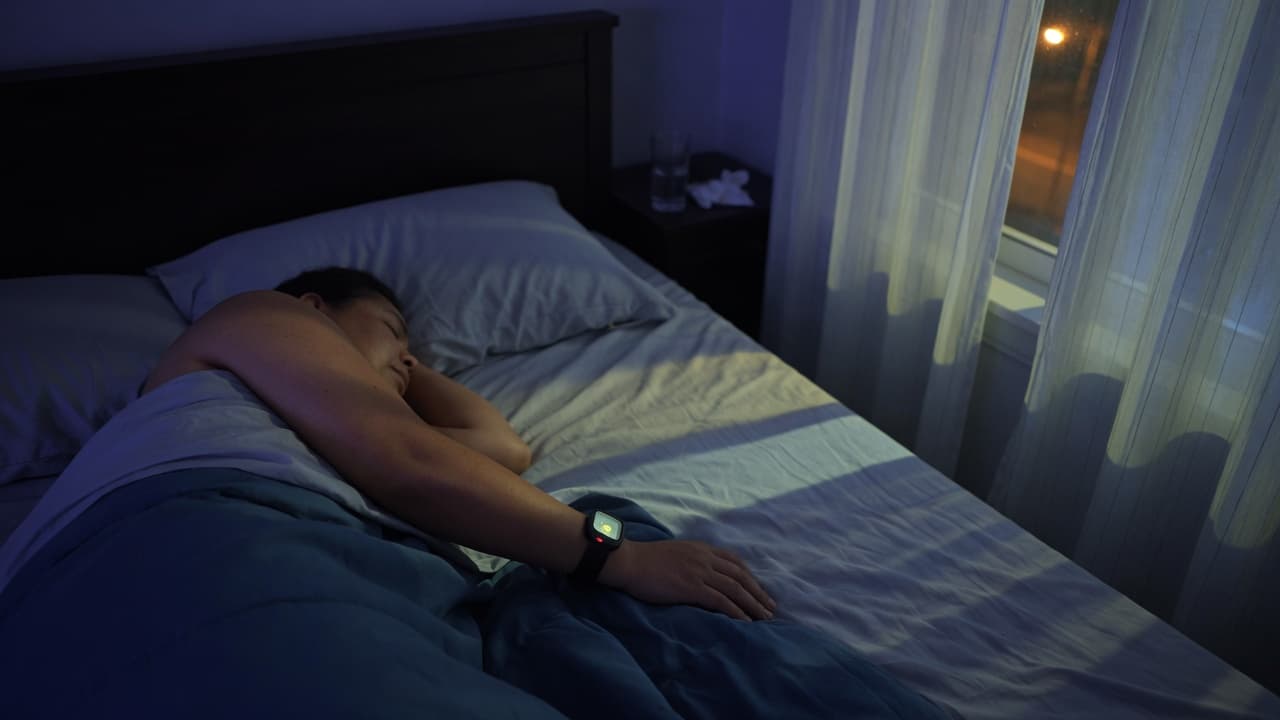
Study (observational). Tulane’s Lu Qi and colleagues, in the European Heart Journal, studied 11,071 UK Biobank adults who wore a wrist light sensor for seven days and later had cardiac MRI. Nighttime light above about 3 lux, versus almost none, was linked to thicker left-ventricular walls, less chamber space, and stiffer pumping — remodeling also seen in other chambers. Association is not proof that blackout curtains prevent heart failure. Educational sleep-environment notes, not medical advice.

Read at ScienceDaily →♡ Save

  • study
  • sleep

News-Medical · 11 Sept 2026 · Research

CGM days with more glucose variability were followed by better next-day quality of life

Study (ecological momentary assessment; conference abstract for EASD Milan). Dominic Ehrmann and colleagues in the German PRO-MENTAL study analysed 400 adults with diabetes using CGM plus daily WHO-5 quality-of-life ratings over 14 days (72% type 1, 28% type 2; 55% female; mean age 47, range 32–63; mean HbA1c 7.6%). Higher glucose variability and more time in 70–140 mg/dL on the previous day each predicted higher next-day quality of life; time above 180 or below 70 mg/dL did not. Same-day glucose metrics were not associated with same-day quality of life. Sleep quality and energy the day before also predicted next-day scores. This is not dosing advice and not a reason to loosen or tighten glucose targets without an endocrinologist. Educational CGM notes, not medical advice.

Read at News-Medical →♡ Save

  • study
  • sleep

Drug Topics · 10 Sept 2026 · Supplements / medicine

Model finds weight regain after stopping semaglutide or tirzepatide

Study (meta-analysis). Kow, Thiruchelvam and colleagues, writing in Endocrinology, Diabetes & Metabolism, used a Bayesian longitudinal model of reconstructed aggregate data after people stopped the GLP-1 medicines semaglutide or tirzepatide. Patients were estimated to regain about half of treatment-associated weight loss within roughly 7.5 months. Unadjusted regain looked slightly faster for tirzepatide than semaglutide; after adjustment there was no clear drug-specific difference. This is not a reason to start, stop, or replace a prescribed GLP-1 drug. Off-label longevity use is clinician-only. Not medical advice. Educational supplement parallel (not a replacement): When headlines discuss GLP-1 medicines and aging, people often research food-first fiber or bitter-botanical “pathway support” formulas. Those are not semaglutide, not compounded GLP-1, and not a substitute for a prescribed GLP-1 drug. Mouse or marketing claims are hype until human outcome data exist. Weakly evidenced. Store: /store/glp1-pathway-support. Not medical advice. Not a substitute for a prescribed medicine. Off-label prescription use is clinician-only. VitaLonga does not diagnose, treat, or cure disease. Never start, stop, or replace a prescription with a supplement on the basis of a headline.

Read at Drug Topics →♡ Save

  • Metabolic / glucose
  • study
  • longevity
  • research
  • glp1
  • off-label-context
  • aging
  • nutrition

VitaLonga is an educational longevity resource, not a pharmacy, clinic, or doctor. Content is not medical advice and is not intended to diagnose, treat, cure, or prevent any disease (DSHEA). Supplements can interact with medications and are not appropriate in every pregnancy or health condition. Consult a licensed clinician, especially if you take medications, are pregnant or nursing, or have a diagnosed condition.