VitaLonga

Desk

News archive

Every story stays here. Filter by topic, search older headlines, and save favorites to your member record. Educational notes only — not medical advice.

Saved (sign in)

465 stories

ScienceDaily · 15 Sept 2026 · Supplements / medicine

Four weeks of shifting fat or animal protein changed aging biomarkers in adults 65–75

Study (randomized feeding trial). Caitlin Andrews, Alistair Senior and University of Sydney colleagues report in Aging Cell (doi 10.1111/acel.70507) on 104 Australians aged 65–75 assigned to four diets that all provided 14% of energy from protein (omnivorous vs semi-vegetarian × higher-fat vs higher-carbohydrate). A 20-biomarker score (including cholesterol, insulin, and C-reactive protein) looked younger after four weeks in three arms; the omnivorous high-carbohydrate pattern (about 53% carbohydrate, 28–29% fat) had the strongest signal. The omnivorous high-fat arm, closest to usual intake, did not change. Short trial; clock change is not proof of fewer diseases. Educational nutrition notes, not a diet prescription.

Read at ScienceDaily →♡ Save

  • 60+
  • Metabolic / glucose
  • study
  • aging
  • nutrition
  • off-label-context

Cell Reports Medicine · 15 Sept 2026 · Supplements / medicine

Sprint-interval plasma carried a stronger cardiometabolic protein signal than moderate work

Study (human acute-exercise). A Cell Reports Medicine paper reports that sprint-interval exercise (a few minutes of hard work) changed circulating proteins and interorgan signals more toward cardiometabolic-protective profiles than matched moderate-intensity exercise, including in media-swap tests on human adipocytes. Acute secretome, not a long-term outcomes trial. Educational exercise notes, not a sprint prescription for disease.

Read at Cell Reports Medicine →♡ Save

  • Cardiovascular / lipids
  • Metabolic / glucose
  • study
  • fitness
  • off-label-context

DZNE / EurekAlert · 15 Sept 2026 · Nutrition

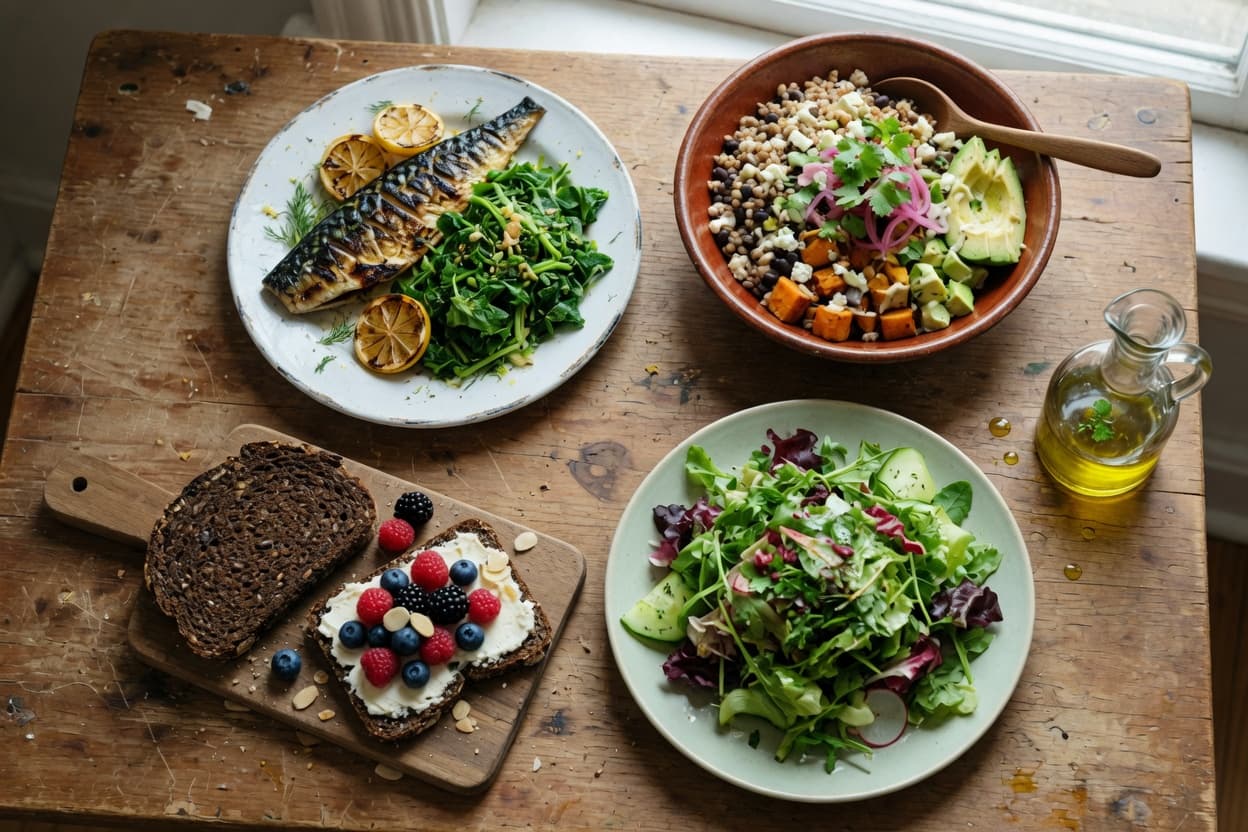
Ten different healthy eating patterns tracked slower biological aging

Study (observational). Juliana Tavares, Monique Breteler, and colleagues report in Nature Communications (doi 10.1038/s41467-026-77064-4; paper 29 August 2026; EurekAlert 15 September 2026). Blood and diet records came from about 7,500 women and men: 6,470 in the Rhineland Study in Bonn, where the pattern was first seen, and 1,034 in EPIC-Potsdam, where the main results were checked again. Three epigenetic clocks read DNA methylation at about 850,000 sites. Each person was scored against ten healthy patterns, including Mediterranean, Nordic, plant-based, DASH, and MIND. People who scored well on one pattern often scored poorly on another, and almost nobody looked like a healthy eater on every scale at once. Higher diet quality still lined up with slower biological aging on all ten patterns. Differences between patterns were modest. More than 70 percent of the affected biological pathways were shared, covering cell structure, cell signaling, and metabolism. Heart-related pathways were particular to DASH, and cognition and memory pathways were particular to MIND. The diet link was strongest in smokers, who were not eating better than non-smokers; one reading is that smokers had more ground to regain. This is an association in two cohorts, not a feeding trial and not proof that one named diet prevents dementia or cardiovascular disease. Educational nutrition notes.

Read at DZNE / EurekAlert →♡ Save

  • Cardiovascular / lipids
  • Cognitive / dementia research
  • study
  • cognition
  • aging

ScienceDaily · 14 Sept 2026 · Supplements / medicine

Cancer is rising in younger adults. Faster biological aging may help explain why

Study (observational). WashU Medicine’s Yin Cao, Ruiyi Tian and colleagues report in Nature Medicine that among more than 154,000 UK Biobank young adults and more than 10,000 U.S. All of Us participants, more recent birth cohorts looked biologically older at the same chronological age. U.S. adults born 1990–1999 had systemic aging 92% of one SD higher than those born 1965–1969; UK 1965–1974 vs 1950–1954 was 23% of one SD. Greater systemic aging tracked an 8% higher risk of early-onset solid cancers (diagnosed at 55 or younger); the top tertile had 15% higher risk after genetic adjustment. Organ-specific clocks linked immune aging to lung cancer and adipose aging to colorectal cancer. Association is not a screening protocol. Educational aging notes, not a diagnosis.

Read at ScienceDaily →♡ Save

  • study
  • aging

ScienceDaily · 14 Sept 2026 · Nutrition

Hidden brain wiring may help keep the mind sharp as gray matter shrinks

Study (cross-sectional imaging). Yingxu Liu, Leon Aksman and colleagues at USC’s Stevens INI report in Alzheimer’s & Dementia on 459 community-dwelling adults aged 60+ in India’s LASI-DAD cohort. Healthier superficial white-matter (short fibers under cortex) tracked better language scores and appeared to weaken the link between gray-matter loss and poorer cognition. Gray-matter atrophy remained the stronger overall predictor. One time-point cannot say which change comes first. Educational brain-aging notes, not a dementia diagnosis.

Read at ScienceDaily →♡ Save

  • Cognitive / dementia research
  • study
  • cognition
  • aging

ScienceDaily · 14 Sept 2026 · Supplements / medicine

Low vitamin D linked to more pain after breast cancer surgery

Study (observational). Abdelhady and colleagues at Fayoum University Hospital followed 184 women having unilateral modified radical mastectomy (mean ages about 42–44). Those with vitamin D below 30 nmol/L were three times more likely to report moderate-to-severe pain in the first 24 hours and used more tramadol (about 112 mg) than the sufficient group; intraoperative fentanyl was only modestly higher. No one scored severe pain (≥7/10). Single-center, not a supplementation trial, and not proof that vitamin D causes pain. Educational notes, not a prescription to start vitamin D before surgery.

Read at ScienceDaily →♡ Save

  • study
  • women
  • off-label-context

EurekAlert · 14 Sept 2026 · Supplements / medicine

Isocaloric 10-hour eating did not beat a 16-hour pattern for weight in a small feeding trial

Study (randomized isocaloric feeding trial). Daisy Duan and Johns Hopkins colleagues report in Obesity (TRIM; doi 10.1002/oby.70270) on 39 adults with obesity and prediabetes or diet-controlled type 2 diabetes (mean age 60; 92% women; 92% Black; mean BMI 35.2). A 10-hour time-restricted window versus a 16-hour usual eating pattern for 12 weeks, with matched calories, produced similar modest weight loss (median 2.7% vs 2.5%). Inflammatory markers and hunger biology did not clearly favor TRE. Small, mostly older women; not a reason to start, stop, or replace diabetes medicine. Educational metabolic notes, not medical advice.

Read at EurekAlert →♡ Save

  • study women inflammation nutrition
  • inflammation
  • nutrition
  • study

EurekAlert · 14 Sept 2026 · Supplements / medicine

A frontal-cortex microprotein atlas found 1,067 uncharacterized proteins in Alzheimer’s brains

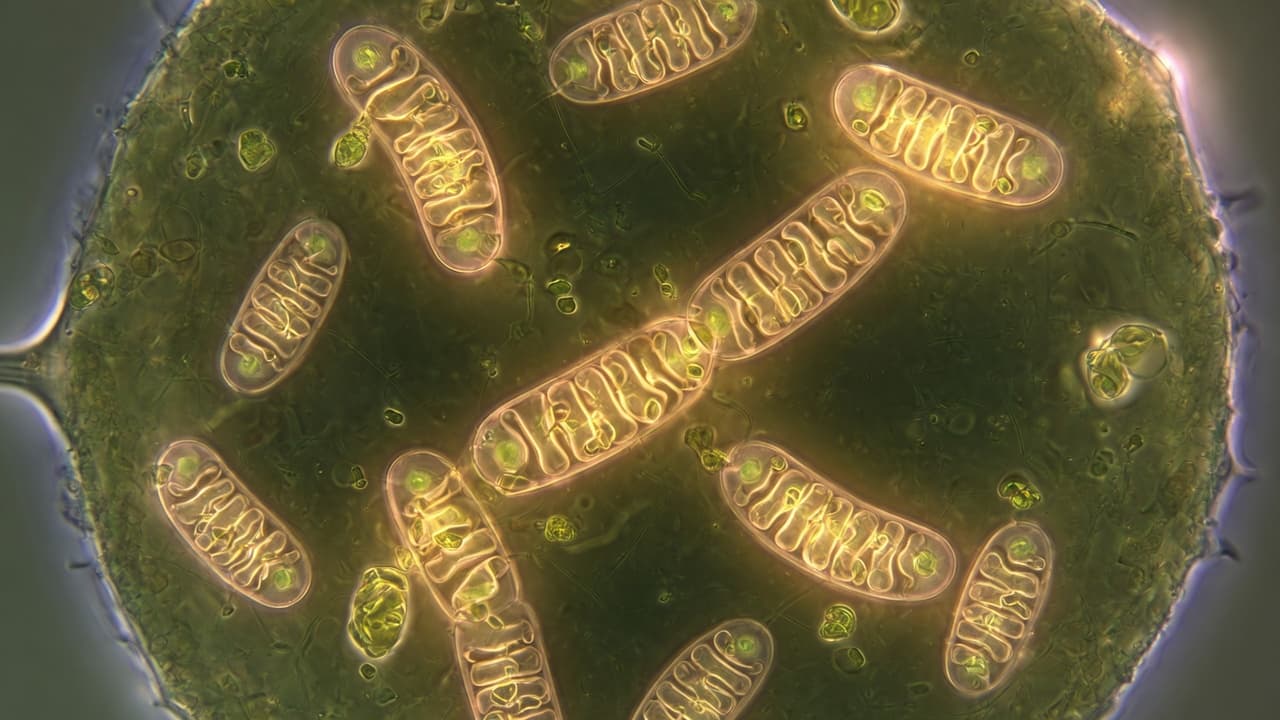
Study (human tissue atlas). Brendan Miller, Alan Saghatelian and Salk colleagues report in Nature Aging (doi 10.1038/s43587-026-01207-x) on 480 ROSMAP frontal-cortex samples with and without Alzheimer’s disease. Using ShortStop plus mass spectrometry they identified 1,067 previously uncharacterized microproteins; hundreds differed in Alzheimer’s tissue. In microglia, knocking out one microprotein-coding gene impaired mitochondria, suggesting a possible immune-cell energy link. Atlas work, not a treatment. Educational research notes, not a diagnosis or a supplement claim.

Read at EurekAlert →♡ Save

  • 60+
  • Cognitive / dementia research
  • study
  • cognition
  • aging

Journal of Prevention of Alzheimer's Disease · 14 Sept 2026 · Supplements / medicine

Obicetrapib slowed the rise of p-tau217 in a BROADWAY substudy, most in APOE4/E4

Study (prespecified biomarker substudy of a phase 3 CVD trial). Michael Davidson, Philip Scheltens and colleagues report in the Journal of Prevention of Alzheimer's Disease on 1,535 BROADWAY participants with APOE status and 12-month plasma p-tau217. Obicetrapib 10 mg attenuated p-tau217 rise versus placebo (adjusted mean 2.09% vs 4.94%; P=0.025). In APOE4/E4, p-tau217 fell 7.81% versus a 12.67% rise on placebo (20.48% difference; P=0.010). Biomarker shift, not a dementia diagnosis or prevention trial. Discussed on Peter Attia Drive #407 (14 September 2026) with Davidson; farmed from the primary paper. Prescription CETP inhibitor — clinician-only; not a supplement. Educational research notes, not medical advice.

Read at Journal of Prevention of Alzheimer's Disease →♡ Save

  • 60+
  • Cardiovascular / lipids
  • Cognitive / dementia research
  • study
  • cognition
  • off-label-context

ScienceDirect · 14 Sept 2026 · Nutrition

A Longo review maps how fasting remakes the epigenome — Sinclair flagged it as “ITOA”

Commentary (review). Valter Longo and colleagues, in Mechanisms of Ageing and Development, synthesize how fasting activates AMPK and sirtuins, shifting histone marks, DNA methylation, and non-coding RNAs toward autophagy and cellular maintenance. David Sinclair posted the paper on 14 September 2026 (“Fasting meets ITOA”). Review of animal and cell work, not a human outcome trial. Educational aging notes, not a fast-for-lifespan protocol. Sinclair-adjacent; farmed from the underlying review.

Read at ScienceDirect →♡ Save

  • commentary
  • aging
  • longevity
  • study

ScienceDaily · 13 Sept 2026 · Supplements / medicine

Most men don’t know dairy is linked to prostate cancer risk

Survey plus prior observational literature. A Morning Consult poll of 1,102 U.S. men for the Physicians Committee for Responsible Medicine found only 20% knew dairy had been associated with higher prostate-cancer risk in earlier studies, while 66% said they would consider avoiding dairy after hearing that claim; only 20% recalled nutrition advice from a clinician. Cited observational work includes a 32-study meta-analysis and cohorts linking higher milk or low-fat dairy intake with higher incidence. Association is not proof that dropping dairy prevents cancer. Advocacy-funded survey. Educational diet notes, not a prescription to eliminate dairy.

Read at ScienceDaily →♡ Save

  • survey
  • men
  • commentary
  • study
  • nutrition
  • off-label-context

ScienceDaily · 13 Sept 2026 · Aging

Scientists find how “zombie” cells fuel inflammation as we age

Study (mice and cells). Peter Adams, João Passos, Hélène Martini and colleagues report in Nature that senescent cells raise mitochondrial acetyl-CoA, loosening DNA packaging around SASP inflammatory genes, while leaky mitochondrial DNA/RNA supplies the immune signal to switch those genes on. Blocking acetyl-CoA transport with CTPI-2 reduced inflammation and improved healthspan in aging mice even though the leak signals remained. Mouse work is not a human senolytic protocol. Educational cell-aging notes, not medical advice.

Read at ScienceDaily →♡ Save

  • study
  • inflammation
  • longevity

VitaLonga is an educational longevity resource, not a pharmacy, clinic, or doctor. Content is not medical advice and is not intended to diagnose, treat, cure, or prevent any disease (DSHEA). Supplements can interact with medications and are not appropriate in every pregnancy or health condition. Consult a licensed clinician, especially if you take medications, are pregnant or nursing, or have a diagnosed condition.