VitaLonga

Desk

News archive

Every story stays here. Filter by topic, search older headlines, and save favorites to your member record. Educational notes only — not medical advice.

Saved (sign in)

245 stories in this category

University of Kentucky / Alzheimer's & Dementia · 20 Oct 2026 · Supplements / medicine

In Alzheimer's-model mice, removing most microglia restored more than two hours of sleep without clearing plaques

Study (mice). Shannon L. Macauley, Nicholas J. Constantino, and colleagues at the University of Kentucky report in Alzheimer's & Dementia (2026; 22(6); DOI 10.1002/alz.71579). ScienceDaily ran it on 19 Oct 2026. Mice prone to amyloid plaques were compared with ordinary mice at 6 months, when plaques first appeared, and at 18 months. Sleep recordings used EEG and EMG. Plaque-related sleep loss showed up early and did not get worse by 18 months even though plaque more than doubled. Ordinary aging mainly cut REM sleep. The Alzheimer's model mainly cut NREM, the deeper restorative stage. After 14 days of the research compound Pexidartinib (PLX3397) in food, about 87 percent of microglia were gone and the plaque mice gained more than two hours of sleep a day, with longer NREM, while plaques stayed. Clearing immune cells is not a therapy for people. The lab is also looking at whether metformin or the seizure compound stiripentol might calm microglia by changing how those cells use energy. Those ideas are experimental. Do not start, stop, or change a clinician-directed regimen because of this mouse study. Not medical advice. Not a substitute for a prescribed medicine. Off-label use is clinician-only. Educational supplement parallel (not a replacement): When longevity headlines discuss metformin, people often also research berberine. That is an off-label / curiosity parallel, not a recommendation to take berberine instead of metformin. Human longevity outcome data for both are limited; disease-use of metformin is clinician-prescribed. Weakly evidenced as an anti-aging product. Store: /store/berberine. Not medical advice. Not a substitute for a prescribed medicine. Off-label prescription use is clinician-only. VitaLonga does not diagnose, treat, or cure disease. Never start, stop, or replace a prescription with a supplement on the basis of a headline.

Read at University of Kentucky / Alzheimer's & Dementia →Our summary♡ Save

  • Cognitive / dementia research
  • Nutrition
  • Medicine
  • Aging
  • sleep
  • cognition
  • animal
  • aging
  • study
  • metformin
  • off-label-context

ScienceDaily · 20 Oct 2026 · Supplements / medicine

Scientists discover a surprising link between vitamin C and cancer survival

A surprising clinical trial suggests that taking vitamin C daily could improve survival in people with precancerous blood disorders and early-stage blood cancers. Patients receiving the supplement had fewer adverse events and showed a promising survival advantage, raising hopes that a common vitamin could help protect against leukemia-related complications.

Read at ScienceDaily →Our summary♡ Save

  • Cancer
  • Supplements
  • news
  • study

Mount Sinai / Nature Communications · 19 Oct 2026 · Supplements / medicine

In older mice, restoring the youth-linked factor TIMP2 helped brain immune cells clear debris

Study (mice). Brittany M. Hemmer, Joseph M. Castellano, and colleagues at the Icahn School of Medicine at Mount Sinai report in Nature Communications (2026; 17(1); DOI 10.1038/s41467-026-74906-z). ScienceDaily ran it on 17 Oct 2026. TIMP2 is a youth-linked factor. Mice missing it, in the whole body or in microglia or neurons, grew microglial features tied to aging and injury: weaker debris cleanup, shifted activation markers, and senescence-linked signatures. Fluid around brain cells carried more inflammatory and stress-related signals. Injections that put TIMP2 back into the circulation of older mice improved debris clearance and lowered inflammatory markers in microglia. The authors tie the work to brain aging and Alzheimer research. It is not a human treatment. Not medical advice.

Read at Mount Sinai / Nature Communications →Our summary♡ Save

  • Cognitive / dementia research
  • Medicine
  • Aging
  • microglia
  • aging
  • mice
  • cognition
  • inflammation
  • study

University of Edinburgh / Nature Medicine · 19 Oct 2026 · Supplements / medicine

In the Lothian Birth Cohort 1936, faster cognitive decline lined up with abnormal myelin and lower NRF2 in support cells

Study (human brain tissue and mice). Georgina A. Craig, Véronique E. Miron, and colleagues at the University of Edinburgh and the UK Dementia Research Institute report in Nature Medicine (2026; 32(10):3661; DOI 10.1038/s41591-026-04608-y). ScienceDaily ran it on 17 Oct 2026. The Lothian Birth Cohort 1936 enrolled 1,091 people. Of them, 866 completed extra cognitive testing after age 70, covering memory, processing speed, and spatial understanding between ages 70 and 82. Nearly everyone declined, at different rates. In tissue after death, people with a steeper decline had fewer large nerve fibers and an abnormal buildup of unhealthy myelin, especially around the large fibers that remained. The pattern tracked the pace of decline, not a single test score. Those brains also had less NRF2 inside oligodendrocytes, the cells that make myelin. Mice with NRF2 lowered only in those cells grew excess myelin, lost large fibers, and showed smaller cognitive gains with age. A pathway already targeted in multiple sclerosis is a research lead, not a reason to use that treatment for ordinary aging. Not medical advice. Not a substitute for a prescribed medicine. Off-label use is clinician-only.

Read at University of Edinburgh / Nature Medicine →Our summary♡ Save

  • 60+
  • Cognitive / dementia research
  • Nutrition
  • Medicine
  • Aging
  • myelin
  • cognition
  • cohort
  • aging
  • nutrition
  • study
  • off-label-context

Fujita Health University / Neurochemistry International · 19 Oct 2026 · Supplements / medicine

In mice on a high-salt diet, a soy phospholipid fraction lowered blood pressure and improved object memory

Study (mice). Hisayoshi Kubota, Akihiro Mouri, and colleagues at Fujita Health University, with Kazuhiro Kagotani of Tsuji Oil Mills, report in Neurochemistry International (2026; 197:106184; DOI 10.1016/j.neuint.2026.106184; online 14 May 2026). ScienceDaily ran it on 18 Oct 2026. Mice on a high-salt diet had higher blood pressure, less social interaction, and worse object-recognition memory, without a clear change in general movement or anxiety-like behavior. Adding LPC70, a soy lysolecithin in which lysophosphatidylcholine is more than 70 percent of the phospholipids, improved blood pressure, social interaction, and object memory. In kidney, the salt diet raised COX-2 and the PGE2 receptor EP3, and LPC70 reduced those rises. In prefrontal cortex, salt lowered the PGD2 receptor DP1, and LPC70 restored it without changing DP2. Tsuji Oil Mills funded the work and employs a coauthor. This is not a human trial and not a reason to start a supplement. Not medical advice. Not a substitute for a prescribed medicine.

Read at Fujita Health University / Neurochemistry International →Our summary♡ Save

  • Cardiovascular / lipids
  • Cognitive / dementia research
  • Nutrition
  • Supplements
  • Medicine
  • soy
  • blood-pressure
  • mice
  • cognition
  • nutrition
  • study

University of Cambridge / Molecular Systems Biology · 19 Oct 2026 · Supplements / medicine

In lab dishes, about three-quarters of 39 sweeteners changed the growth of at least one gut bacterium

Study (laboratory bacteria, not a human trial). Sonja Blasche, Kiran Raosaheb Patil, and colleagues at the MRC Toxicology Unit, University of Cambridge, report in Molecular Systems Biology (2026; 22(9):1453; DOI 10.1038/s44320-026-00225-6). ScienceDaily ran it on 17 Oct 2026. They grew 25 gut bacterial species and exposed them to 39 low-calorie sweeteners. About three in four sweeteners changed the growth of at least one species, sometimes slowing or stopping it. Pairing sweeteners with caffeine, vanillin, advantame, or eight common pharmaceuticals produced more than 100 cases where the effect changed: 34 stronger, 68 weaker. Isosteviol plus the antidepressant duloxetine strongly slowed Roseburia intestinalis and Parabacteroides merdae, species tied to gut health and blood sugar regulation, and it lowered diversity in a 25-species community. The authors note more than 4.2 million U.S. patients were prescribed duloxetine in 2023. These are dishes and a model community, not people. Do not start, stop, or change a prescribed antidepressant because of this headline. Not medical advice. Not a substitute for a prescribed medicine. Off-label use is clinician-only.

Read at University of Cambridge / Molecular Systems Biology →Our summary♡ Save

  • Metabolic / glucose
  • Nutrition
  • Medicine
  • sweetener
  • microbiome
  • lab
  • gut
  • nutrition
  • study
  • off-label-context

The American Journal of Medicine · 19 Oct 2026 · Supplements / medicine

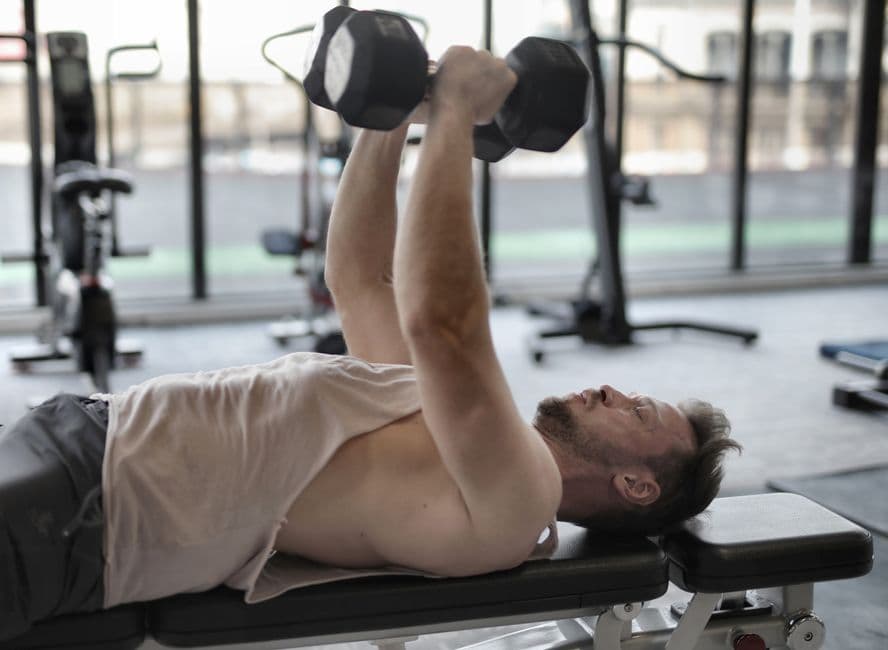
In 49 men ages 60 to 82, four years of weekly resistance work raised upper- and lower-body strength

Study (longitudinal, self-selected training). Peter Herbert, Nicholas F. Sculthorpe, Nilihan E.M. Sanal-Hayes, and Lawrence D. Hayes report in The American Journal of Medicine (2026; 139(7):931; DOI 10.1016/j.amjmed.2026.02.032). A public account of the paper, carried in a 14 Oct 2026 ScienceDaily brief, says 49 men ages 60 to 82 who had not done structured training were followed for four years. Men who did weekly multi-joint resistance work improved upper- and lower-body strength. Men who added aerobic work also improved aerobic fitness. The programs were chosen by the participants, and the group is small. This is not a training plan for someone who needs a clinician's clearance. Not medical advice.

Read at The American Journal of Medicine →Our summary♡ Save

  • Men
  • 60+
  • Exercise
  • Medicine
  • strength
  • resistance
  • older-men
  • fitness
  • study

Frontiers in Aging · 19 Oct 2026 · Supplements / medicine

Correction: Bone mineral density and turnover response to GLP-1 receptor agonists in older adults with overweight/obesity and prediabetes/type 2 diabetes: a 20-week pilot trial post hoc analysis

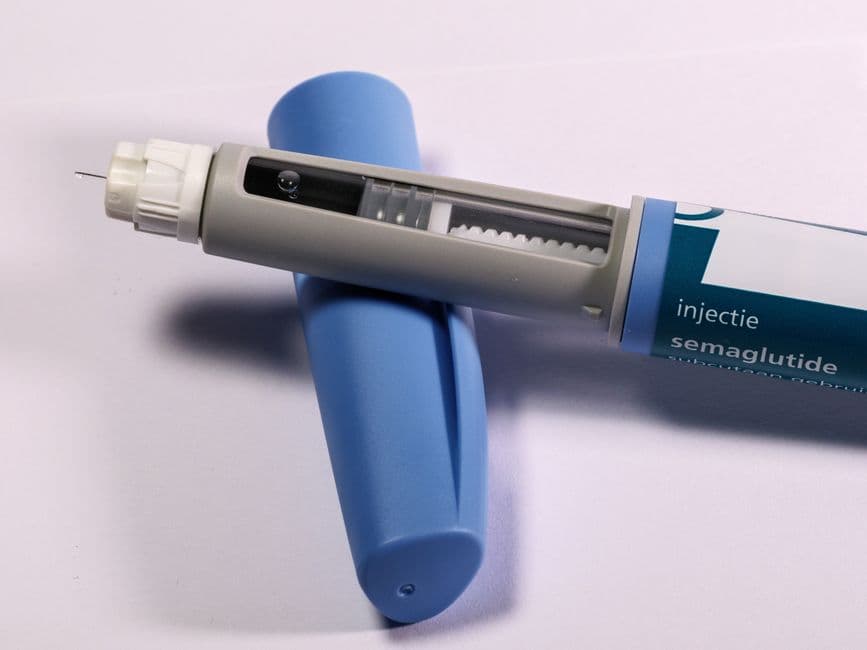
Correction: Bone mineral density and turnover response to GLP-1 receptor agonists in older adults with overweight/obesity and prediabetes/type 2 diabetes: a 20-week pilot trial post hoc analysis Educational supplement parallel (not a replacement): When headlines discuss GLP-1 medicines and aging, people often research food-first fiber or bitter-botanical “pathway support” formulas. Those are not semaglutide, not compounded GLP-1, and not a substitute for a prescribed GLP-1 drug. Mouse or marketing claims are hype until human outcome data exist. Weakly evidenced. Store: /store/glp1-pathway-support. Not medical advice. Not a substitute for a prescribed medicine. Off-label prescription use is clinician-only. VitaLonga does not diagnose, treat, or cure disease. Never start, stop, or replace a prescription with a supplement on the basis of a headline.

Read at Frontiers in Aging →Our summary♡ Save

  • 60+
  • Metabolic / glucose
  • Nutrition
  • Supplements
  • Medicine
  • Aging
  • correction
  • metabolic
  • aging
  • glp1
  • off-label-context
  • nutrition
  • study

ScienceDaily · 18 Oct 2026 · Supplements / medicine

Scientists discover a natural compound that could protect the brain from too much salt

Eating too much salt may do more than raise blood pressure. It could also harm memory and social behavior. In a new study, Japanese researchers discovered that a soy-derived compound called LPC70 helped protect mice from several damaging effects of a high-salt diet. Mice given the supplement had lower blood pressure, better memory, and improved social interactions compared with mice consuming excess salt alone.

Read at ScienceDaily →Our summary♡ Save

  • Cardiovascular / lipids
  • Cognitive / dementia research
  • Nutrition
  • Supplements
  • cognition
  • nutrition
  • study

Kyoto University / Diabetes · 18 Oct 2026 · Supplements / medicine

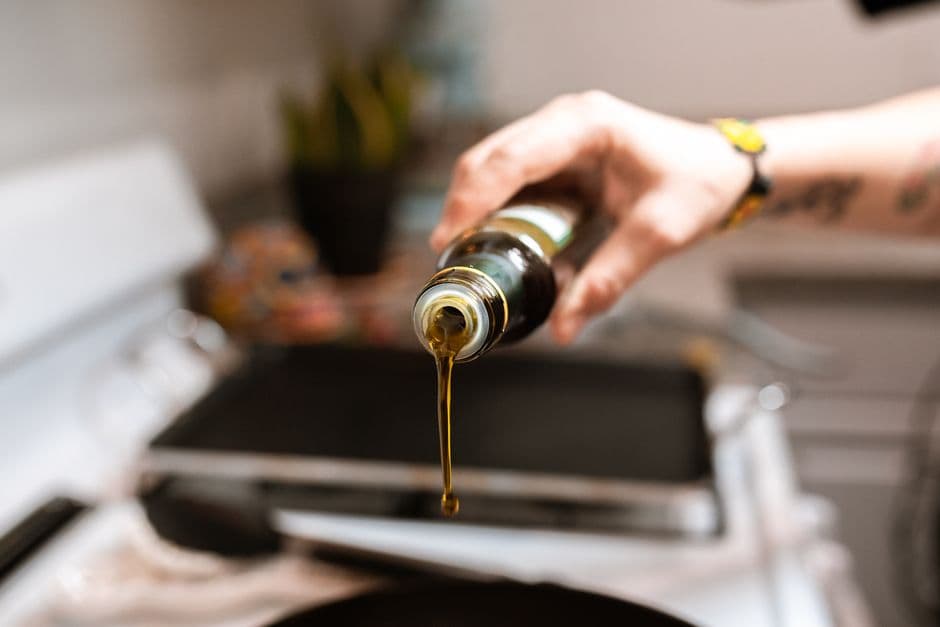
In mice, olive oil before glucose slowed stomach emptying and blunted the blood-sugar rise

Study (mice). Yanyan Liu, Daisuke Yabe, and colleagues at Kyoto University report in Diabetes (2026; DOI 10.2337/db26-0531). After an overnight fast, mice received water then glucose, olive oil then glucose 15 minutes later, or glucose then olive oil. Oil first produced a smaller early glucose rise, slower gastric emptying, and an early rise in glucagon, GIP, and GLP-1. The pattern still appeared in mice with type 2 diabetes and severe insulin deficiency. Blocking glucagon or GLP-1 alone did not remove the effect; blocking both reduced it. Cutting the vagus nerves below the diaphragm also changed the response. GLP-1 here is a hormone the animals already release, not a drug result, and not a reason to start, stop, or swap a medicine. The experiment is in mice. Not medical advice. Not a substitute for a prescribed medicine. Off-label use of GLP-1 receptor agonists is clinician-only. Educational supplement parallel (not a replacement): When headlines discuss GLP-1 medicines and aging, people often research food-first fiber or bitter-botanical “pathway support” formulas. Those are not semaglutide, not compounded GLP-1, and not a substitute for a prescribed GLP-1 drug. Mouse or marketing claims are hype until human outcome data exist. Weakly evidenced. Store: /store/glp1-pathway-support. Not medical advice. Not a substitute for a prescribed medicine. Off-label prescription use is clinician-only. VitaLonga does not diagnose, treat, or cure disease. Never start, stop, or replace a prescription with a supplement on the basis of a headline.

Read at Kyoto University / Diabetes →Our summary♡ Save

  • Metabolic / glucose
  • Nutrition
  • Medicine
  • meal-order
  • glucose
  • mice
  • study
  • glp1
  • off-label-context

International Journal of Medical Sciences · 18 Oct 2026 · Supplements / medicine

Across 14 trials and 763 women, adding protein, amino acids, or creatine to exercise did not clearly increase muscle mass

Study (systematic review and meta-analysis). A review in the International Journal of Medical Sciences (16 Apr 2026; 23(6):1933–1951; DOI 10.7150/ijms.130435) pooled 14 trials and 763 women across reproductive stages. Five trials used whole-protein supplements, six used amino acids, and three used creatine monohydrate. Together, the supplements plus exercise did not show a clear effect on skeletal muscle mass (Hedges g 0.065), appendicular lean mass (g 0.197), or fat-free mass (g 0.069). Adverse events did not rise. The authors report selective upper-body strength improvements, particularly in the creatine trials, and say exercise alone had the reliable musculoskeletal benefit. The products were mixed, so this is not a verdict on one supplement. It is a different question from the postmenopausal creatine review in this same farm, which found a small lean-mass difference at 5 grams a day or more with resistance training. Not medical advice. Not a substitute for a prescribed medicine.

Read at International Journal of Medical Sciences →Our summary♡ Save

  • Women
  • Under 40
  • 40–59
  • Exercise
  • Supplements
  • Medicine
  • creatine
  • protein
  • review
  • fitness
  • study

University of the Sunshine Coast / Maturitas · 18 Oct 2026 · Supplements / medicine

In healthy adults averaging age 72, six months of intervals kept lean tissue while easier workouts did not

Study (exercise comparison). Grace Rose and colleagues at the University of the Sunshine Coast report in Maturitas (2025; 203:108763; DOI 10.1016/j.maturitas.2025.108763). Coverage of the same paper describes more than 120 healthy older adults, average age 72 and average body mass index 26, who trained in a gym three times a week for six months at high, moderate, or low intensity. All three intensities led to some fat loss. Only the high-intensity interval arm kept lean muscle; the easier arms showed a small loss of lean tissue. The public summary does not give a kilogram figure for that lean-tissue gap. This is one program in healthy older adults, not a prescription for people with heart disease or frailty. Not medical advice.

Read at University of the Sunshine Coast / Maturitas →Our summary♡ Save

  • 60+
  • Cardiovascular / lipids
  • Exercise
  • Medicine
  • Aging
  • hiit
  • muscle
  • older-adults
  • aging
  • fitness
  • study
  • off-label-context

VitaLonga is an educational longevity resource, not a pharmacy, clinic, or doctor. Content is not medical advice and is not intended to diagnose, treat, cure, or prevent any disease (DSHEA). Supplements can interact with medications and are not appropriate in every pregnancy or health condition. Consult a licensed clinician, especially if you take medications, are pregnant or nursing, or have a diagnosed condition.