VitaLonga

Desk

News archive

Every story stays here. Filter by topic, search older headlines, and save favorites to your member record. Educational notes only — not medical advice.

Saved (sign in)

245 stories in this category

ScienceDaily · 16 Sept 2026 · Supplements / medicine

cGAS “false alarm” to leaked DNA fragments drove tissue decline in rapid-aging models

Study (preclinical). Marva Bergman, Itamar Harel and colleagues at the Hebrew University of Jerusalem, with USC’s Bérénice Benayoun, report that in severe DNA-repair disorders, fragments leaking into the wrong cellular compartment can trip the immune sensor cGAS as if a virus were present, feeding chronic inflammation and interfering with DNA repair. Lowering cGAS activity improved neuroinflammation, tissue degeneration, and reproductive capacity in the models. This is animal/cellular work on rare rapid-aging syndromes, not a human supplement or drug protocol. Educational aging-biology notes, not a diagnosis.

Read at ScienceDaily →Our summary♡ Save

  • Supplements
  • Medicine
  • Aging
  • study aging inflammation
  • aging
  • inflammation
  • study

News-Medical · 16 Sept 2026 · Supplements / medicine

Structured exercise in cancer care associated with longer survival in a 21-trial synthesis

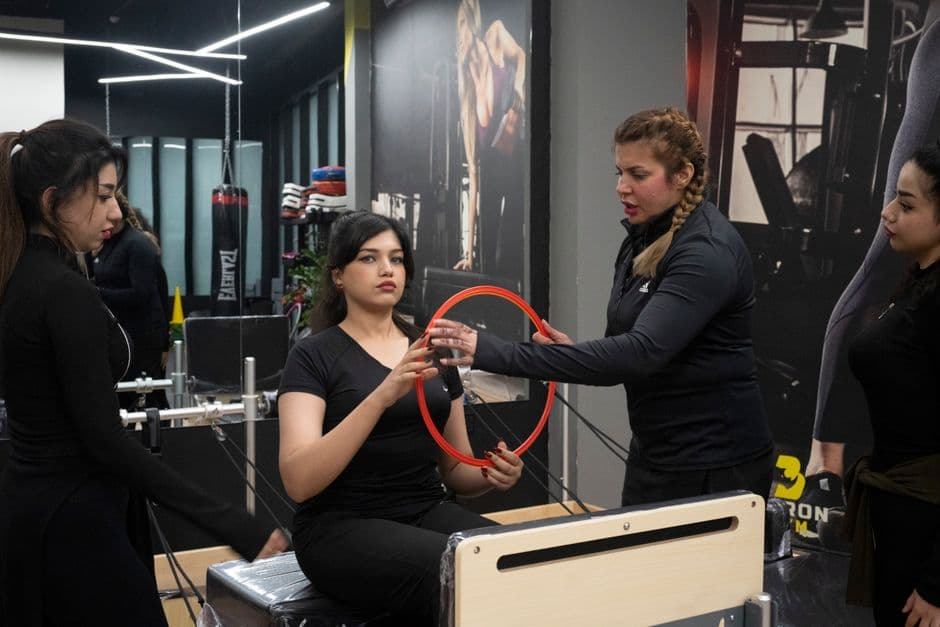
Study (systematic review and meta-analysis of RCTs). Tzang and colleagues report in the British Journal of Sports Medicine (doi 10.1136/bjsports-2026-111664) on 21 trials, 8,449 adults (88% women; mean age 54, range 47–76), mostly breast cancer plus bowel and pancreas, followed a mean 64 months. Structured exercise as part of care was associated with 23% lower all-cause death and 17% lower recurrence-before-death versus no such program; cancer-specific death was 26% lower. Signals were stronger for aerobic or aerobic-plus-strength and for ≥70% adherence; strength-only data were too thin. Predominance of breast-cancer trials; not a substitute for oncology treatment. Educational exercise notes, not medical advice.

Read at News-Medical →Our summary♡ Save

  • Women
  • 40–59
  • 60+
  • Cancer
  • Exercise
  • Medicine
  • study fitness women
  • fitness
  • study

News-Medical · 16 Sept 2026 · Supplements / medicine

Daily orange juice changed vascular-related gene activity in a six-week crossover in men

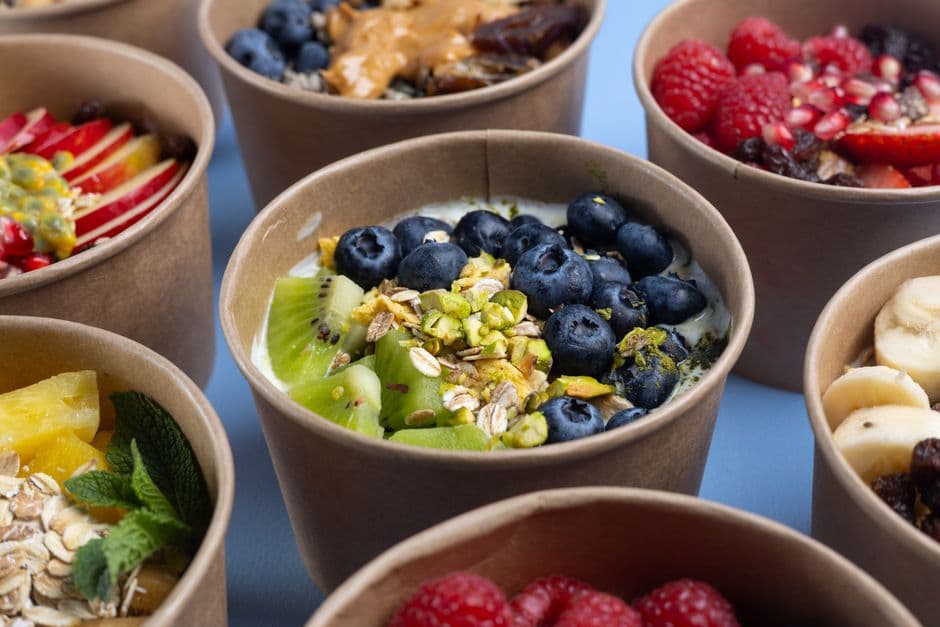
Study (crossover clinical trial). Christine Morand and INRAE colleagues report in Food & Function that 37 otherwise healthy men with a high waist circumference drank, in turn, 330 ml/day of 100% orange juice, a sugar-matched control, and the same control plus hesperidin, each for six weeks. Citrus bioactives were absorbed and gene-activity related to blood-vessel control shifted on juice. Coverage was issued via the Fruit Juice Science Centre; sample is small and men-only. Gene-expression change is not a blood-pressure outcome trial. Educational nutrition notes, not a prescription to drink juice for heart disease.

Read at News-Medical →Our summary♡ Save

  • Men
  • 40–59
  • Cardiovascular / lipids
  • Metabolic / glucose
  • Nutrition
  • Medicine
  • study men
  • nutrition
  • study
  • off-label-context

NIH/NLM PubMed · 16 Sept 2026 · Supplements / medicine

NLM Launches Semantic Precision for AI Retrieval of Knowledge (SPARK) Challenges

The National Library of Medicine (NLM) is pleased to announce the launch of the Semantic Precision for AI Retrieval of Knowledge (SPARK) Challenges. Engineers, data scientists, researchers, startups, and non-profits are invited to build AI systems that improve biomedical literature and clinical research data discovery across PubMed/PMC (35 million-plus citations) and dbGaP.

Read at NIH/NLM PubMed →Our summary♡ Save

  • Medicine
  • news

Cell Reports Medicine · 15 Sept 2026 · Supplements / medicine

Sprint-interval plasma carried a stronger cardiometabolic protein signal than moderate work

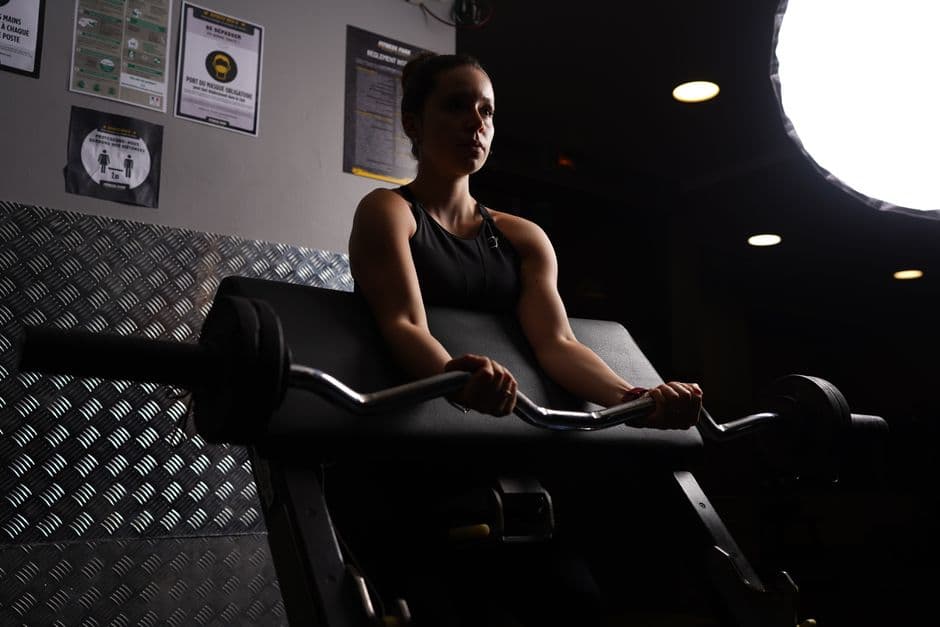
Study (human acute-exercise). A Cell Reports Medicine paper reports that sprint-interval exercise (a few minutes of hard work) changed circulating proteins and interorgan signals more toward cardiometabolic-protective profiles than matched moderate-intensity exercise, including in media-swap tests on human adipocytes. Acute secretome, not a long-term outcomes trial. Educational exercise notes, not a sprint prescription for disease.

Read at Cell Reports Medicine →Our summary♡ Save

  • Cardiovascular / lipids
  • Metabolic / glucose
  • Exercise
  • Medicine
  • study
  • fitness
  • off-label-context

ScienceDaily · 15 Sept 2026 · Supplements / medicine

Four weeks of shifting fat or animal protein changed aging biomarkers in adults 65–75

Study (randomized feeding trial). Caitlin Andrews, Alistair Senior and University of Sydney colleagues report in Aging Cell (doi 10.1111/acel.70507) on 104 Australians aged 65–75 assigned to four diets that all provided 14% of energy from protein (omnivorous vs semi-vegetarian × higher-fat vs higher-carbohydrate). A 20-biomarker score (including cholesterol, insulin, and C-reactive protein) looked younger after four weeks in three arms; the omnivorous high-carbohydrate pattern (about 53% carbohydrate, 28–29% fat) had the strongest signal. The omnivorous high-fat arm, closest to usual intake, did not change. Short trial; clock change is not proof of fewer diseases. Educational nutrition notes, not a diet prescription.

Read at ScienceDaily →Our summary♡ Save

  • 60+
  • Cardiovascular / lipids
  • Metabolic / glucose
  • Nutrition
  • Medicine
  • Aging
  • study
  • aging
  • nutrition
  • off-label-context

News-Medical · 15 Sept 2026 · Supplements / medicine

Frailty and heart health may share oxi-inflammaging and arterial-stiffness pathways

Commentary (narrative review). Mensah, Masoli, Rajkumar and colleagues write in the Journal of Human Hypertension (doi 10.1038/s41371-026-01214-w) that pre-frailty and frailty have been associated with about 70% higher overall cardiovascular disease risk and nearly three-fold higher cardiovascular death. They propose a “cardiovascular frailty” phenotype tying oxi-inflammaging, arterial stiffness, and blood-pressure dysregulation (hypertension, isolated systolic hypertension, orthostatic hypotension). Much biomarker evidence is cross-sectional. HYVET suggested frailty did not erase antihypertensive benefit after age 80, while other observational work has linked lower blood pressure to excess mortality in frail older adults. This is a conceptual review, not a trial of an exercise or drug protocol. Educational aging notes, not medical advice.

Read at News-Medical →Our summary♡ Save

  • 60+
  • Cardiovascular / lipids
  • Exercise
  • Medicine
  • Aging
  • Longevity
  • commentary
  • aging
  • inflammation
  • fitness
  • study

News-Medical · 15 Sept 2026 · Supplements / medicine

Western-style diet linked to faster attention decline in older APOE ε4 carriers

Study (observational). Carolina Blagojevic Castro and colleagues at Murdoch University and Alzheimer’s Research Australia report in Nutrients (doi 10.3390/nu18162592) from the Western Australia Memory Study: 185 Perth older adults followed more than seven years, none with diagnosed dementia at entry. Greater adherence to a Western pattern (red and processed meat, chips, pizza, sweets, refined grains, beer) tracked faster decline in attention among APOE ε4 carriers. The association was not seen across the whole sample, not in non-carriers, and not for a Prudent pattern (fruit, vegetables, leafy greens, whole grains) versus cognitive decline. Observational only — not a prescription to genotype-diet or a dementia diagnosis. Educational nutrition notes.

Read at News-Medical →Our summary♡ Save

  • 60+
  • Cognitive / dementia research
  • Nutrition
  • Medicine
  • Aging
  • study
  • nutrition
  • cognition
  • aging
  • off-label-context

News-Medical · 15 Sept 2026 · Supplements / medicine

Framingham data suggest menopause timing is not what first raises women’s pulse pressure

Study (observational, Framingham Heart Study). Habib, Gary F. Mitchell and colleagues report in Hypertension (doi 10.1161/HYPERTENSIONAHA.126.27015) on 6,760 unique participants across three visits spanning 14 years. Pulse pressure reached a nadir and flipped from falling to rising about a decade earlier in women (late 30s; modeled nadirs ~37–39) than in men (late 40s; ~47). Early, typical, or late menopause had no influence on when women’s pulse pressure bottomed, and postmenopausal nadirs sat an average of 6, 14, and 19 years before the final menstrual period. After age 60, mean pulse pressure was higher in women than in men. Association is not a reason to start, stop, or change blood-pressure medicine. Educational vascular-aging notes, not a diagnosis.

Read at News-Medical →Our summary♡ Save

  • Women
  • Under 40
  • 40–59
  • 60+
  • Cardiovascular / lipids
  • Medicine
  • Aging
  • study
  • women
  • aging

Journal of Prevention of Alzheimer's Disease · 14 Sept 2026 · Supplements / medicine

Obicetrapib slowed the rise of p-tau217 in a BROADWAY substudy, most in APOE4/E4

Study (prespecified biomarker substudy of a phase 3 CVD trial). Michael Davidson, Philip Scheltens and colleagues report in the Journal of Prevention of Alzheimer's Disease on 1,535 BROADWAY participants with APOE status and 12-month plasma p-tau217. Obicetrapib 10 mg attenuated p-tau217 rise versus placebo (adjusted mean 2.09% vs 4.94%; P=0.025). In APOE4/E4, p-tau217 fell 7.81% versus a 12.67% rise on placebo (20.48% difference; P=0.010). Biomarker shift, not a dementia diagnosis or prevention trial. Discussed on Peter Attia Drive #407 (14 September 2026) with Davidson; farmed from the primary paper. Prescription CETP inhibitor — clinician-only; not a supplement. Educational research notes, not medical advice.

Read at Journal of Prevention of Alzheimer's Disease →Our summary♡ Save

  • 60+
  • Cardiovascular / lipids
  • Cognitive / dementia research
  • Supplements
  • Medicine
  • study
  • cognition
  • off-label-context

EurekAlert · 14 Sept 2026 · Supplements / medicine

A frontal-cortex microprotein atlas found 1,067 uncharacterized proteins in Alzheimer’s brains

Study (human tissue atlas). Brendan Miller, Alan Saghatelian and Salk colleagues report in Nature Aging (doi 10.1038/s43587-026-01207-x) on 480 ROSMAP frontal-cortex samples with and without Alzheimer’s disease. Using ShortStop plus mass spectrometry they identified 1,067 previously uncharacterized microproteins; hundreds differed in Alzheimer’s tissue. In microglia, knocking out one microprotein-coding gene impaired mitochondria, suggesting a possible immune-cell energy link. Atlas work, not a treatment. Educational research notes, not a diagnosis or a supplement claim.

Read at EurekAlert →Our summary♡ Save

  • 60+
  • Cognitive / dementia research
  • Supplements
  • Aging
  • study
  • cognition
  • aging

EurekAlert · 14 Sept 2026 · Supplements / medicine

Isocaloric 10-hour eating did not beat a 16-hour pattern for weight in a small feeding trial

Study (randomized isocaloric feeding trial). Daisy Duan and Johns Hopkins colleagues report in Obesity (TRIM; doi 10.1002/oby.70270) on 39 adults with obesity and prediabetes or diet-controlled type 2 diabetes (mean age 60; 92% women; 92% Black; mean BMI 35.2). A 10-hour time-restricted window versus a 16-hour usual eating pattern for 12 weeks, with matched calories, produced similar modest weight loss (median 2.7% vs 2.5%). Inflammatory markers and hunger biology did not clearly favor TRE. Small, mostly older women; not a reason to start, stop, or replace diabetes medicine. Educational metabolic notes, not medical advice.

Read at EurekAlert →Our summary♡ Save

  • Women
  • 60+
  • Metabolic / glucose
  • Nutrition
  • Medicine
  • study women inflammation nutrition
  • inflammation
  • nutrition
  • study

VitaLonga is an educational longevity resource, not a pharmacy, clinic, or doctor. Content is not medical advice and is not intended to diagnose, treat, cure, or prevent any disease (DSHEA). Supplements can interact with medications and are not appropriate in every pregnancy or health condition. Consult a licensed clinician, especially if you take medications, are pregnant or nursing, or have a diagnosed condition.