VitaLonga

Desk

News archive

Every story stays here. Filter by topic, search older headlines, and save favorites to your member record. Educational notes only — not medical advice.

Saved (sign in)

86 stories in this category

ScienceDaily · 13 Sept 2026 · Aging

Scientists find how “zombie” cells fuel inflammation as we age

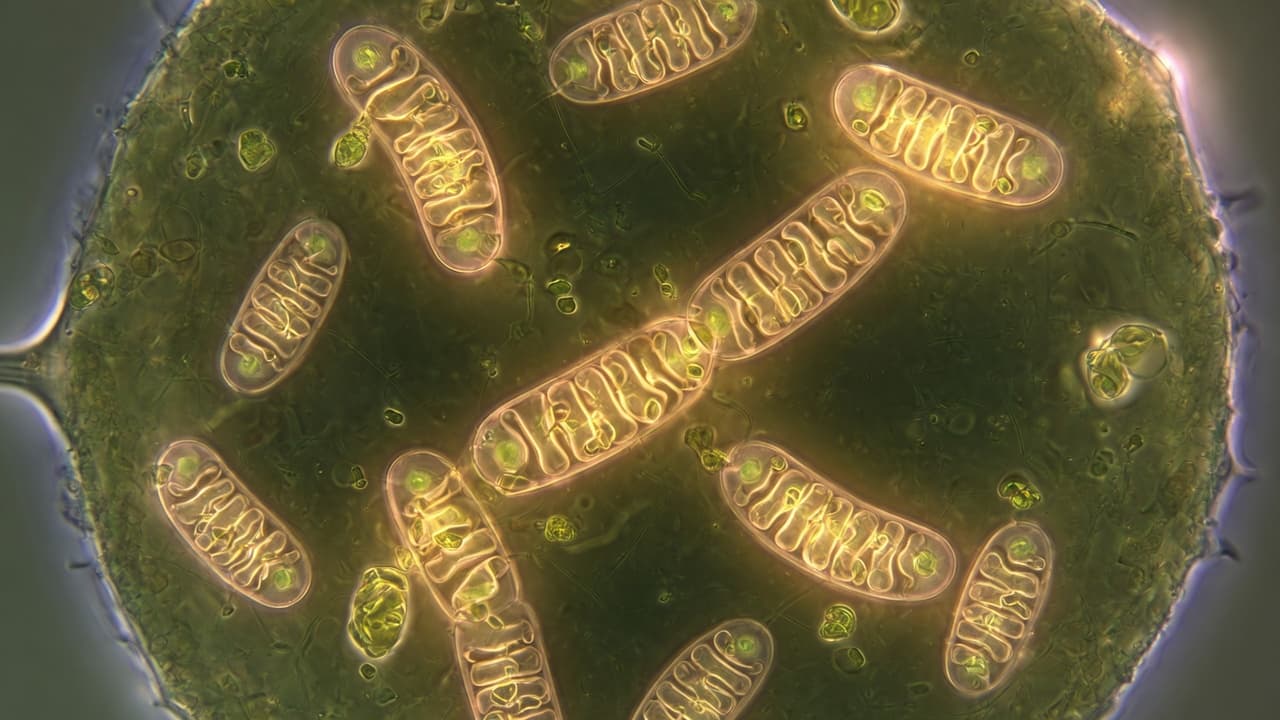
Study (mice and cells). Peter Adams, João Passos, Hélène Martini and colleagues report in Nature that senescent cells raise mitochondrial acetyl-CoA, loosening DNA packaging around SASP inflammatory genes, while leaky mitochondrial DNA/RNA supplies the immune signal to switch those genes on. Blocking acetyl-CoA transport with CTPI-2 reduced inflammation and improved healthspan in aging mice even though the leak signals remained. Mouse work is not a human senolytic protocol. Educational cell-aging notes, not medical advice.

Read at ScienceDaily →Our summary♡ Save

  • Aging
  • Longevity
  • study
  • inflammation
  • longevity

ScienceDaily · 12 Sept 2026 · Aging

Scientists discover a hidden switch that shuts down inflammation

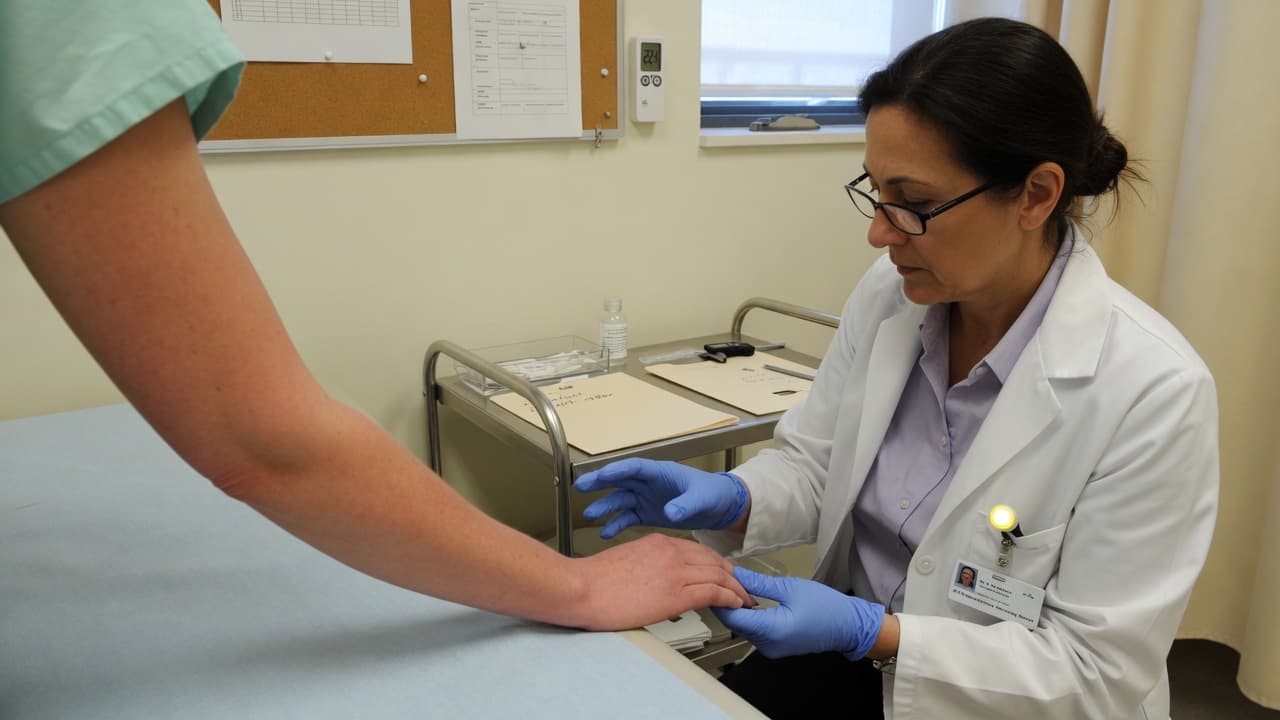
Study (human experimental). UCL’s Olivia Bracken, Derek Gilroy and colleagues report in Nature Communications that epoxy-oxylipins act as a brake on intermediate monocytes. Forty-eight healthy volunteers received a UV-killed E. coli forearm challenge; GSK2256294 (an sEH inhibitor) given before or after raised epoxy-oxylipins, sped pain relief, and cut intermediate monocytes without much change in redness or swelling. 12,13-EpOME appeared to suppress p38 MAPK. This is not a license to use sEH blockers for aging. Educational immune notes, not medical advice.

Read at ScienceDaily →Our summary♡ Save

  • Aging
  • study
  • inflammation

Nature Communications · 8 Sept 2026 · Aging

Gray-matter volume did not drop during the menopause transition in 1,095 MRI scans

Study (longitudinal MRI). Sophie van ’t Hof, Elseline Hoekzema and Amsterdam UMC colleagues report in Nature Communications (doi 10.1038/s41467-026-76755-2) comparing puberty, pregnancy, and menopause in 1,095 female brains. Puberty and pregnancy showed small gray-matter reductions; women who moved from pre- to post-menopause between scans did not show the significant volumetric loss seen in stable pre- and postmenopausal controls. Menopause stage was self-reported. Volume pause is not a cognition or dementia test. Educational aging notes, not a treatment for brain fog.

Read at Nature Communications →Our summary♡ Save

  • Women
  • 40–59
  • 60+
  • Cognitive / dementia research
  • Aging
  • study
  • women
  • cognition

MIT Technology Review · 8 Sept 2026 · Aging

Partial OSK reprogramming that repaired mouse optic nerves has entered a first human eye trial

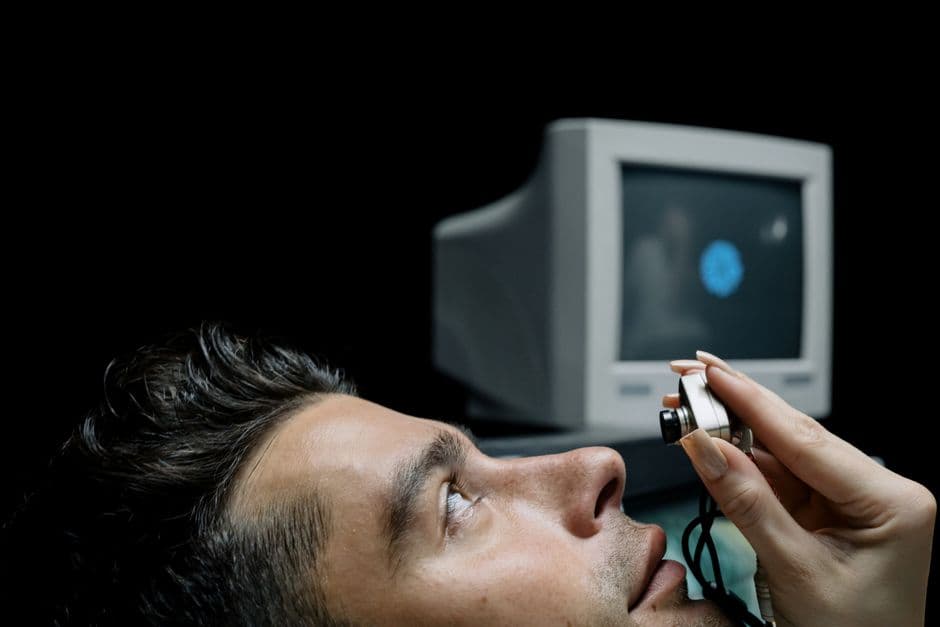
Commentary (science feature citing primary work). MIT Technology Review (8 September 2026) covers Yuancheng Ryan Lu’s OSK partial-reprogramming work, published in Nature in 2020, in which crushed mouse optic nerves regrew after a three-factor gene therapy (OSK, omitting Myc). Life Biosciences, which David Sinclair cofounded, said on 9 June 2026 it had injected the same construct (ER-100) into the eye of a person with glaucoma — a first-in-human safety start, not an aging-reversal outcome. Lu notes OSK remains toxic in many cell types and is a proof of concept, not a fountain of youth. Educational research notes, not a treatment offer. Sinclair-adjacent; farmed from the underlying mouse paper plus the public trial announcement.

Read at MIT Technology Review →Our summary♡ Save

  • Aging
  • commentary
  • study

PsyPost / JAMA Network Open · 7 Sept 2026 · Aging

Earlier menopause tracked faster memory decline and an earlier Alzheimer diagnosis in older women

Study (observational). M. Pia Campagna, Riley M. Bove, and colleagues report in JAMA Network Open (doi 10.1001/jamanetworkopen.2026.30973; PsyPost 7 September 2026) on 2,603 older women in the Religious Orders Study and the Rush Memory and Aging Project. Average age at enrollment was 78, with no known dementia then, and follow-up ran as long as 18 years with yearly cognitive testing. Reproductive history was recalled, including age at menopause and whether it was natural or surgical. Brain autopsy was available for 1,287 women, and 774 had MRI about every two years. Earlier menopause lined up with faster decline in global cognition and episodic memory, and with an Alzheimer diagnosis at a younger age. Models estimated that menopause ten years earlier corresponded to nearly two fewer years free of Alzheimer disease. Cognitive decline and earlier diagnosis were stronger after surgical menopause. On scans, earlier natural menopause lined up with faster accumulation of white-matter hyperintensities: about 15 percent more of that injury over ten years for menopause five years earlier. That white-matter pattern was not seen in the surgical group. The link with total brain-volume loss was small. A shorter reproductive span lined up with the same cognitive direction. This cannot prove early menopause causes later dementia. Hormone therapy was not tested here; Bove noted that higher-quality trials have not shown it protects the brain, and follow-up in those trials may still be short. Recall of period dates can be imperfect, and pregnancies, breastfeeding, and contraceptive use were not fully captured. This is a different study from the September menopause proteomic score. Educational aging notes. Not a reason to start, stop, or time a hormone treatment.

Read at PsyPost / JAMA Network Open →Our summary♡ Save

  • Women
  • 60+
  • Cognitive / dementia research
  • Medicine
  • Aging
  • study
  • cognition

Nature Aging · 31 Aug 2026 · Aging

Mapping structural aging across human tissues reveals tissue-specific trajectories and coordinated deterioration

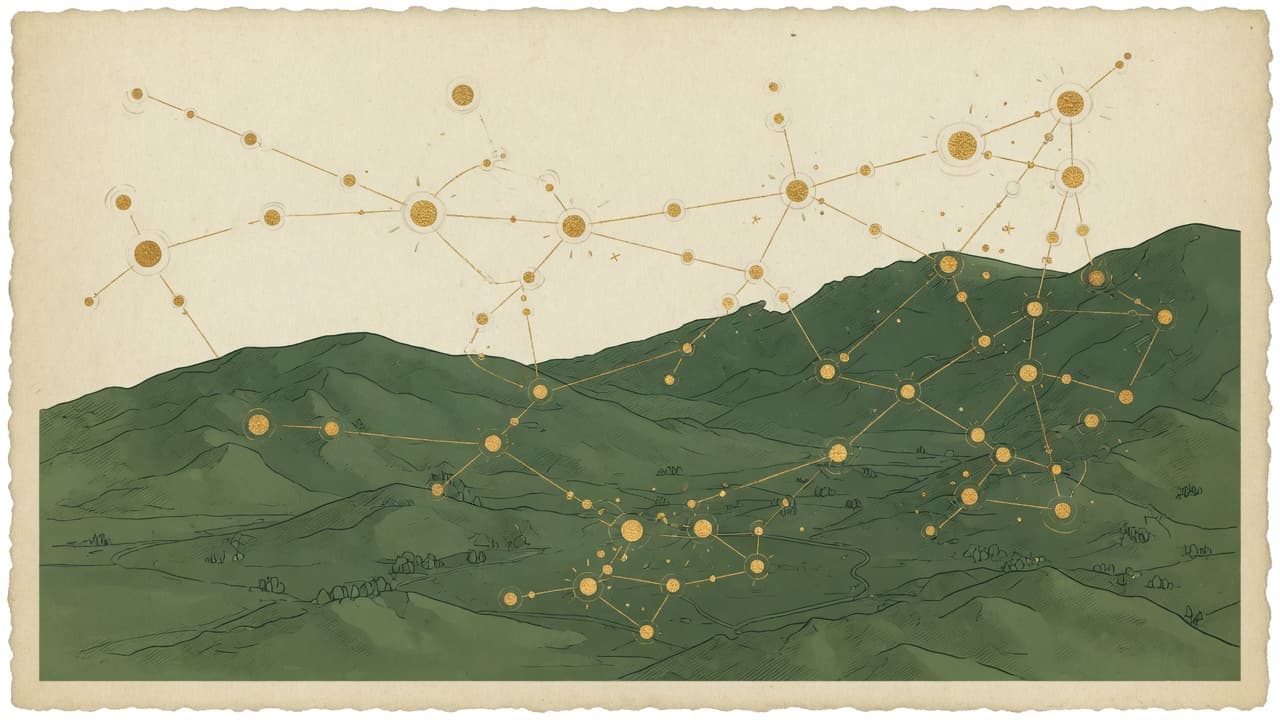
Study. Yadav et al. introduce PathStAR, which scores structural aging from histology without being trained to guess chronological age. Across 40 tissues, organs aged on different curves (vascular earlier; uterus/vagina later). A research map of tissue structure — not a diagnostic test you can order from VitaLonga.

Read at Nature Aging →Our summary♡ Save

  • Aging
  • study
  • research

Nature Aging · 25 Aug 2026 · Aging

Sex-specific aging clocks from a large-scale human phenome reveal distinct aging transitions

Study. Under the X-Age Project, researchers profiled 172 routine clinical measures from more than 100,000 adults aged 18–98 in the Multicentric Chinese Aging Study and built sex-specific clinical aging clocks (Nature Aging, 25 Aug 2026; EurekAlert summary 31 Aug 2026). Men showed a metabolic shift around 35–45 years (BMI, triglycerides, cholesterol); women showed a later transition around 55–65 years near menopause. Differences narrowed later in life. Metabolic factors and some tumor-related markers accumulated with age and tracked faster physiological aging. This is a research clock from checkup data, not a diagnostic test VitaLonga can order and not a treatment.

Read at Nature Aging →Our summary♡ Save

  • Women
  • 40–59
  • 60+
  • Cardiovascular / lipids
  • Metabolic / glucose
  • Cancer
  • Aging
  • study
  • research

VitaLonga is an educational longevity resource, not a pharmacy, clinic, or doctor. Content is not medical advice and is not intended to diagnose, treat, cure, or prevent any disease (DSHEA). Supplements can interact with medications and are not appropriate in every pregnancy or health condition. Consult a licensed clinician, especially if you take medications, are pregnant or nursing, or have a diagnosed condition.