
VitaLonga

Desk

News archive

Every story stays here. Filter by topic, search older headlines, and save favorites to your member record. Educational notes only — not medical advice.

Saved (sign in)

465 stories

Medical Xpress · 3 Sept 2026 · Supplements / medicine

Diabetes drug metformin could be repurposed to help slow aging mechanisms

Commentary (review). A Hamad Bin Khalifa University review in Aging (DOI 10.18632/aging.206407) gathers cell, animal, and human studies on metformin and biological aging. The authors describe AMPK activation, autophagy, DNA-methylation stability, and microbiome shifts. Animal data include longer C. elegans lifespan and mixed mouse lifespan gains; human signals are mostly observational in people with diabetes, and a widely cited survival paper has been hard to reproduce. The planned TAME trial is meant to test whether metformin delays age-related disease in people without diabetes. Metformin remains a prescription medicine for type 2 diabetes. Off-label longevity use is clinician-only. This is not medical advice and not a reason to start, stop, or replace any drug. Educational supplement parallel (not a replacement): When longevity headlines discuss metformin, people often also research berberine. That is an off-label / curiosity parallel, not a recommendation to take berberine instead of metformin. Human longevity outcome data for both are limited; disease-use of metformin is clinician-prescribed. Weakly evidenced as an anti-aging product. Store: /store/berberine. Not medical advice. Not a substitute for a prescribed medicine. Off-label prescription use is clinician-only. VitaLonga does not diagnose, treat, or cure disease. Never start, stop, or replace a prescription with a supplement on the basis of a headline.

Read at Medical Xpress →♡ Save

  • Metabolic / glucose
  • commentary
  • longevity
  • aging
  • research
  • metformin
  • off-label-context
  • gut
  • study

Medical Xpress · 3 Sept 2026 · Supplements / medicine

Some hair loss in men is linked to weight-loss drug use

Study (genetic). NYU Langone Health researchers led by Lynn Petukhova report in the Journal of Investigative Dermatology that genetically higher GLP-1 receptor (GLP1R) activity is linked to about 7% added risk of male-pattern androgenetic alopecia, remaining after adjustment for hypertension, insulin resistance, and testosterone-related factors. Databases included eQTLGen (31,684 people) and a male complex-traits set (205,327). The analysis could not yet test women the same way. This is not a reason to start, stop, or replace a prescribed GLP-1 drug. Off-label longevity use is clinician-only. Not medical advice. Educational supplement parallel (not a replacement): When headlines discuss GLP-1 medicines and aging, people often research food-first fiber or bitter-botanical “pathway support” formulas. Those are not semaglutide, not compounded GLP-1, and not a substitute for a prescribed GLP-1 drug. Mouse or marketing claims are hype until human outcome data exist. Weakly evidenced. Store: /store/glp1-pathway-support. Not medical advice. Not a substitute for a prescribed medicine. Off-label prescription use is clinician-only. VitaLonga does not diagnose, treat, or cure disease. Never start, stop, or replace a prescription with a supplement on the basis of a headline.

Read at Medical Xpress →♡ Save

  • Cardiovascular / lipids
  • Metabolic / glucose
  • study
  • men
  • glp1
  • off-label-context
  • longevity
  • aging
  • fitness
  • nutrition

EurekAlert · 3 Sept 2026 · Supplements / medicine

Eating jetlag and the risk of cardiovascular disease

Study (observational). INRAE’s Bernard Srour and colleagues analysed 104,806 adult NutriNet-Santé participants (2009–2023) and report in Communications Medicine that weekday–weekend meal-timing shifts (“eating jetlag”) tracked with cardiovascular disease in men: each extra hour of advance or delay was associated with about 14% higher CVD risk and 21% higher coronary risk after sleep, diet, and lifestyle adjustment. No significant association was seen in women. Advance averaged about 2 hours earlier on weekends; delay about 1 hour 40 minutes later. Observational, not proof that regular mealtimes prevent heart disease. Educational timing notes, not medical advice.

Read at EurekAlert →♡ Save

  • Cardiovascular / lipids
  • study
  • men
  • nutrition
  • sleep

ScienceDaily · 2 Sept 2026 · Nutrition

Too much coffee may weaken bones, study finds

Study (observational). A 10-year follow-up of nearly 10,000 older women associated tea drinking with slightly higher hip bone density. Moderate coffee was not clearly harmful; more than five cups a day tracked with lower density. Associations are not prescriptions. Food and drink choices belong with a clinician if you have bone disease or take medications.

Read at ScienceDaily →♡ Save

  • study
  • aging

ScienceDaily · 2 Sept 2026 · Supplements / medicine

Each extra hour of prolonged sitting linked to 9% higher cancer death risk

Study (observational). University of Glasgow researchers writing in PLOS Medicine followed 91,292 UK Biobank adults who wore activity monitors for 7 days, then tracked them a median 12.38 years. Each extra hour of sitting lasting at least 30 minutes tracked with 9% higher cancer mortality (HR 1.09). Replacing one hour of prolonged sitting with light activity associated with 12% lower cancer death risk (HR 0.88). Interrupted sitting showed the opposite pattern. This is association, not proof that sitting causes cancer. UK Biobank volunteers tend to be healthier than average. Breaking up long sits is a movement habit, not a disease treatment.

Read at ScienceDaily →♡ Save

  • study
  • fitness
  • aging

Nature · 2 Sept 2026 · Supplements / medicine

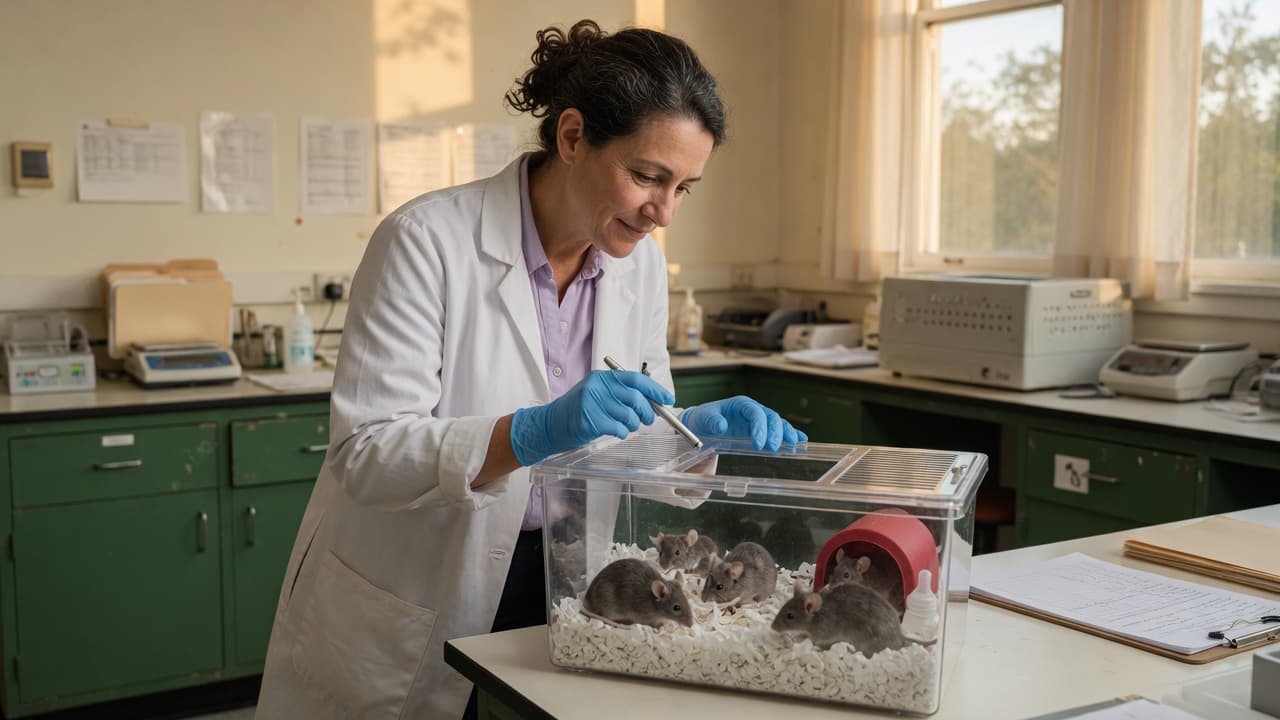
Late-life semaglutide treatment slows ageing and extends lifespan in female mice

Study (mice). Feng, Barthez, Chen and colleagues treated 20-month-old female C57BL/6 mice with the GLP-1 receptor agonist semaglutide. Median lifespan was 834 days versus 742 in controls (about 12% longer). Three months of treatment improved function and dampened aging hallmarks; treated mice ate about 24% fewer calories. A calorie-matched comparison suggested extra gains in exploratory drive, spatial memory, and glucose control beyond restriction alone. This is laboratory animal work in one sex and strain, not a human longevity trial. Semaglutide remains a prescription medicine for approved uses. Off-label aging use is clinician-only. This is not medical advice and not a reason to start, stop, or replace any drug. Educational supplement parallel (not a replacement): When headlines discuss GLP-1 medicines and aging, people often research food-first fiber or bitter-botanical “pathway support” formulas. Those are not semaglutide, not compounded GLP-1, and not a substitute for a prescribed GLP-1 drug. Mouse or marketing claims are hype until human outcome data exist. Weakly evidenced. Store: /store/glp1-pathway-support. Not medical advice. Not a substitute for a prescribed medicine. Off-label prescription use is clinician-only. VitaLonga does not diagnose, treat, or cure disease. Never start, stop, or replace a prescription with a supplement on the basis of a headline.

Read at Nature →♡ Save

  • Metabolic / glucose
  • study
  • longevity
  • aging
  • research
  • glp1
  • off-label-context
  • cognition
  • nutrition

EurekAlert · 2 Sept 2026 · Supplements / medicine

Food keeps time, too — and your liver is listening for the dinner bell

Study (mice). Texas A&M biologists led by Jerome Menet report in Science Advances that meal timing drives rhythmic liver gene activity through the nutrient sensor mTOR, in partnership with—but not identical to—the organ’s circadian clock. Blocking mTOR cut rhythmic gene expression by about 50%. The same nutrient signal had different effects depending on time of day. The authors link the finding to shift work, jet lag, late-night eating, and time-restricted eating. This is laboratory animal work, not a human fasting trial and not a reason to treat metabolic disease with a supplement or a clock pill. Meal timing is educational; concentrated “chrono” products are weakly evidenced for this claim.

Read at EurekAlert →♡ Save

  • study
  • nutrition
  • research

EurekAlert · 2 Sept 2026 · Supplements / medicine

Boosting indoor light could help support healthy ageing in older adults in urban areas

Study. In the ENLIGHTENme trial (Journal of Pineal Research), University of Surrey researchers led by Débora Constantino and Daan van der Veen recruited 202 community-dwelling adults aged 63–92 in Tartu, Bologna, and Amsterdam. After a two-week wearable baseline, 98 were randomized to three months of a full-spectrum lamp in the most-used room (on within an hour of waking; off four hours before usual sleep) versus 93 controls. Earlier self-administered daytime light tracked with higher activity and less rest–activity fragmentation. This is real-world light hygiene, not a drug and not a sleep-disorder diagnosis. Educational, non-pharmacological notes; not medical advice.

Read at EurekAlert →♡ Save

  • study
  • aging
  • research
  • sleep

Medical Xpress · 2 Sept 2026 · Supplements / medicine

Healthier fats linked to longer survival after prostate cancer diagnosis

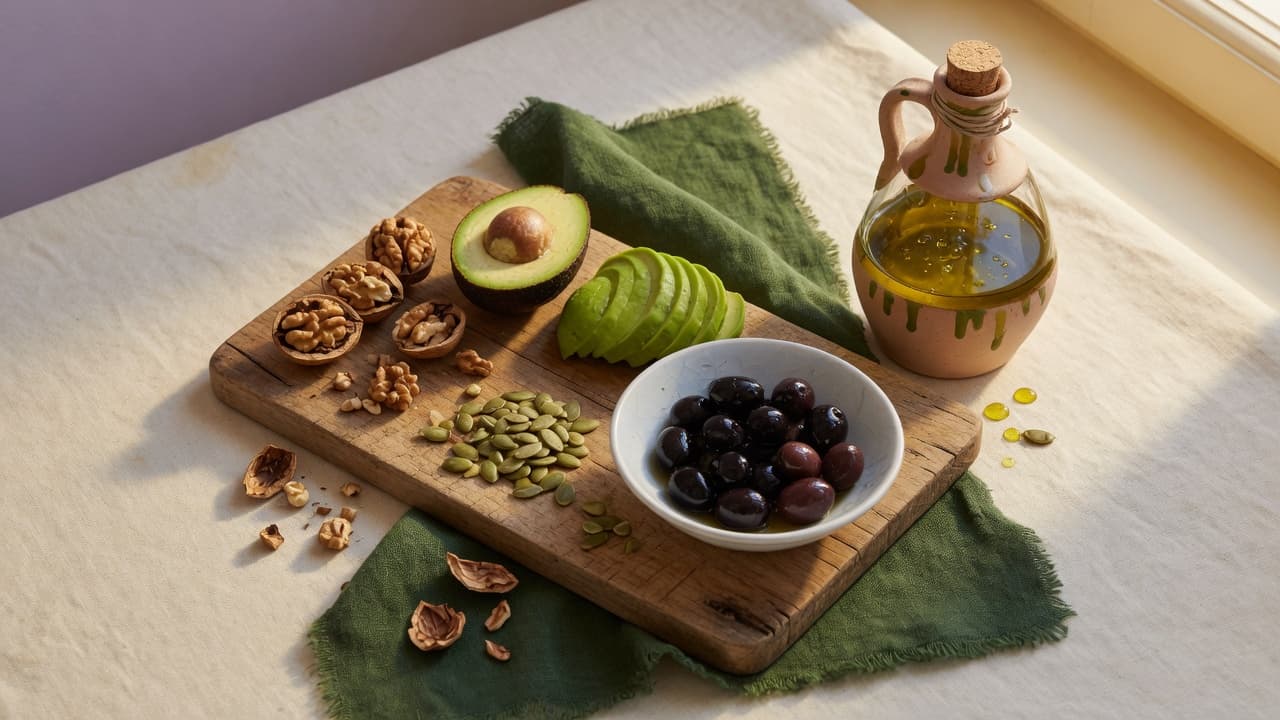
Study (observational). Using the Health Professionals Follow-Up Study, Harvard Chan and McGill researchers followed 4,884 men with nonmetastatic prostate cancer for a median 12.8 years (JAMA Network Open). Highest versus lowest saturated-fat intake associated with a 24% higher all-cause death rate (10-year risk 26.4% vs 23.4%), driven mainly by cardiovascular disease and other cancers, not prostate cancer itself. Modeled replacement of about 10% of calories from animal fat with plant fat associated with 16% lower all-cause mortality; replacing 5% of calories from saturated fat with monounsaturated fat associated with 20% lower. Association is not causation. Not a cancer treatment and not a supplement protocol. Simple food swaps (olive oil, nuts, seeds, avocado) are educational.

Read at Medical Xpress →♡ Save

  • Cardiovascular / lipids
  • study
  • nutrition
  • aging

News-Medical · 2 Sept 2026 · Supplements / medicine

Healthy ageing shaped by more varied biology than previously thought

Study (longitudinal). King’s College London researchers (Julia El-Sayed Moustafa, Kerrin Small and colleagues) report in Science the most comprehensive molecular aging map of its kind: 335 TwinsUK adults followed eight years with repeated blood RNA (~16,000 genes) and hundreds of metabolites. Two healthy people of the same age could show opposite molecular change. Trajectories differed for a cardiac-aging gene (CXCL9) and for TP53 in some people; PFAS “forever chemical” blood levels correlated with shifting profiles. Innate and adaptive immune cells did not age the same way. This is a roadmap paper, not a trial of a longevity supplement and not a diagnosis. Educational biology notes.

Read at News-Medical →♡ Save

  • study
  • aging
  • research
  • longevity

News-Medical · 2 Sept 2026 · Supplements / medicine

Menopause may start changing the gut years before periods stop

Study (observational). Shieh, Karlamangla and colleagues, using 964 women in the SWAN Bone Cohort with a known final menstrual period (mean age about 49 at first visit), report in the Journal of Clinical Investigation that circulating markers of gut-barrier strain (FABP2 and sCD14) rose across about nine years around menopause. FABP2 began climbing about 2.5 years before the final period and slowed about 6.5 years after; sCD14 lagged by about six months. This is indirect blood-marker work, not a leaky-gut diagnosis or a probiotic trial. Educational menopause-aging notes, not medical advice.

Read at News-Medical →♡ Save

  • study
  • women
  • gut
  • aging

VitaLonga is an educational longevity resource, not a pharmacy, clinic, or doctor. Content is not medical advice and is not intended to diagnose, treat, cure, or prevent any disease (DSHEA). Supplements can interact with medications and are not appropriate in every pregnancy or health condition. Consult a licensed clinician, especially if you take medications, are pregnant or nursing, or have a diagnosed condition.