Every story stays here. Filter by topic, search older headlines, and save favorites to your member record. Educational notes only — not medical advice.
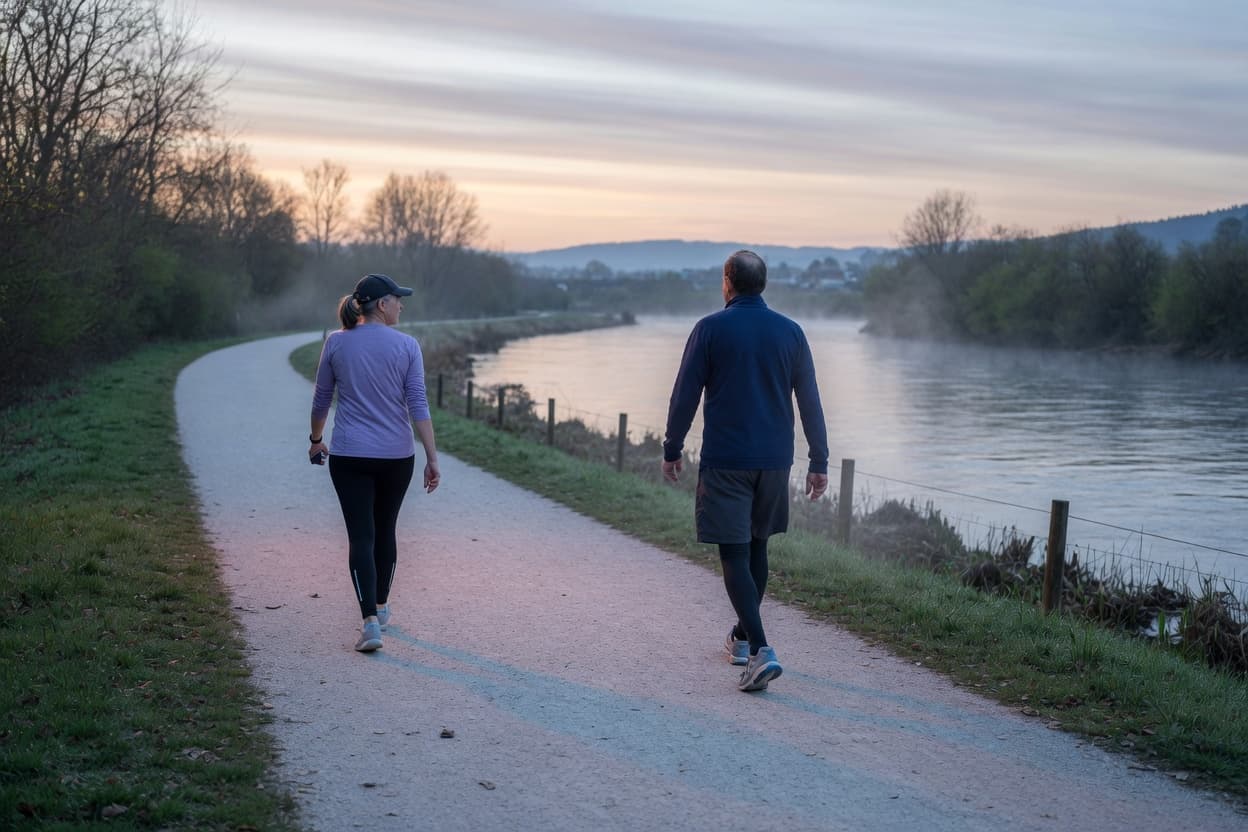
Study (observational, wearable trackers). Christian J. Corral, Benjamin Baird, and colleagues at the University of Texas at Austin report in the Journal of Physical Activity and Health (2025; 22(8):1042; DOI 10.1123/jpah.2024-0844). ScienceDaily recirculated it on 11 Oct 2026. Students wore Fitbits for several months. People active on more days spent more time in non-REM sleep, including deep sleep. Among these young adults, about 10 minutes a day of moderate-to-vigorous activity lined up with better sleep. Walking and standing breaks lined up with healthier sleep and a better next-day mood. More non-REM sleep lined up with better next-day energy and less stress. The design cannot show that activity caused the sleep change. The sample is university students, not older adults. Not medical advice.
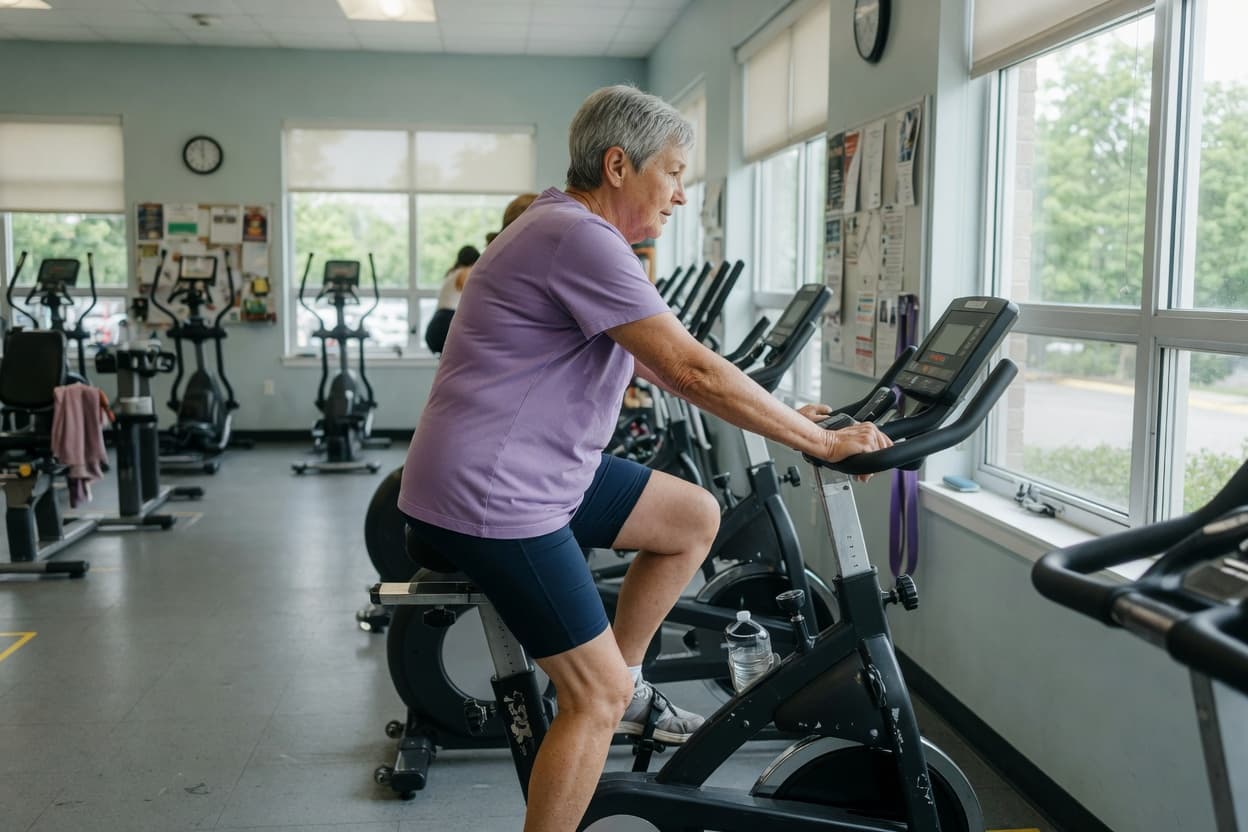
Study (exercise comparison). Grace Rose and colleagues at the University of the Sunshine Coast report in Maturitas (2025; 203:108763; DOI 10.1016/j.maturitas.2025.108763). Coverage of the same paper describes more than 120 healthy older adults, average age 72 and average body mass index 26, who trained in a gym three times a week for six months at high, moderate, or low intensity. All three intensities led to some fat loss. Only the high-intensity interval arm kept lean muscle; the easier arms showed a small loss of lean tissue. The public summary does not give a kilogram figure for that lean-tissue gap. This is one program in healthy older adults, not a prescription for people with heart disease or frailty. Not medical advice.
Study (systematic review and meta-analysis). A review in the International Journal of Medical Sciences (16 Apr 2026; 23(6):1933–1951; DOI 10.7150/ijms.130435) pooled 14 trials and 763 women across reproductive stages. Five trials used whole-protein supplements, six used amino acids, and three used creatine monohydrate. Together, the supplements plus exercise did not show a clear effect on skeletal muscle mass (Hedges g 0.065), appendicular lean mass (g 0.197), or fat-free mass (g 0.069). Adverse events did not rise. The authors report selective upper-body strength improvements, particularly in the creatine trials, and say exercise alone had the reliable musculoskeletal benefit. The products were mixed, so this is not a verdict on one supplement. It is a different question from the postmenopausal creatine review in this same farm, which found a small lean-mass difference at 5 grams a day or more with resistance training. Not medical advice. Not a substitute for a prescribed medicine.
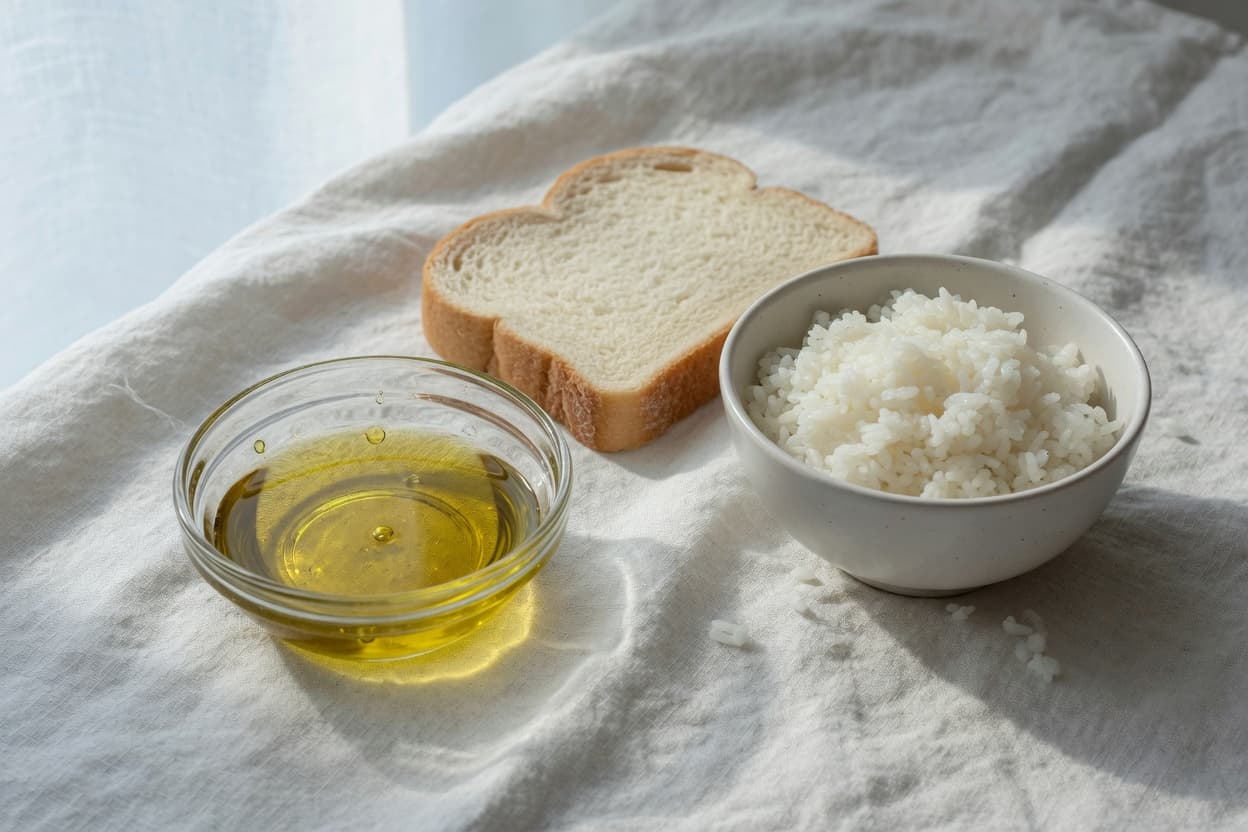
Study (mice). Yanyan Liu, Daisuke Yabe, and colleagues at Kyoto University report in Diabetes (2026; DOI 10.2337/db26-0531). After an overnight fast, mice received water then glucose, olive oil then glucose 15 minutes later, or glucose then olive oil. Oil first produced a smaller early glucose rise, slower gastric emptying, and an early rise in glucagon, GIP, and GLP-1. The pattern still appeared in mice with type 2 diabetes and severe insulin deficiency. Blocking glucagon or GLP-1 alone did not remove the effect; blocking both reduced it. Cutting the vagus nerves below the diaphragm also changed the response. GLP-1 here is a hormone the animals already release, not a drug result, and not a reason to start, stop, or swap a medicine. The experiment is in mice. Not medical advice. Not a substitute for a prescribed medicine. Off-label use of GLP-1 receptor agonists is clinician-only. Educational supplement parallel (not a replacement): When headlines discuss GLP-1 medicines and aging, people often research food-first fiber or bitter-botanical “pathway support” formulas. Those are not semaglutide, not compounded GLP-1, and not a substitute for a prescribed GLP-1 drug. Mouse or marketing claims are hype until human outcome data exist. Weakly evidenced. Store: /store/glp1-pathway-support. Not medical advice. Not a substitute for a prescribed medicine. Off-label prescription use is clinician-only. VitaLonga does not diagnose, treat, or cure disease. Never start, stop, or replace a prescription with a supplement on the basis of a headline.
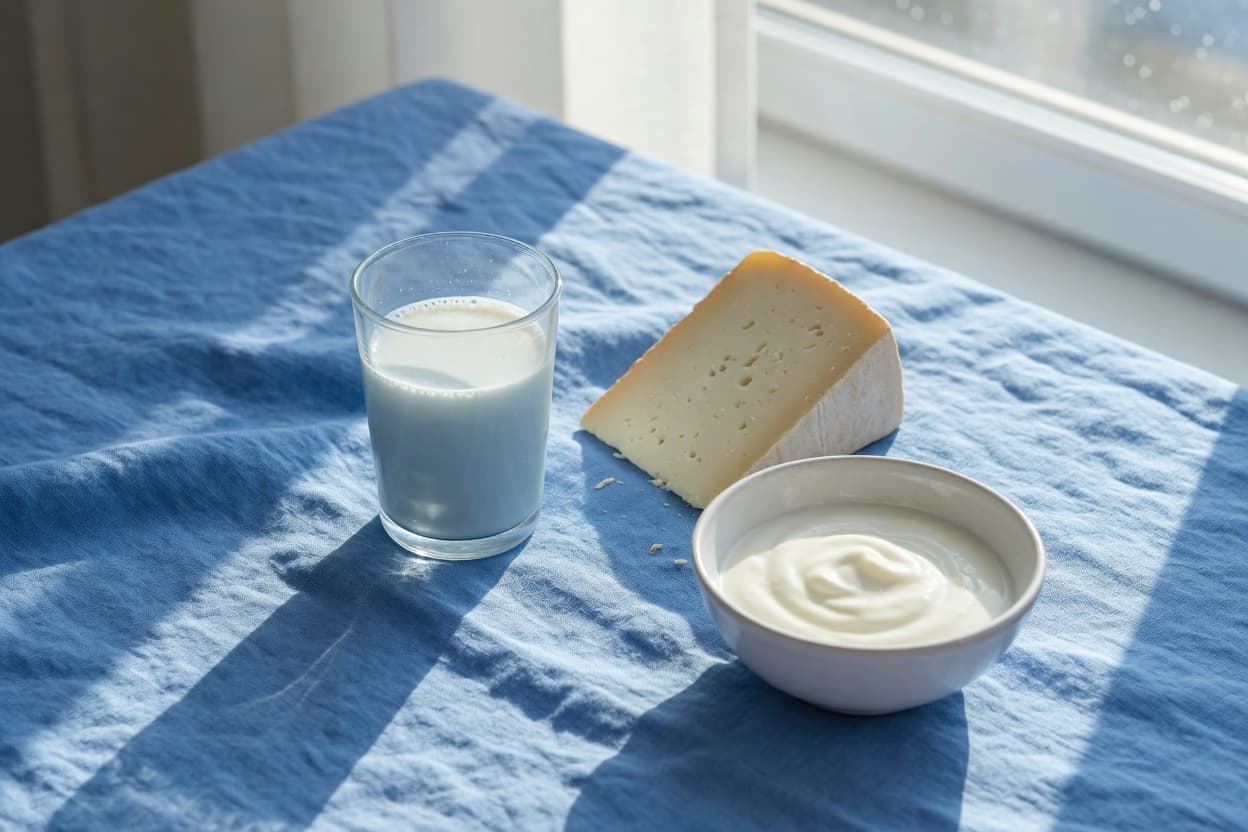
Study (review of trials and cohorts). Constance Gayet-Boyer, D. Ian Givens, and colleagues report in Nutrition Research (2026; 150:33; DOI 10.1016/j.nutres.2026.03.009). They separated trans fats that occur in milk, butter, yogurt, and cheese from industrial trans fats made by partial hydrogenation. Ten feeding trials, with dairy trans fat intakes of about 1.3 to 13.2 grams a day, found no meaningful blood-lipid difference versus ordinary dairy. Twelve cohort studies, some longer than 20 years, in Europe, Canada, and the United States, did not link higher blood levels of dairy trans fats to heart disease, stroke, cardiovascular death, or type 2 diabetes. The paper does not say industrial trans fats are safe, and it does not claim dairy prevents disease. Not medical advice.
Study (cross-sectional, three groups). Kanhao Zhao, Arpana Church, and colleagues at UCLA report in eBioMedicine (2026; 132:106468; DOI 10.1016/j.ebiom.2026.106468). They estimated a Brain Aging Index from resting scans of how brain regions communicate, in nearly 1,500 generally healthy young and mid-life adults. A higher index, meaning the scan looked older than the person's age, lined up with weaker working memory and executive function and with more depression symptoms. In the group that also gave stool samples, a higher index lined up with particular gut bacteria and metabolites, including some fat molecules, a cholesterol-related compound, and lower estetrol. Church, at the Goodman-Luskin Microbiome Center, says the signals may be visible decades before obvious cognitive disease. This does not show that changing the gut slows brain aging, and it is not a dementia diagnosis. Not medical advice.
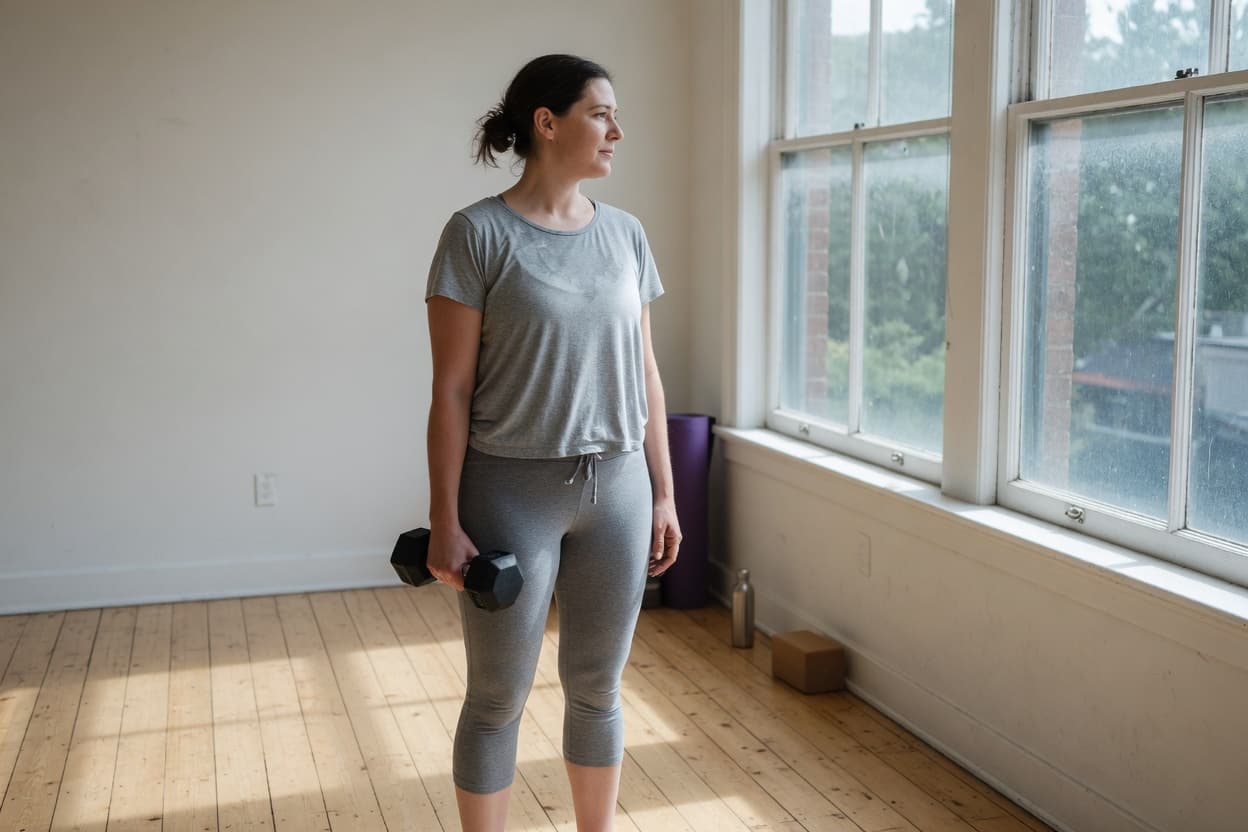
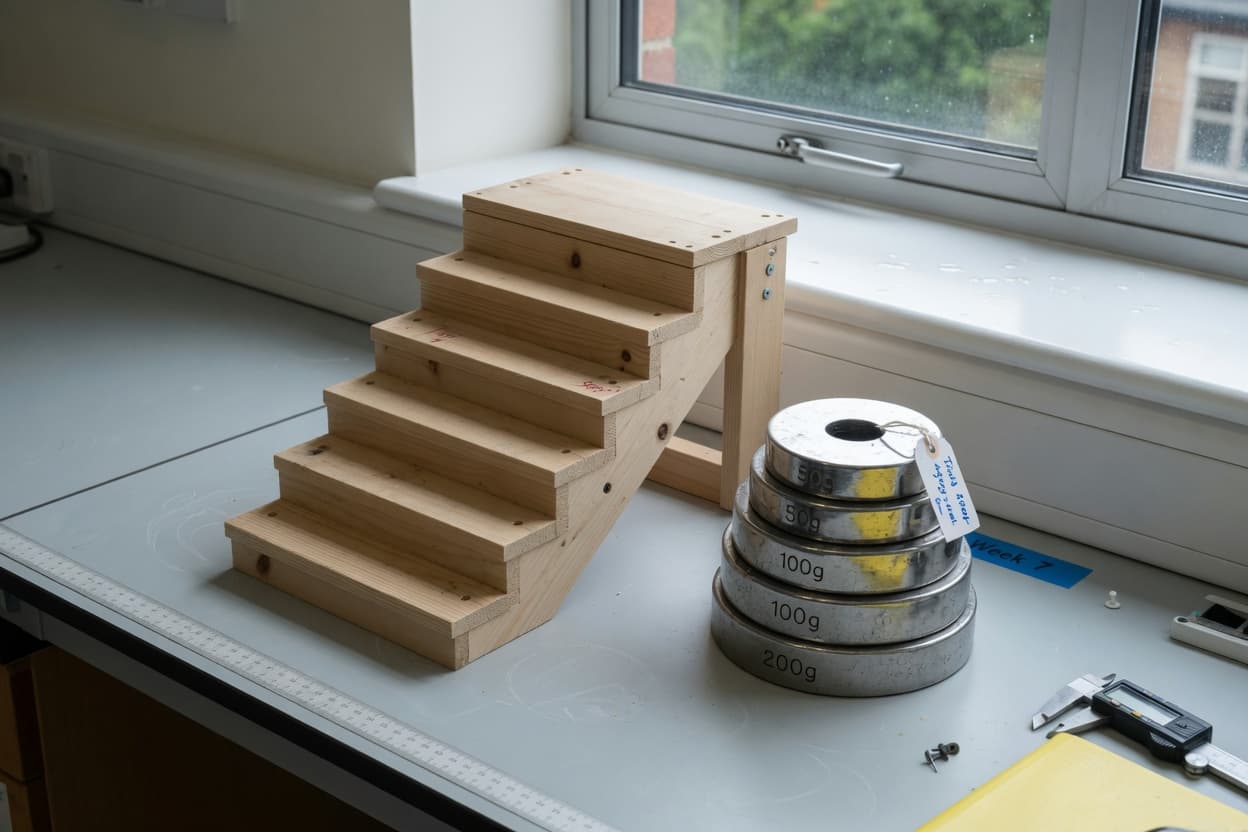
Study (male mice). Diego Gomes de Melo, Leandro Pereira de Moura, and colleagues at the State University of Campinas report in Life Sciences (2026; 401:124546; DOI 10.1016/j.lfs.2026.124546). Obese mice fed a high-fat diet either stayed sedentary or climbed a 70-centimeter stair 20 times a session, at about 70 percent of the load they could carry, with 60 to 90 seconds of rest, for seven sessions. Both groups kept the high-fat diet. Body weight did not fall. The trained mice had less mesenteric fat around the intestine and smaller fat cells. Markers of fat breakdown, including the ABHD5–ATGL interaction and perilipin-1, moved toward more lipolysis, and Scd1 expression was lower. Only male mice and one fat depot were studied. This is not evidence that one week of lifting shrinks belly fat in people. Not medical advice.
Scientists found that black and green Japanese rice contain unusual, potentially beneficial fats and may be digested more slowly than ordinary white rice. The combination could make these colorful varieties promising ingredients for foods designed to support blood sugar and metabolic health.
Scientists discovered a hidden “immune organ” inside the skull that acts as a rapid first responder against brain cancer in mice. Strengthening this local immune defense improved tumor rejection and survival, raising the possibility of new treatments that target the skull directly.
Eating four to six servings of whole grains a day may deliver meaningful benefits for heart health, according to a large review of 87 clinical trials. Researchers found improvements in body weight, waist size, blood pressure, cholesterol, blood sugar, triglycerides, and some markers of inflammation.
Study (observational cohorts). Robert Wilechansky at Oregon Health and Science University, with colleagues at Massachusetts General Hospital, report in Clinical Gastroenterology and Hepatology (online early October 2026; DOI 10.1016/j.cgh.2026.09.047). The Nurses' Health Study, the Nurses' Health Study II, and the Health Professionals Follow-up Study together covered almost 200,000 people who described whether they ate after dinner or after bedtime. The university release on 9 Oct 2026 said that habit lined up with about a 20 to 30 percent higher rate of fatty liver disease, including metabolic dysfunction-associated steatotic liver disease and cirrhosis. A HealthDay account of the same paper gave adjusted hazard ratios of 1.36 for fatty liver disease and 1.28 for cirrhosis. One summary of the cohort put the median age at 59. The authors say the liver follows the body clock, and that only a small fraction of fatty liver cases become cirrhosis. Meal timing was self-reported. This is an association, not a reason to diagnose liver disease from a late snack. Not medical advice.
Study (longitudinal cohort). Maria Westerståhl and colleagues at Karolinska Institutet followed 427 men and women born in 1958 in the Swedish Physical Activity and Fitness study. A 2026 paper in Scientific Reports (DOI 10.1038/s41598-026-52389-8) found that people with better aerobic capacity at ages 34 and 52 tended to have less arterial stiffness at 63, and the link remained after accounting for obesity, smoking, and blood pressure. It does not prove that fitness prevented the vessel change. The same group's 2025 capacity paper (DOI 10.1002/jcsm.70134) reported that aerobic fitness and muscular endurance peaked between about 26 and 36, performance began to slip in the mid-30s, and by 63 the average drop from peak was about 30 to 48 percent. People who became active in adulthood gained about 5 to 10 percent in capacity. Decline rates were similar in men and women. Not medical advice.
VitaLonga is an educational longevity resource, not a pharmacy, clinic, or doctor. Content is not medical advice and is not intended to diagnose, treat, cure, or prevent any disease (DSHEA). Supplements can interact with medications and are not appropriate in every pregnancy or health condition. Consult a licensed clinician, especially if you take medications, are pregnant or nursing, or have a diagnosed condition.