
VitaLonga

Desk

News archive

Every story stays here. Filter by topic, search older headlines, and save favorites to your member record. Educational notes only — not medical advice.

Saved (sign in)

453 stories

University of Cambridge / Molecular Systems Biology · 19 Oct 2026 · Nutrition

In lab dishes, about three-quarters of 39 sweeteners changed the growth of at least one gut bacterium

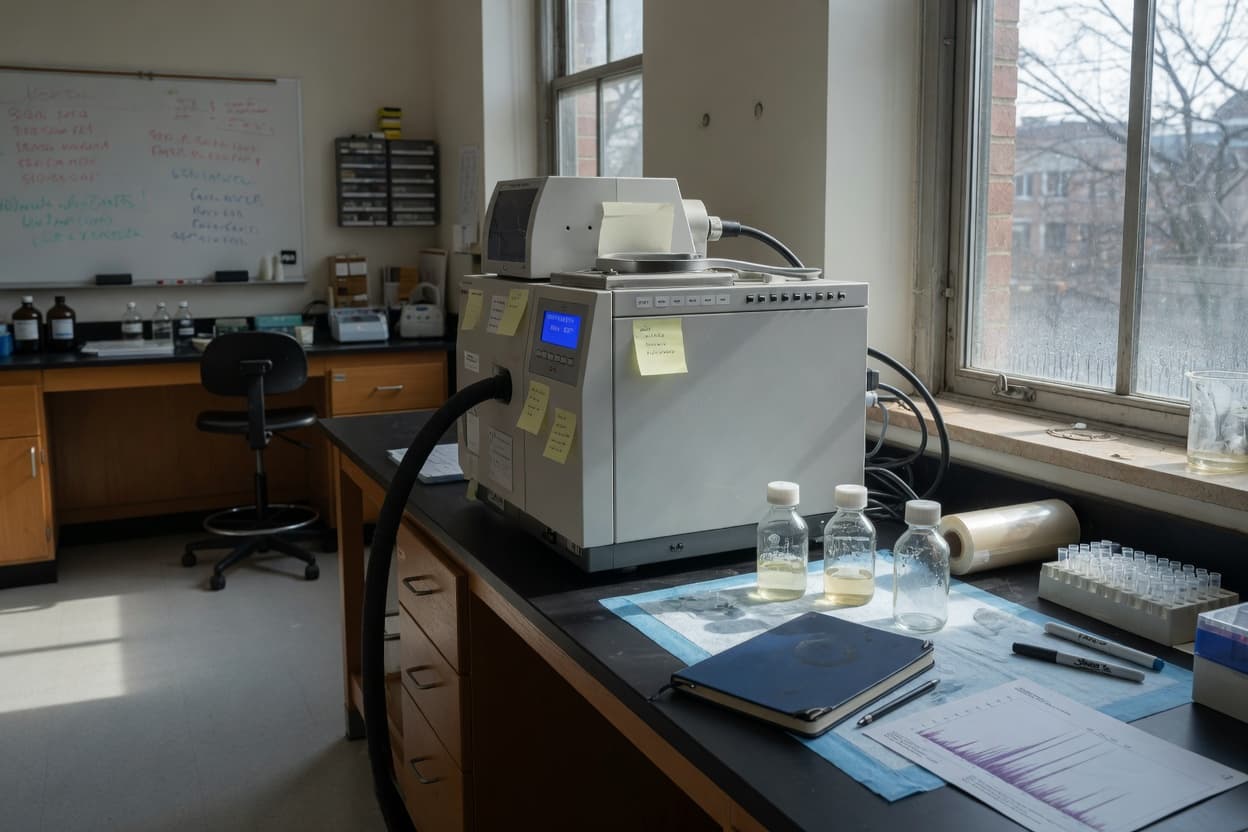
Study (laboratory bacteria, not a human trial). Sonja Blasche, Kiran Raosaheb Patil, and colleagues at the MRC Toxicology Unit, University of Cambridge, report in Molecular Systems Biology (2026; 22(9):1453; DOI 10.1038/s44320-026-00225-6). ScienceDaily ran it on 17 Oct 2026. They grew 25 gut bacterial species and exposed them to 39 low-calorie sweeteners. About three in four sweeteners changed the growth of at least one species, sometimes slowing or stopping it. Pairing sweeteners with caffeine, vanillin, advantame, or eight common pharmaceuticals produced more than 100 cases where the effect changed: 34 stronger, 68 weaker. Isosteviol plus the antidepressant duloxetine strongly slowed Roseburia intestinalis and Parabacteroides merdae, species tied to gut health and blood sugar regulation, and it lowered diversity in a 25-species community. The authors note more than 4.2 million U.S. patients were prescribed duloxetine in 2023. These are dishes and a model community, not people. Do not start, stop, or change a prescribed antidepressant because of this headline. Not medical advice. Not a substitute for a prescribed medicine. Off-label use is clinician-only.

Read at University of Cambridge / Molecular Systems Biology →♡ Save

  • Metabolic / glucose
  • sweetener
  • microbiome
  • lab

Fujita Health University / Neurochemistry International · 19 Oct 2026 · Supplements / medicine

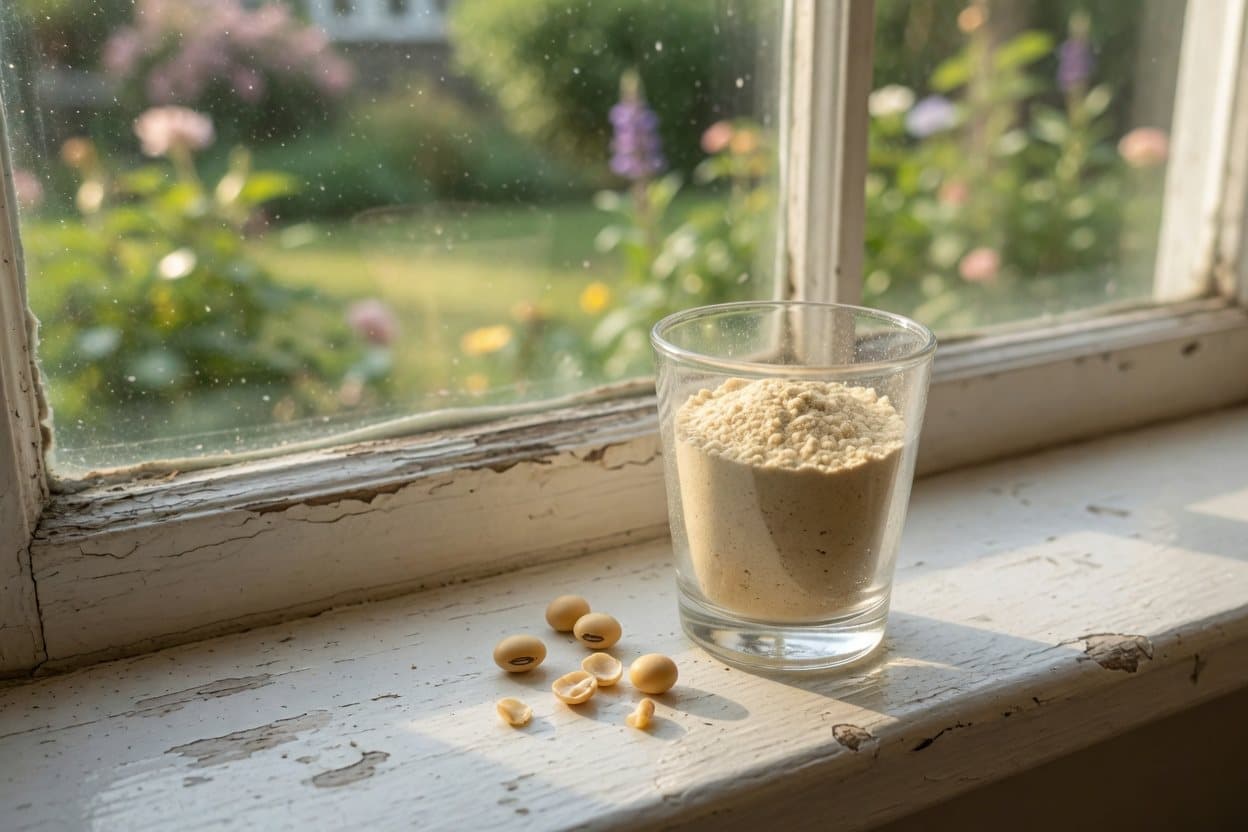
In mice on a high-salt diet, a soy phospholipid fraction lowered blood pressure and improved object memory

Study (mice). Hisayoshi Kubota, Akihiro Mouri, and colleagues at Fujita Health University, with Kazuhiro Kagotani of Tsuji Oil Mills, report in Neurochemistry International (2026; 197:106184; DOI 10.1016/j.neuint.2026.106184; online 14 May 2026). ScienceDaily ran it on 18 Oct 2026. Mice on a high-salt diet had higher blood pressure, less social interaction, and worse object-recognition memory, without a clear change in general movement or anxiety-like behavior. Adding LPC70, a soy lysolecithin in which lysophosphatidylcholine is more than 70 percent of the phospholipids, improved blood pressure, social interaction, and object memory. In kidney, the salt diet raised COX-2 and the PGE2 receptor EP3, and LPC70 reduced those rises. In prefrontal cortex, salt lowered the PGD2 receptor DP1, and LPC70 restored it without changing DP2. Tsuji Oil Mills funded the work and employs a coauthor. This is not a human trial and not a reason to start a supplement. Not medical advice. Not a substitute for a prescribed medicine.

Read at Fujita Health University / Neurochemistry International →♡ Save

  • Cardiovascular / lipids
  • soy
  • blood-pressure
  • mice

University of Edinburgh / Nature Medicine · 19 Oct 2026 · Aging

In the Lothian Birth Cohort 1936, faster cognitive decline lined up with abnormal myelin and lower NRF2 in support cells

Study (human brain tissue and mice). Georgina A. Craig, Véronique E. Miron, and colleagues at the University of Edinburgh and the UK Dementia Research Institute report in Nature Medicine (2026; 32(10):3661; DOI 10.1038/s41591-026-04608-y). ScienceDaily ran it on 17 Oct 2026. The Lothian Birth Cohort 1936 enrolled 1,091 people. Of them, 866 completed extra cognitive testing after age 70, covering memory, processing speed, and spatial understanding between ages 70 and 82. Nearly everyone declined, at different rates. In tissue after death, people with a steeper decline had fewer large nerve fibers and an abnormal buildup of unhealthy myelin, especially around the large fibers that remained. The pattern tracked the pace of decline, not a single test score. Those brains also had less NRF2 inside oligodendrocytes, the cells that make myelin. Mice with NRF2 lowered only in those cells grew excess myelin, lost large fibers, and showed smaller cognitive gains with age. A pathway already targeted in multiple sclerosis is a research lead, not a reason to use that treatment for ordinary aging. Not medical advice. Not a substitute for a prescribed medicine. Off-label use is clinician-only.

Read at University of Edinburgh / Nature Medicine →♡ Save

  • 60+
  • Cognitive / dementia research
  • myelin
  • cognition
  • cohort

Mount Sinai / Nature Communications · 19 Oct 2026 · Aging

In older mice, restoring the youth-linked factor TIMP2 helped brain immune cells clear debris

Study (mice). Brittany M. Hemmer, Joseph M. Castellano, and colleagues at the Icahn School of Medicine at Mount Sinai report in Nature Communications (2026; 17(1); DOI 10.1038/s41467-026-74906-z). ScienceDaily ran it on 17 Oct 2026. TIMP2 is a youth-linked factor. Mice missing it, in the whole body or in microglia or neurons, grew microglial features tied to aging and injury: weaker debris cleanup, shifted activation markers, and senescence-linked signatures. Fluid around brain cells carried more inflammatory and stress-related signals. Injections that put TIMP2 back into the circulation of older mice improved debris clearance and lowered inflammatory markers in microglia. The authors tie the work to brain aging and Alzheimer research. It is not a human treatment. Not medical advice.

Read at Mount Sinai / Nature Communications →♡ Save

  • Cognitive / dementia research
  • microglia
  • mice

Université libre de Bruxelles / Nature · 19 Oct 2026 · Research

In living mice filmed for five months, female skin stem cells stayed in step and closed wounds faster

Study (mice, plus human skin grown in the lab). Dan Engelman, Cédric Blanpain, Benjamin D. Simons, and colleagues at the Université libre de Bruxelles and the University of Cambridge report in Nature (published 14 Oct 2026; DOI 10.1038/s41586-026-11159-2). They followed individual epidermal stem cells through the skin of living mice for five months. In females, sister cells often made the same next choice together. In males, sister cells were less synchronized. Castration made male skin behave more like female skin; dihydrotestosterone restored the male pattern. Removing the ovaries slowed stem-cell multiplication and nearly erased the synchrony; estradiol restored proliferation. On back wounds, females closed the injury faster in the first days. Testosterone also sped differentiation in human skin reconstructed in the laboratory. This does not show that a hormone product will change human healing. Not medical advice.

Read at Université libre de Bruxelles / Nature →♡ Save

  • skin
  • hormones
  • mice

Yale University / Science Advances · 19 Oct 2026 · Research

In a crossover scan study, a cortisol pill made emotional pictures easier to remember the next day

Study (human crossover, brain scans). Yuye Huang, Elizabeth V. Goldfarb, and colleagues at Yale report in Science Advances (2025; 11(50); DOI 10.1126/sciadv.adz4143). ScienceDaily recirculated it on 16 Oct 2026. Each participant took hydrocortisone or a placebo, looked at pictures in an MRI scanner, rated how emotional each picture felt, and was tested the next day. The public summary does not give the number of volunteers or their ages. Cortisol improved memory for emotionally significant pictures. In short, about five-second windows of scan data, emotion networks became more consistent and more engaged, memory networks became more specialized for emotional content, and the two networks coordinated more. The same person was scanned under both conditions, double-blind. This is not a reason to take a cortisol product to study. Not medical advice.

Read at Yale University / Science Advances →♡ Save

  • memory
  • cortisol
  • scans

University of Michigan / Journal of Clinical Investigation · 19 Oct 2026 · Research

In mice and nonhuman primates, the tripeptide DT-109 lowered a gut bacterium tied to severe fatty liver

Study (mice and nonhuman primates). Pengxiang Qu, Y. Eugene Chen, and colleagues at the University of Michigan and partner labs report in the Journal of Clinical Investigation (2026; 136(13):e200522; DOI 10.1172/JCI200522; 1 Jul 2026). ScienceDaily recirculated it on 17 Oct 2026. They tie severe fatty-liver inflammation, which they say affects about 7 percent of people worldwide, to overgrowth of Clostridium perfringens and the ammonia that bacterium makes. Ammonia can weaken the intestinal lining so microbial products reach the liver and overactivate CD8 T cells. The glycine tripeptide DT-109 lowered that bacterium and ammonia in mice and in nonhuman primates, tightened the intestinal lining, and in the primates reduced liver inflammation and disease severity. Earlier work from the same group found the compound reduced artery plaque in nonhuman primates. The university holds a patent, licensed it to Diapin Therapeutics, and Chen has an ownership interest; Diapin supplied the compound. This is not a human trial. Not medical advice.

Read at University of Michigan / Journal of Clinical Investigation →♡ Save

  • Metabolic / glucose
  • Cardiovascular / lipids
  • liver
  • microbiome
  • animal

Northwestern University / Buck Institute / Aging Cell · 18 Oct 2026 · Nutrition

In ovaries from 28 women ages 50 to 75, the tissue kept remodeling for decades after menopause

Study (human tissue, not a trial). Mark A. Watson, Francesca Duncan, Birgit Schilling, and colleagues at the Buck Institute and Northwestern report in Aging Cell (first published 13 Oct 2026; DOI 10.1111/acel.70714). They measured healthy, non-pathological ovaries from 28 postmenopausal women ages 50 to 75, grouped as 50–59, 60–69, and 70 and older, and quantified 5,812 protein groups. The organ did not look stagnant. Compared with ages 50–59, ovaries at 70 and older shifted toward extracellular-matrix remodeling, inflammatory signaling, and complement activation, which the authors bundled as a 26-protein signature they call BuckPOMS. They checked two extracellular proteins, WNT4 and fibromodulin, by immunohistochemistry. This describes donated tissue. It does not show that the shift causes later disease, and it is not a treatment test. Not medical advice.

Read at Northwestern University / Buck Institute / Aging Cell →♡ Save

  • Women
  • 40–59
  • 60+
  • menopause
  • ovary
  • proteome
  • aging
  • inflammation
  • study

Fudan University / American Journal of Clinical Nutrition · 18 Oct 2026 · Nutrition

In 5,203 adults ages 80 and older in China, a vegetarian pattern lined up with lower odds of reaching 100, mainly when body weight was low

Study (nested case-control in a cohort). Yaqi Li and colleagues report in the American Journal of Clinical Nutrition (online 12 Dec 2025; February 2026 issue; DOI 10.1016/j.ajcnut.2025.101136) using the Chinese Longitudinal Healthy Longevity Survey. Of 5,203 people ages 80 and older, 1,459 later reached 100 and 3,744 died before 100. Mean age was about 94, about 61.5 percent were women, and median follow-up was 4 years. Relative to omnivores, vegetarians had lower odds of becoming centenarians (odds ratio 0.81, 95 percent CI 0.69 to 0.96). Vegans were lower still (0.71, 0.54 to 0.98). Pesco-vegetarians and ovo-lacto-vegetarians were not clearly different from omnivores. The gap was in people with body mass index under 18.5 (0.72, 0.57 to 0.91), not in those at or above 18.5 (0.92, 0.73 to 1.17). News coverage of the same paper said the association appeared in women and not in men; the journal abstract highlights the weight split. This is one national cohort, not a reason to add or drop a food. Not medical advice.

Read at Fudan University / American Journal of Clinical Nutrition →♡ Save

  • 60+
  • diet
  • centenarian
  • cohort
  • longevity
  • study

Journal of the International Society of Sports Nutrition · 18 Oct 2026 · Supplements / medicine

Across 7 trials and 608 postmenopausal women, creatine plus resistance training lined up with a small gain in lean mass

Study (systematic review and meta-analysis). A review in the Journal of the International Society of Sports Nutrition (DOI 10.1080/15502783.2026.2668435) pooled 7 randomized trials in 608 postmenopausal women, mean age about 62, lasting 12 to 104 weeks (median 38). Lean mass in 5 trials (338 women) favored creatine by 0.37 kg (95 percent CI 0.05 to 0.69). Leg-press strength in 3 trials (111 women) favored creatine by 7.5 kg (2.2 to 12.8). The gain showed up at doses of at least 5 grams a day together with resistance training. Trials at 3 grams a day or less without training did not show a measurable effect. Bone density did not change overall. Side effects were mild and similar to placebo, and kidney lab measures were unchanged. Most trials had some concerns about bias, and the review was not prospectively registered. This is not a reason to start a supplement. Not medical advice. Not a substitute for a prescribed medicine.

Read at Journal of the International Society of Sports Nutrition →♡ Save

  • Women
  • 60+
  • creatine
  • strength
  • review
  • fitness
  • nutrition
  • study

Duke-NUS / PNAS · 18 Oct 2026 · Exercise

In flies and aging mice, exercise lowered DEAF1 and rebalanced a growth signal tied to muscle repair

Study (fruit flies and mice). Sze Mun Choy, Hong-Wen Tang, and colleagues at Duke-NUS Medical School, with Singapore General Hospital and Cardiff University, report in PNAS (24 Nov 2025; DOI 10.1073/pnas.2508893122). Science outlets recirculated the paper on 15 Oct 2026. DEAF1 rose in aging muscle, increased mTOR transcription, and left the growth complex mTORC1 overactive, with worse turnover of damaged proteins. Exercise lowered Deaf1 through FOXO. Blocking FOXO, or forcing DEAF1 higher, blocked those exercise effects in the animals. Raising DEAF1 weakened muscle; lowering it improved the balance of building and cleanup. This is not a human treatment and does not prove the same switch explains muscle loss in people. Not medical advice.

Read at Duke-NUS / PNAS →♡ Save

  • muscle
  • animal
  • aging
  • fitness
  • study

UC Berkeley / Cell · 18 Oct 2026 · Research

In mice, deep sleep and growth hormone formed a two-way circuit that also pushed the brain toward waking

Study (mice). Xinlu Ding, Yang Dan, and colleagues at UC Berkeley, with Jun Ding at Stanford, report in Cell (2025; 188(18):4968; DOI 10.1016/j.cell.2025.05.039). ScienceDaily ran the finding again on 17 Oct 2026. In the hypothalamus, growth-hormone-releasing hormone neurons and somatostatin neurons supported growth-hormone release in both REM and non-REM sleep, by different activity patterns. As the hormone built up, it stimulated the locus coeruleus, a brainstem region tied to alertness, which fed back toward waking. The authors say too little sleep would cut hormone release, and too much hormone activity can push the brain awake. They tie that balance to repair and to how the body handles fat and glucose. Mice sleep in short bouts, and this is not a human therapy. Not medical advice.

Read at UC Berkeley / Cell →♡ Save

  • Metabolic / glucose
  • sleep
  • hormone
  • mice
  • cognition
  • study

VitaLonga is an educational longevity resource, not a pharmacy, clinic, or doctor. Content is not medical advice and is not intended to diagnose, treat, cure, or prevent any disease (DSHEA). Supplements can interact with medications and are not appropriate in every pregnancy or health condition. Consult a licensed clinician, especially if you take medications, are pregnant or nursing, or have a diagnosed condition.