VitaLonga

Desk

News archive

Every story stays here. Filter by topic, search older headlines, and save favorites to your member record. Educational notes only — not medical advice.

Saved (sign in)

465 stories

EurekAlert / University of Southern California · 24 Sept 2026 · Supplements / medicine

More older Americans take five or more drugs, and about 1 in 5 still face a major interaction

Study (repeated cross-section). Dima Qato and colleagues report in JAMA (24 September 2026; doi 10.1001/jama.2026.17268) on nearly 5,000 community-dwelling US adults ages 62 to 85, comparing 2015–2016 with 2021–2023. Use of any prescription medication stayed about 84%, and any dietary supplement about 66%. Polypharmacy, five or more prescription medications at once, rose from 31% to 35.7%. Dietary-supplement polypharmacy rose from 12.6% to 16.7%. Regimens with a potentially major drug interaction fell from 25.7% to 22.3%, so more than 1 in 5 people were still in that group. Antidepressants, statins, and antiplatelet therapies were the classes most often involved. This is a surveillance snapshot, not advice to start or stop a medication or a supplement. Changes belong with a clinician. Educational notes.

Read at EurekAlert / University of Southern California →♡ Save

  • 60+
  • study
  • nutrition
  • off-label-context

Hefei Institutes of Physical Science / ScienceDaily · 24 Sept 2026 · Aging

In worms, a magnet-making bacterium extended average lifespan by about 43 percent

Study (animal, C. elegans only). An Xu and colleagues report in Free Radical Biol. Med. (doi 10.1016/j.freeradbiomed.2026.06.050; epub 26 June 2026; ScienceDaily 24 September 2026). Feeding the magnetotactic bacterium Magnetospirillum magneticum AMB-1 raised mean worm lifespan by 43.39 percent, from 17.17 plus or minus 1.25 days to 24.62 plus or minus 1.44 days, and the treated worms kept better neurological function and intestinal integrity at older ages. Wild-type AMB-1, which makes magnetosomes, outperformed a reversibly non-magnetotactic strain. A non-magnetotactic strain did not extend lifespan. Versus the usual E. coli OP50 feeding, AMB-1 lowered ferrous iron by 34.11 percent and lipid peroxides by 52.19 percent, consistent with less aging-related ferroptosis. The bacterium raised ftn-1 (ferritin) and lowered bli-3, the worm NADPH oxidase homolog tied to ferroptosis. RNA interference of ads-1 indicated that gene was required for the lifespan effect. This is a roundworm experiment. It is not a product for people, and it is not evidence that magnetic bacteria lengthen human life. Educational aging notes.

Read at Hefei Institutes of Physical Science / ScienceDaily →♡ Save

  • study
  • longevity

Journal of Cachexia, Sarcopenia and Muscle · 24 Sept 2026 · Exercise

Supervised exercise tracked better function and a shift in frailty markers near age 80

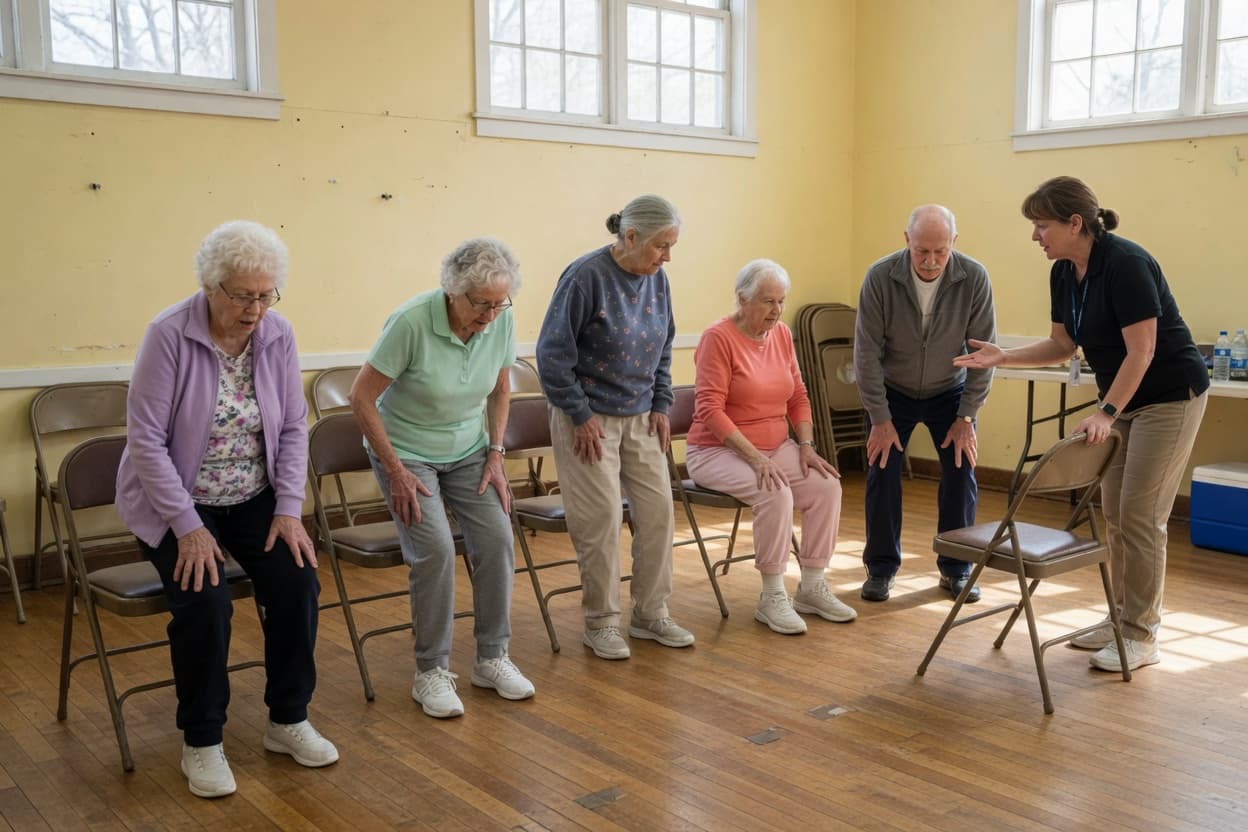
Study (human exercise intervention). Diego Marcos-Perez and colleagues report in the Journal of Cachexia, Sarcopenia and Muscle (doi 10.1002/jcsm.70362; 24 September 2026) on a multicentre comparison of a control group and a supervised exercise group in older adults, plus a separate testosterone-suppressed group of older men on androgen deprivation for prostate cancer. The control group had 24 people (14 women, 10 men; median age 80 plus or minus 5). The exercise group had 44 people (38 women, 6 men; median age 79 plus or minus 4). In the exercise group, Short Physical Performance Battery rose from 9.1 to 10.1, grip strength from 16.9 to 18.3 kg, and gait speed from 0.78 to 0.85 m/s. A sarcopenia score fell from 3.0 to 2.1, and Fried frailty criteria fell from 2.1 to 1.6 (all p at or below 0.004 within that before-after comparison). ANCOVA attributed better SPPB (p = 0.04) and grip strength (p < 0.005) to exercise versus control. Four of six FRAILOMIC markers (miR125b, miR194, RAGE, troponin) and six of seven BIOFRAIL markers (EGR1, CXCL8, GOS2, NSF, DDX11L1, miR454) reversed after training. Those marker shifts were not seen in 21 testosterone-suppressed men, who lost muscle. Latent class analysis called 36 people responders (32 from the exercise group) and 29 non-responders. miR454, EGR1, DDX11L1, and troponin best separated responders, and the BIOFRAIL trio miR454, EGR1, and DDX11L1 had an AUC of 0.83 for response. The public record does not state program length here. Mostly women, with men included. Association of a delivered program with function and blood or tissue markers, not a promise that any class reverses frailty. Educational exercise notes.

Read at Journal of Cachexia, Sarcopenia and Muscle →♡ Save

  • Women
  • Men
  • 60+
  • study
  • fitness
  • aging

News-Medical / Scientific Reports · 24 Sept 2026 · Supplements / medicine

Beetroot juice did not make trained swimmers faster in a pooled review

Study (systematic review and meta-analysis). Vega-Monzo, Ranchal-Sanchez, Jurado-Castro, and colleagues report in Scientific Reports (doi 10.1038/s41598-026-65495-4; News-Medical 24 September 2026). Searches of Web of Science, PubMed, and Scopus through 11 June 2026 found 12 eligible trials; nine, with 120 swimmers, could be pooled. Designs were mostly randomized crossovers of beetroot juice or nitrate against placebo. The included athletes were mostly young adult or university-level swimmers of both sexes, from moderately trained to elite, so this does not describe older swimmers. Most tests were 50 to 100 metres, with some repeated sprints; one trial used a 168 metre backstroke. Time-trial performance did not differ from placebo overall, and subgroups for sprints of 30 seconds or less, 30 to 90 seconds, and efforts longer than 90 seconds also showed no clear effect. Post-exercise lactate, from six studies and 69 swimmers, was similar. Perceived exertion, from seven studies and 100 swimmers, was slightly lower, but the studies disagreed and the easier feeling did not show up as faster swimming. Three trials were low risk of bias, six had some concerns, and three were high risk. GRADE certainty for performance was low because of bias and imprecision. The authors say current evidence does not support beetroot juice as a general performance aid for competitive swimming under the protocols studied, and a small effect cannot be ruled out. Educational supplement notes. Not a recommendation to take nitrate products.

Read at News-Medical / Scientific Reports →♡ Save

  • Women
  • Men
  • Under 40
  • study
  • fitness

Washington University / EurekAlert · 24 Sept 2026 · Aging

In nearly 200 people with early Alzheimer symptoms, 34 blood proteins shifted during lecanemab therapy

Study (clinical cohort). Rui Mu, Suzanne Schindler, Carlos Cruchaga, and colleagues at Washington University report in Lancet Neurol. (doi 10.1016/S1474-4422(26)00284-X; EurekAlert 24 September 2026). Nearly 200 people with early Alzheimer symptoms and amyloid buildup received lecanemab infusions every two weeks for up to two years at one high-volume clinic. Blood was drawn about every six months. The team measured 130 plasma proteins. Thirty-four changed during therapy. Several Alzheimer-related markers, including phosphorylated tau, moved back toward levels seen in 458 people with no cognitive impairment and no amyloid buildup. Inflammatory proteins rose, which the authors read as microglia clearing amyloid, and those rises did not track faster cognitive decline. A comparison group of 1,312 people with cognitive impairment who were not on this therapy was also included. The authors say a blood panel, if later validated, might help judge how long therapy should continue. It does not restore memory, and brain scans are still the check used now. Age and sex were not given in the release. Educational notes. Not a suggestion to start or stop therapy.

Read at Washington University / EurekAlert →♡ Save

  • Cognitive / dementia research
  • study
  • cognition
  • inflammation

University of Colorado Anschutz / GeroScience · 24 Sept 2026 · Aging

In nearly 1,400 adults with earlier kidney disease, frailty doubled later cognitive-test decline in men, not in women

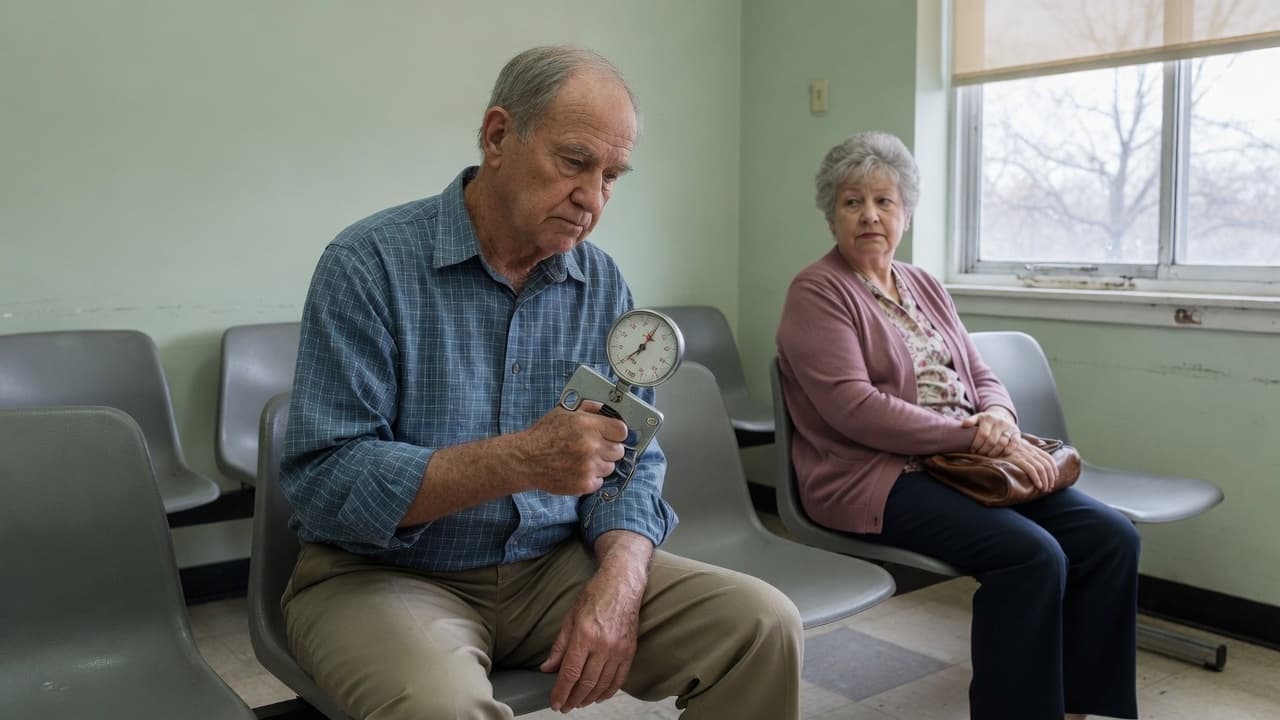
Study (observational cohort). Stephanie Lapierre-Nguyen, Ester Oh, and colleagues in the Division of Renal Diseases and Hypertension at the University of Colorado Anschutz report in GeroScience (doi 10.1007/s11357-026-02395-5; Medical Xpress 24 September 2026) on the Chronic Renal Insufficiency Cohort. Nearly 1,400 adults with mild to moderate chronic kidney disease who were not on dialysis were scored for frailty (including hand-grip) and followed with the Modified Mini-Mental State Examination (3MS). Across the whole group, frailty did not line up with later cognitive impairment. Split by sex, women were more often frail (16% versus 9% of men), but men were more likely to develop cognitive impairment. Frail men had more than twice the risk of later 3MS decline versus non-frail men. Frail women did not show that pattern. The authors suggest social support and daily habits may differ by sex; they did not prove a cause. Educational notes. This is not a diagnosis tool.

Read at University of Colorado Anschutz / GeroScience →♡ Save

  • Women
  • Men
  • 40–59
  • 60+
  • Cognitive / dementia research
  • study
  • cognition

EurekAlert / University of Nottingham · 23 Sept 2026 · Aging

Shielding fruit flies from Earth's magnetic field changed lifespan and mitochondria in opposite ways

Study (animal). Lisa Chakrabarti, Jacob Reed, and colleagues report in Aging (23 September 2026) that near-zero magnetic shielding changed mitochondrial respiration, superoxide, movement, and lifespan in fruit flies, and the direction depended on mitochondrial health. Flies with a Pink1 defect, a model tied to inherited early-onset Parkinson's, lived about 20% longer when shielded but moved worse. Healthy flies did not gain that lifespan; their movement improved while health span was affected. Not a human aging treatment. Educational research notes.

Read at EurekAlert / University of Nottingham →♡ Save

  • study
  • longevity

UCLA Health · 23 Sept 2026 · Supplements / medicine

A 12-month estriol-plus-progesterone case series tracked less menopause brain fog in 20 women

Study (observational case series, not a randomized trial). Rhonda Voskuhl and colleagues report in Scientific Reports that 20 menopausal women, average age 53, described less brain fog and better concentration, working memory, processing speed, verbal memory, and problem-solving after 12 months on a customized estriol-plus-progesterone regimen, compared with their own baseline. There was no placebo group. In midlife female mice, estriol lowered hippocampal pathology markers and improved working and spatial memory. Estriol is a prescription hormone, not a supplement, and no treatment is FDA-approved specifically for menopause cognitive symptoms. The regimen was invented by the senior author; UCLA licenses it to CleopatraRX (sold as PearlPAK), and Voskuhl is a medical advisor to that company. Clinician-only. Not medical advice and not a substitute for prescribed care.

Read at UCLA Health →♡ Save

  • Women
  • 40–59
  • study
  • cognition
  • off-label-context

News-Medical / Nature journal · 23 Sept 2026 · Aging

Menopause blood markers tracked brain aging and later dementia risk in women

Study (observational). Alexander and colleagues report in a Nature journal (doi 10.1038/s41591-026-04648-4; News-Medical 23 September 2026) that a menopause score built from 16 circulating markers rose from premenopause to postmenopause in 80 women aged 43–58 (30 pre, 26 peri, 24 post), more tightly with menopause stage and FSH than with age. Thirty-six age-matched men did not show that age link. In 2,814 UK Biobank women aged 45–60, nine of 13 compared markers replicated. Postmenopausal women of the same age had less favorable proteomic organ-aging estimates, including brain and artery. In 89 women averaging about 69, higher scores tracked a history of hot flashes, sleep problems, and more menopause symptoms. In later-life cohorts with mean ages about 61 to 72, higher scores tracked less favorable cognitive change in ADNI and BrANCH, lower cross-sectional cognition in WRAP, and a higher risk of incident Alzheimer dementia in UK Biobank, not all-cause, vascular, or frontotemporal dementia. Small discovery sample, cross-sectional start, self-reported symptoms. Association, not proof that menopause markers cause dementia. Educational aging notes.

Read at News-Medical / Nature journal →♡ Save

  • Women
  • 40–59
  • 60+
  • Cognitive / dementia research
  • study
  • cognition
  • sleep

EurekAlert / UC San Francisco · 23 Sept 2026 · Nutrition

In a 20-person pilot, cutting ultra-processed food tracked lower depression scores

Study (pilot crossover). Chagwedera, Krystal, and colleagues report in JAMA Psychiatry (23 September 2026; doi 10.1001/jamapsychiatry.2026.2320; UCSF release the same day). Twenty adults with depression, high ultra-processed food intake, high BMI, and at least one of hypertension, diabetes, or elevated LDL cholesterol — mean age 43.7 years, range 18 to 80, about 70% women — spent four weeks on their usual food and four weeks on a low ultra-processed food pattern they shopped for themselves. Nineteen finished. Intake scores fell from about 10.1 to about 1.4, described as more than an 85% cut, and depression scores were moderately to largely lower on three measures during the low ultra-processed phase. Anxiety scores improved modestly. Activity, sleep, and usual care were held steady. Self-reported intake, no objective food assay, and no adverse events reported. A feasibility pilot, not proof that this food pattern treats depression. Educational nutrition notes.

Read at EurekAlert / UC San Francisco →♡ Save

  • Cardiovascular / lipids
  • Metabolic / glucose
  • study
  • sleep

PLOS Medicine / ScienceDaily · 23 Sept 2026 · Aging

In 95,559 people, more REM sleep tracked a lower risk of 83 later diseases

Study (observational cohort). Jingsong Luo, Shengzhi Sun, Rui Chen, and colleagues report in PLOS Med. (17 September 2026; doi 10.1371/journal.pmed.1005213; ScienceDaily 23 September 2026). Wrist accelerometers worn for seven nights by 95,559 UK Biobank participants were scored with a deep-learning model for REM, deep, and light sleep, total duration, wakefulness after sleep onset, and night-to-night irregularity. Follow-up lasted a median of 8.9 years, against more than 1,000 disease outcomes. Per interquartile range of REM (47.6 minutes), more REM sleep lined up with lower risk of 83 diseases, including heart failure (hazard ratio 0.74), dementia (0.54), and Parkinson disease (0.20). More deep sleep lined up with lower risk of 7 conditions, including type 2 diabetes and major depressive disorder. More irregular sleep and more wakefulness after sleep onset lined up with higher risk of several conditions, including anxiety and substance use disorders. Total sleep showed a U-shaped pattern for many diseases, with the lowest risk mostly inside 6 to 8 hours; sleeping under 5 hours lined up with higher risk of 37 conditions. After Bonferroni correction, 156 sleep-pattern associations remained. The authors describe the 6-to-8-hour window as a safeguard pattern for middle-aged and older adults. This cannot show that changing sleep stages causes fewer diseases. Educational research notes.

Read at PLOS Medicine / ScienceDaily →♡ Save

  • 40–59
  • 60+
  • Cardiovascular / lipids
  • Cognitive / dementia research
  • Metabolic / glucose
  • study
  • sleep
  • cognition

EurekAlert · 22 Sept 2026 · Nutrition

Excess free cysteine pried iron from ferritin and killed cells via mitochondria in a Rockefeller study

Study (cell). Toshitaka Nakamura, Kivanç Birsoy and Rockefeller colleagues report in Nature Metabolism that excess cysteine mobilizes iron from ferritin, floods mitochondria via SLC25A28, and triggers iron-dependent cell death. Glutathione does not do this, which may explain why cells spend energy packing cysteine into glutathione. Cell biology, not a diet trial. Educational research notes, not an amino-acid warning label.

Read at EurekAlert →♡ Save

  • study

VitaLonga is an educational longevity resource, not a pharmacy, clinic, or doctor. Content is not medical advice and is not intended to diagnose, treat, cure, or prevent any disease (DSHEA). Supplements can interact with medications and are not appropriate in every pregnancy or health condition. Consult a licensed clinician, especially if you take medications, are pregnant or nursing, or have a diagnosed condition.