VitaLonga

Desk

News archive

Every story stays here. Filter by topic, search older headlines, and save favorites to your member record. Educational notes only — not medical advice.

Saved (sign in)

465 stories

University Hospital of Freiburg / EASD via Medical Xpress · 27 Sept 2026 · Supplements / medicine

In 27,870 adults on basal insulin, a glucose sensor tracked a 44% lower risk of death at one year

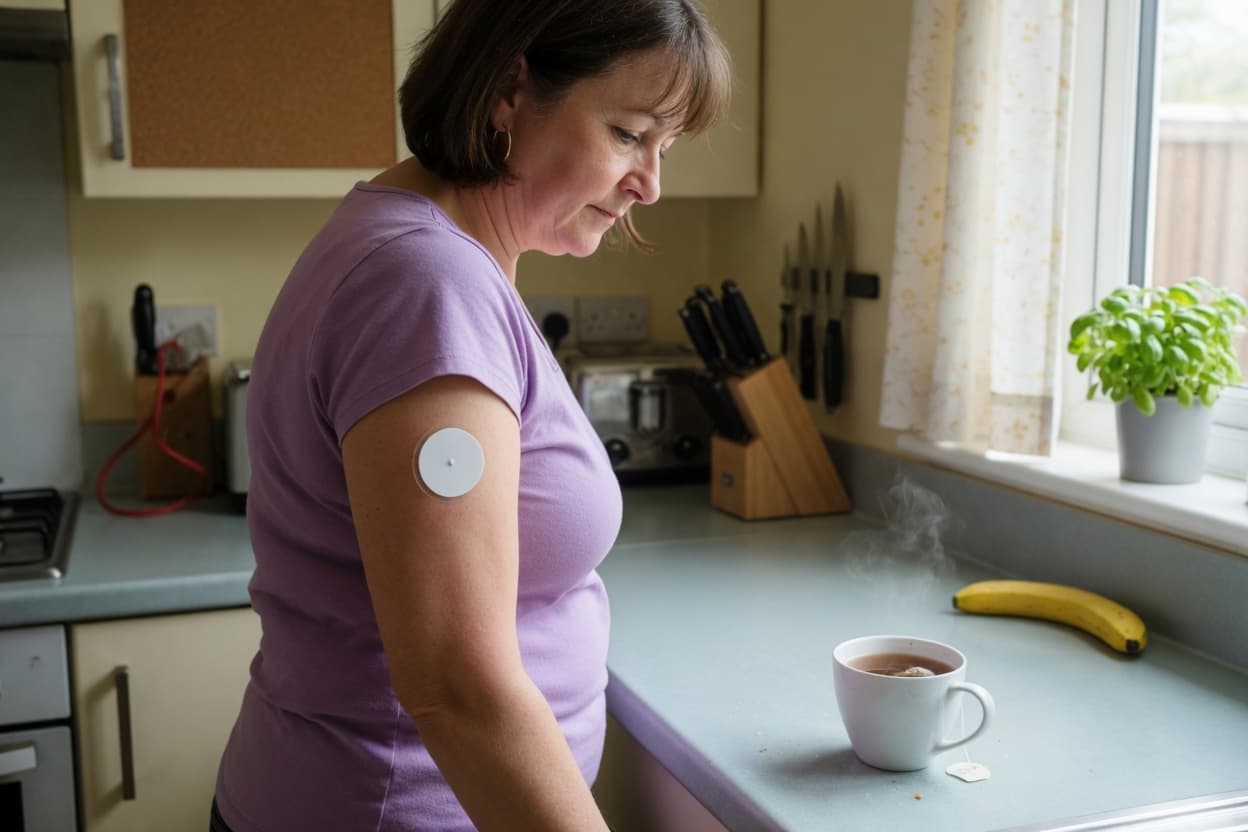
Study (observational). Jochen Seufert of the University Hospital of Freiburg and colleagues, using the Truveta records platform, compared adults with type 2 diabetes on basal insulin who filled a first continuous glucose monitor prescription with matched adults who did not (EASD, Milan; Medical Xpress 27 September 2026). Each group had 13,935 people, matched on 29 characteristics including age, sex, diabetes duration, complications, HbA1c, other illnesses, medicines, and how often they used care. Average age was 58, and 47% were women. Records ran from 1 January 2017 to 18 March 2024. At 12 months, death from any cause occurred in 1.16% of sensor users and 2.09% of non-users, a 44% lower risk. At 24 months the risk was 35% lower (2.12% versus 3.26%). A new macrovascular event — heart attack, heart failure, stroke, transient ischemic attack, or peripheral artery disease — was 26% less common at 12 months (1.03% versus 1.39%) and 24% less common at 24 months. Recurrent events were 35% and 36% lower at those two points. Heart-failure hospitalizations were 54% lower at 12 months and 47% lower at 24 months. The authors say this cannot prove the sensor caused the difference, because unmeasured differences can remain, and later medicine changes were not tracked. It is not advice to start or change insulin. Educational notes.

Read at University Hospital of Freiburg / EASD via Medical Xpress →♡ Save

  • 40–59
  • Cardiovascular / lipids
  • Metabolic / glucose
  • study
  • off-label-context

UF Health / Nature Metabolism · 27 Sept 2026 · Supplements / medicine

In UF health records, glucosamine use lined up with a 25% higher chance that mild cognitive impairment later became dementia

Study (observational records plus lab). Ramon C. Sun, Matthew S. Gentry, and colleagues at the University of Florida report in Nature Metabolism (2026; 8(6):1410; doi 10.1038/s42255-026-01538-4; ScienceDaily 27 September 2026). In deidentified UF Health records from 2012 to 2024, 8% of people with Alzheimer-related dementia (1,896) and 8% with mild cognitive impairment (2,750) reported the joint supplement glucosamine. After age, sex, and demographics, glucosamine use lined up with a 25% higher chance that mild cognitive impairment progressed to dementia, and with a 25% higher mortality risk among people who already had dementia (not in the mild-impairment group). Records show association, not cause. In Alzheimer mouse models, glucosamine raised sugar tags on proteins and worsened social-memory tests; blocking that tagging improved memory. Human Alzheimer brain tissue also showed more of those sugar tags than control tissue. The authors say a controlled trial is needed before anyone changes glucosamine use. Educational notes. This is not medical advice and is not a reason to start or stop a joint product without a clinician.

Read at UF Health / Nature Metabolism →♡ Save

  • 60+
  • Cognitive / dementia research
  • study
  • cognition
  • aging

Cleveland Clinic / New England Journal of Medicine · 27 Sept 2026 · Supplements / medicine

In 15 people, one CRISPR infusion aimed at ANGPTL3 cut LDL 52.5% and triglycerides 47.8% at one year

Study (phase 1, small). Luke J. Laffin, Steven E. Nissen, and colleagues at Cleveland Clinic report one-year follow-up of CTX310 in the New England Journal of Medicine (doi 10.1056/NEJMc2609825; presented at the 2026 European Society of Cardiology meeting; ScienceDaily 27 September 2026). Fifteen people with lipid disorders that had not responded adequately to usual care received a single infusion of a CRISPR-Cas9 editor delivered to the liver to switch off ANGPTL3, a gene that helps keep fats in the blood. Doses ranged from 0.1 to 0.8 mg/kg. At the highest dose, LDL cholesterol was 52.5% lower and triglycerides 47.8% lower at 12 months versus baseline. No serious events related to CTX310 were reported in that year. The product remains experimental. Researchers plan 15 years of safety follow-up. The work was funded by CRISPR Therapeutics. Educational notes. This is not available care and is not a reason to stop a lipid plan.

Read at Cleveland Clinic / New England Journal of Medicine →♡ Save

  • 40–59
  • Cardiovascular / lipids
  • study

European Society for Emergency Medicine / EurekAlert · 26 Sept 2026 · Research

In an emergency trial, a virtual forest plus classical music lowered blood pressure a little faster

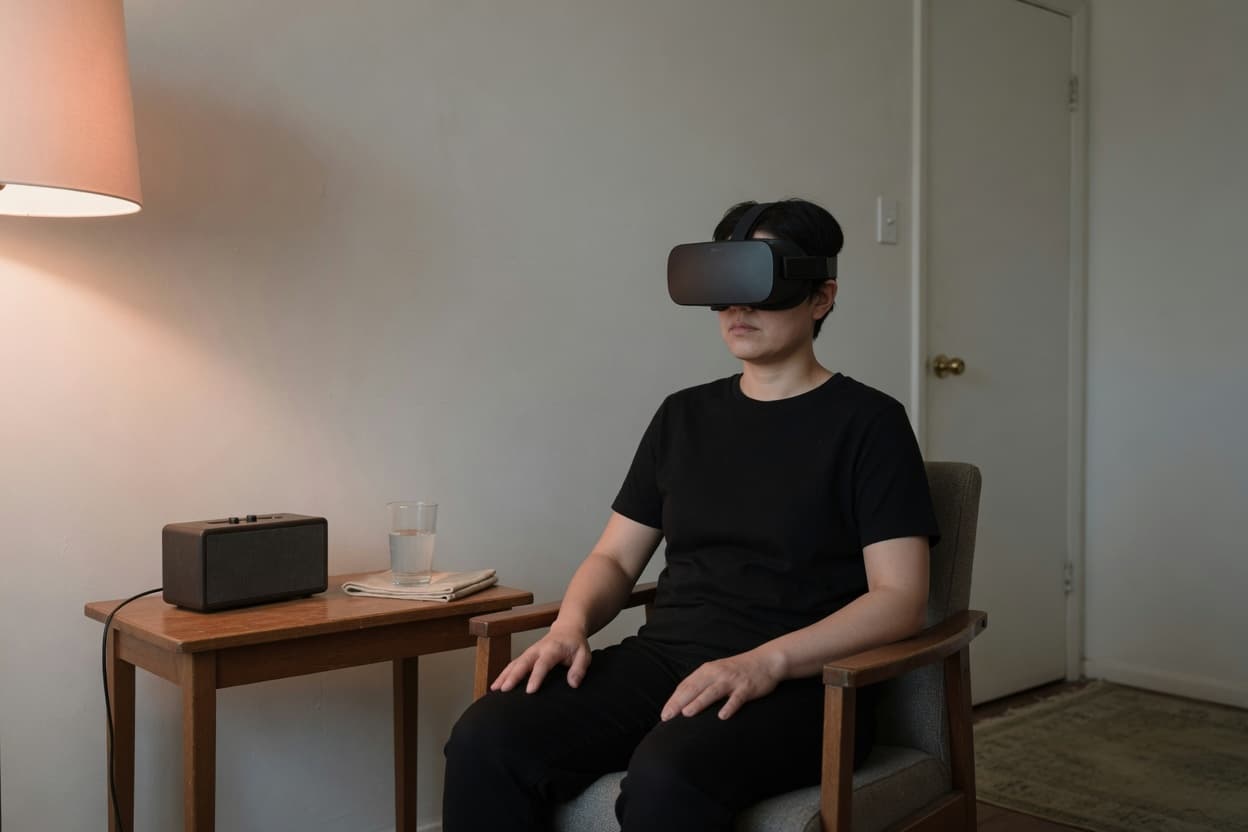
Study (randomized trial, congress report). Safa Donmez, Kadir Yenal, and colleagues presented at the European Emergency Med. Congress in Paris (abstract OA071; EurekAlert 25 September 2026; session 26 September 2026). One hundred thirty adults with hypertensive urgency, blood pressure high enough to treat but without signs of acute organ damage, were split into 65 and 65. Everyone received standard pressure-lowering treatment. The intervention group also wore a headset showing a river through a forest and listened to a classical playlist. Mean arterial pressure in the control group fell from 138 mmHg to 126 at 15 minutes and 119 at 30 minutes (about 8 percent and 14 percent). In the headset group it fell from 132 mmHg to 116 and then 112 (about 12 percent and 15 percent). The extra drop was about 4 to 5 mmHg at 15 minutes and was statistically significant; from 60 minutes the groups were essentially the same. Trait-anxiety scores started higher in the headset group (about 46 versus 38) and fell by about eight points versus about four. No one dropped out. Limits: one hospital, two-hour follow-up, headset and music always used together, groups differed at the start, and staff could see who had the headset. Felix Lorang, who was not an author, said the approach was studied in addition to that treatment, not instead of it. Educational research notes. Not a home treatment for a hypertensive emergency.

Read at European Society for Emergency Medicine / EurekAlert →♡ Save

  • Cardiovascular / lipids
  • study

City University of Hong Kong / EurekAlert · 26 Sept 2026 · Exercise

Around age 70, less ultra-processed food plus regular activity tracked a lower type 2 diabetes risk

Study (observational). Wenxin Xu and colleagues at City University of Hong Kong analysed 56,964 UK Biobank adults (mean age 69.5 years; 42.3% men) for an EASD presentation (EurekAlert 26 September 2026). Ultra-processed food was scored with the Nova system. Moderate-to-vigorous physical activity came from a week of wrist trackers. Over 7.8 years, 926 people developed type 2 diabetes. Each extra 10% of the diet by weight from ultra-processed food tracked a 7% higher risk. Meeting the World Health Organization mark of at least 150 minutes a week of that activity tracked a 39% lower risk than doing less. In the high genetic-risk group, a low ultra-processed share (about 11% or less by weight) tracked a 35% lower risk, and meeting the activity mark tracked a 33% lower risk. Together, the lower ultra-processed pattern plus that activity tracked a 49% lower risk in the high genetic-risk group, 70% in the intermediate group, and 59% in the low group. Among people whose diet was about 33% or more ultra-processed by weight, meeting the activity mark still tracked a 31%, 57%, and 58% lower risk across high, intermediate, and low genetic risk. This is an association, not proof that a kitchen change or a walking habit prevents diabetes. Educational notes.

Read at City University of Hong Kong / EurekAlert →♡ Save

  • 60+
  • Metabolic / glucose
  • study
  • fitness
  • nutrition

University of Glasgow / EurekAlert · 26 Sept 2026 · Research

In 1.6 million new type 2 diabetes diagnoses, one in three had kidney disease, heart failure, or had died within five years

Study (observational). Naveed Sattar of the University of Glasgow and colleagues present CALOR program data at EASD (EurekAlert 26 September 2026). They followed 1,617,508 people in the United States with a new type 2 diabetes diagnosis between 1 January 2010 and 31 March 2024. Mean age at entry was 59 years, and 51% were women. Among the 13% with a recorded body mass index, the median was 30.9. About 72% also had dyslipidaemia and 68% had high blood pressure. The combined risk of chronic kidney disease, heart failure, or death was 33% within five years and 55% within 10 years. Kidney disease came first more often than heart failure (19.0% vs 8.3% within five years). After heart failure, the later five-year risk of kidney disease was 42%. After kidney disease, the later five-year risk of heart failure was 23%. The authors say this pattern is a reason to find and manage type 2 diabetes early. The design cannot show cause, and race and ethnicity could not be fully separated from the risk. The release does not give the age spread around the mean of 59. Educational notes, not personal treatment advice.

Read at University of Glasgow / EurekAlert →♡ Save

  • 40–59
  • 60+
  • Cardiovascular / lipids
  • Metabolic / glucose
  • study

University of Leicester / EurekAlert · 26 Sept 2026 · Research

ADHD and autism were several times more common in type 2 diabetes diagnosed before age 20

Study (observational). Jonathan Goldney and colleagues at the University of Leicester present hospital-record data at EASD (EurekAlert 26 September 2026). They looked at neurodiversity codes — ADHD, autism, dyslexia, and dyspraxia — in 4.2 million people with a new type 2 diabetes diagnosis in the US TriNetX network from March 2006 to March 2026, then matched 3.4 million pairs under age 80 to people without diabetes. ADHD and autism were more common in the diabetes group at every age, and the gap was widest before age 20. There, ADHD was 14.4% versus 6.9%, and autism was 5.72% versus 1.79%. By ages 70 to 79 the ratios were about 1.4 and 1.24, and autism was under 0.01% in both groups. Dyslexia was about twice as common with diabetes and did not follow a clear age slope. The authors say this does not mean most neurodivergent people will develop diabetes. More contact with hospitals could also raise the chance a diagnosis is recorded. Records were not built for research. Educational notes on access to care, not a risk score.

Read at University of Leicester / EurekAlert →♡ Save

  • Under 40
  • Metabolic / glucose
  • study

Eli Lilly / EASD / EurekAlert · 26 Sept 2026 · Supplements / medicine

Oral orforglipron tracked up to 14% weight loss in women before, during, and after menopause

Study (post-hoc analysis of trials). Hunter Thomas Hoffman and colleagues at Eli Lilly, the sponsor and maker, present an EASD analysis (EurekAlert 26 September 2026). They split women in ATTAIN-1 (overweight or obesity without diabetes) and ATTAIN-2 (both conditions) into pre-menopause, peri-menopause, and post-menopause. Each stage had about 142 to 225 women on orforglipron or placebo. At 72 weeks, body weight fell by up to 14% in each menopausal stage in both trials, with waist drops of up to 12.5 cm. Up to 83% lost at least 5% of body weight, versus 30% on placebo. More women on orforglipron moved into a lower waist-to-height group. Every author works for the manufacturer. The release points to a results table in the full abstract for the stage-by-stage figures, so those finer numbers are not restated here. Orforglipron is a prescribed oral GLP-1 receptor agonist. This is not a suggestion to start, stop, or swap any treatment, and it is not a substitute for clinician care. Educational notes. Educational supplement parallel (not a replacement): When headlines discuss GLP-1 medicines and aging, people often research food-first fiber or bitter-botanical “pathway support” formulas. Those are not semaglutide, not compounded GLP-1, and not a substitute for a prescribed GLP-1 drug. Mouse or marketing claims are hype until human outcome data exist. Weakly evidenced. Store: /store/glp1-pathway-support. Not medical advice. Not a substitute for a prescribed medicine. Off-label prescription use is clinician-only. VitaLonga does not diagnose, treat, or cure disease. Never start, stop, or replace a prescription with a supplement on the basis of a headline.

Read at Eli Lilly / EASD / EurekAlert →♡ Save

  • Women
  • Metabolic / glucose
  • study
  • glp1

University of Barcelona / ScienceDaily · 26 Sept 2026 · Supplements / medicine

In obese mice, tirzepatide switched on brown fat even when they ate the same amount as untreated mice

Study (animal). Marion Peyrou and colleagues at the University of Barcelona report in Biomedicine & Pharmacotherapy (doi 10.1016/j.biopha.2026.119057; ScienceDaily 26 September 2026, citing the university). Obese mice on a high-fat diet received tirzepatide and were compared with mice that did not get the agent but ate the same amount. With intake matched, tirzepatide still switched on brown adipose tissue, the fat that uses energy rather than mainly storing it. The authors link that to batokines and a greater capacity to burn metabolic energy. They say active brown fat uses glucose and fat and could help explain lower blood glucose, beyond the effect of eating less. Earlier attempts to switch on brown fat have stumbled on unwanted heart effects; the group says this agent did not show those effects in the mice. They warn that mouse and human fat, and responses to this agent, can differ, and they ask for human fat studies. Tirzepatide is a prescribed dual GIP and GLP-1 agent. A mouse result is not a reason to start, stop, or swap it. Educational notes. Not a substitute for clinician care. Educational supplement parallel (not a replacement): When headlines discuss GLP-1 medicines and aging, people often research food-first fiber or bitter-botanical “pathway support” formulas. Those are not semaglutide, not compounded GLP-1, and not a substitute for a prescribed GLP-1 drug. Mouse or marketing claims are hype until human outcome data exist. Weakly evidenced. Store: /store/glp1-pathway-support. Not medical advice. Not a substitute for a prescribed medicine. Off-label prescription use is clinician-only. VitaLonga does not diagnose, treat, or cure disease. Never start, stop, or replace a prescription with a supplement on the basis of a headline.

Read at University of Barcelona / ScienceDaily →♡ Save

  • Metabolic / glucose
  • study
  • nutrition
  • glp1

The Conversation / Canadian Journal of Cardiology · 26 Sept 2026 · Supplements / medicine

Walking pain in the leg can be peripheral artery disease, and a Canadian plan says it is still found too late

Commentary (clinical action plan). Matthew Ades, Anthony Sandre, Sonia S. Anand, and colleagues, writing in the Canadian Journal of Cardiology (doi 10.1016/j.cjca.2026.03.010; Medical Xpress 26 September 2026), describe peripheral artery disease as plaque that narrows arteries, most often those to the legs. It is the same process behind many heart attacks and strokes. A common symptom is aching, cramping, or fatigue in the leg muscles while walking that eases with rest, called claudication. Symptoms are not always typical, and some people have few or none, so they may simply walk less and treat it as aging or arthritis. The Canadian National Action Plan for Peripheral Artery Disease, from the Canadian Society of Vascular Medicine and the Canadian Society of Vascular Surgery, names six areas: awareness, earlier diagnosis, treatment pathways, Indigenous-led care, research, and advocacy. It cites an estimate that Canadian medical students may get about 15 minutes of teaching specific to this disease. A simple check is the ankle-brachial index, blood pressure at the ankle compared with the arm. The authors say much of the harm is preventable once the disease is recognized: stopping smoking, managing blood pressure, cholesterol, and diabetes, appropriate medicines, and regular walking exercise. Procedures to restore flow are for more advanced disease. Smoking and diabetes carry the highest risk, and the burden is heavier where preventive care is harder to reach. This is a care plan, not a trial of a walking program. Educational notes. Leg pain with walking belongs with a clinician.

Read at The Conversation / Canadian Journal of Cardiology →♡ Save

  • Cardiovascular / lipids
  • commentary
  • fitness
  • aging
  • study

Netherlands Institute for Neuroscience / Brain Communications · 26 Sept 2026 · Aging

Favorite music still stirred the brain in Alzheimer's disease, with a weaker movement-area response in frontotemporal dementia

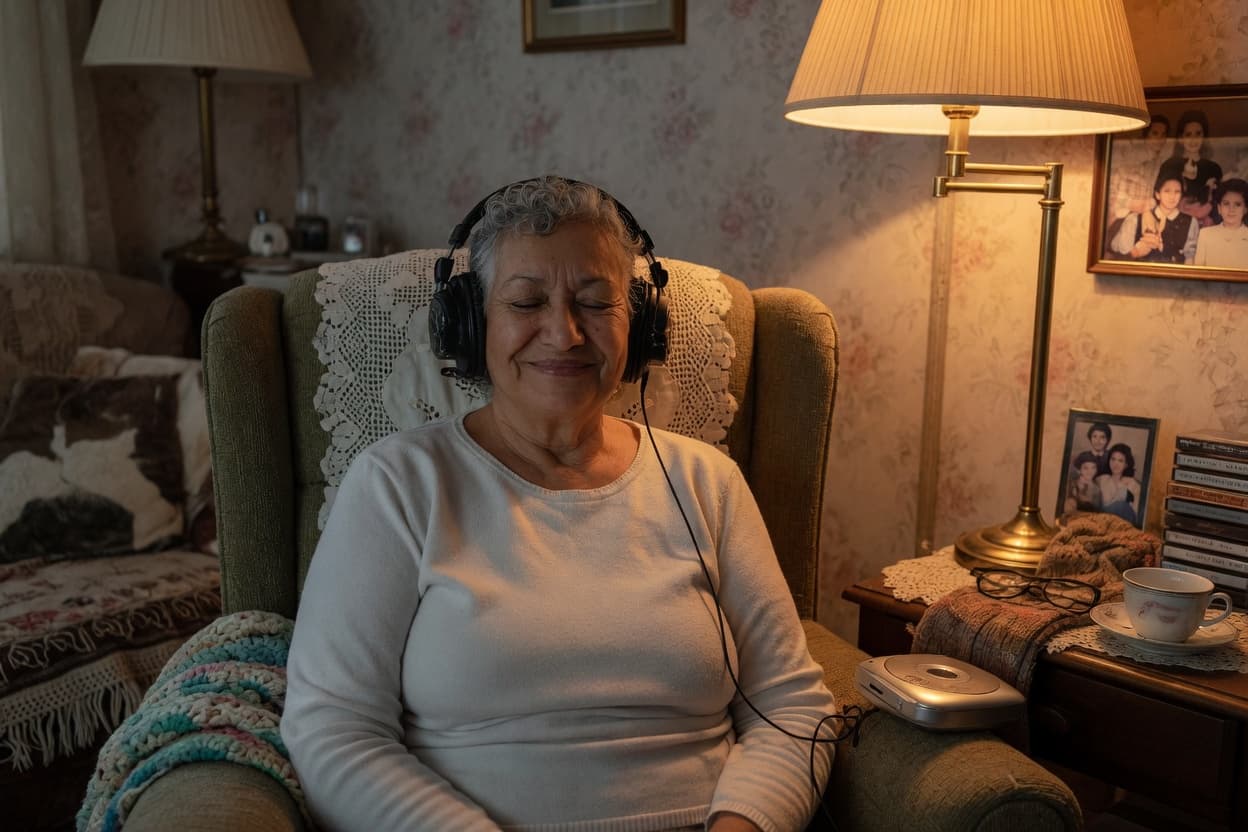
Study (brain imaging). Jochum van 't Hooft, Wietske van der Zwaag, and colleagues at Alzheimer Center Amsterdam and the Netherlands Institute for Neuroscience report in Brain Communications (doi 10.1093/braincomms/fcag196; Medical Xpress 26 September 2026). People with Alzheimer's disease, people with frontotemporal dementia, and healthy participants listened to personally meaningful music and to neutral music while functional MRI recorded brain activity. The scanner paused briefly so the music could be heard between image acquisitions. Favorite music produced more brain activity than neutral music in all three groups. In frontotemporal dementia, activity was lower in the supplementary motor area, a region involved in movement and in aspects of musical processing and memory. The Alzheimer's response was closer to that of the healthy participants. The release does not give the number of volunteers or their ages. The authors say this is not proof that a particular music therapy will help, and that the response is weaker in some people than in others. What mattered was music that belonged to that person. Educational notes.

Read at Netherlands Institute for Neuroscience / Brain Communications →♡ Save

  • Cognitive / dementia research
  • study
  • cognition

Frontiers in Aging · Added 25 Sept 2026 · Exercise

Ultrasonographic evaluation of quadriceps femoris muscle mass in critically ill patients aged 60 years and older: a prospective observational study

Background and aimsMuscle wasting is a common complication in critically ill older adults admitted to intensive care units (ICU), with significant implications for morbidity and mortality. Ultrasound represents a promising bedside tool for assessing muscle mass changes. This study aimed to evaluate changes in quadriceps femoris muscle mass using ultrasonography at ICU admission and after 7 days of stay in patients ag

Read at Frontiers in Aging →♡ Save

  • 60+
  • original research
  • muscle
  • aging
  • study

VitaLonga is an educational longevity resource, not a pharmacy, clinic, or doctor. Content is not medical advice and is not intended to diagnose, treat, cure, or prevent any disease (DSHEA). Supplements can interact with medications and are not appropriate in every pregnancy or health condition. Consult a licensed clinician, especially if you take medications, are pregnant or nursing, or have a diagnosed condition.