Every story stays here. Filter by topic, search older headlines, and save favorites to your member record. Educational notes only — not medical advice.
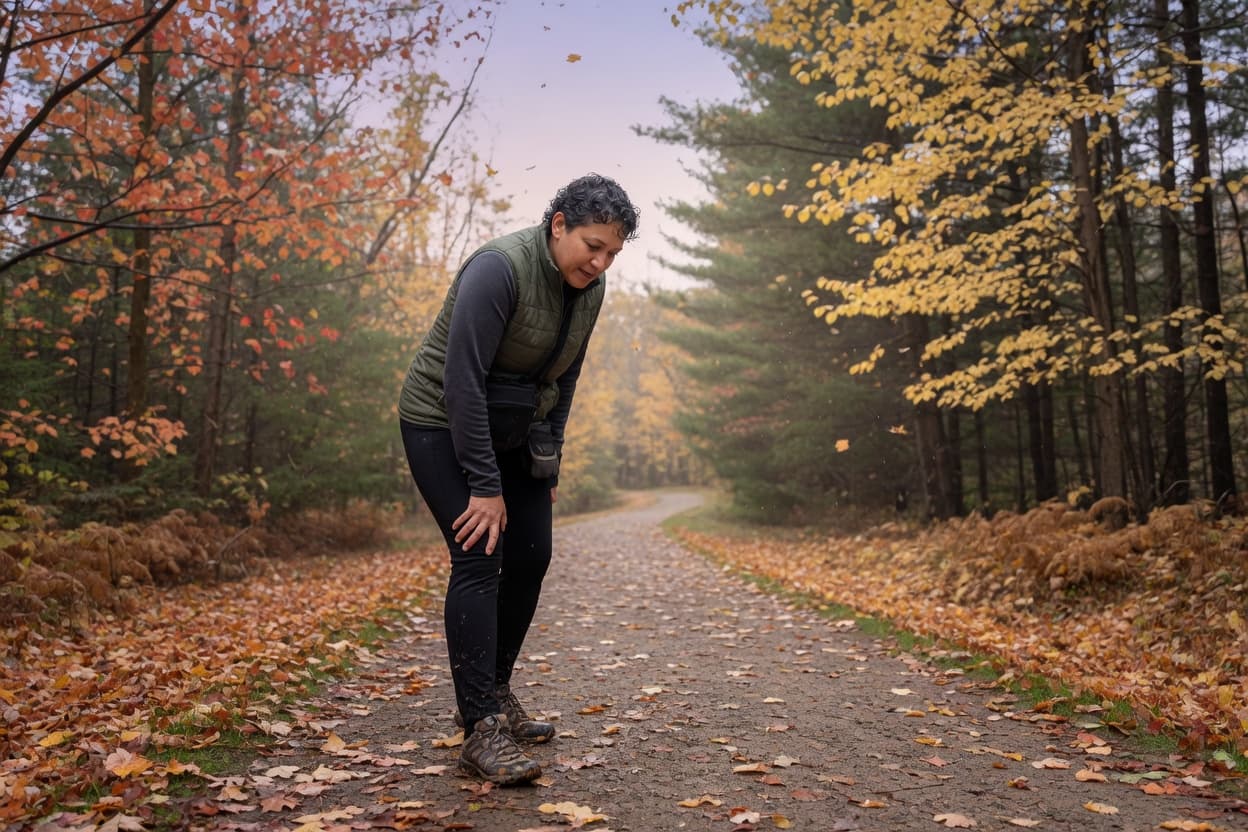
News-Medical reported on 28 October 2026 a Science Translational Medicine paper by Rui Peng and colleagues (DOI 10.1126/scitranslmed.adz4081). Single-cell sequencing of mouse synovium and samples from people with osteoarthritis found an expanded group of inflammatory macrophages that carry CD74 and gather where synovium meets cartilage. CD74 partnered with the enzyme ENO2. Lipid nanoparticles carrying silencing RNA against CD74 calmed those cells in a dish and reduced synovial inflammation and disease progression in mice. That intervention is a mouse experiment, not a joint treatment for people. Ages and sex of the human samples were not given in the report. Not medical advice.
ScienceDaily reported on 28 October 2026 a Nature Aging paper from the University of Copenhagen (DOI 10.1038/s43587-026-01227-7). Cardiolipin, a fat in the inner mitochondrial membrane, was lower in muscle from aging or diseased mice and from people. Lowering it in young mice shifted fibers from fast-twitch toward slow-twitch, the pattern seen in older muscle. Restoring it to about two-thirds of the usual level began to reverse wasting and prevented the premature deaths in those animals. The shift looks like a trade of power for protection: when an antioxidant mopped up reactive oxygen species, the fiber change was smaller and the muscles fared worse. Human samples showed the decline. The rescue experiments were in mice. Elamipretide has accelerated approval for Barth syndrome, a rare disease, and that approval is not evidence for ordinary age-related muscle loss. Not medical advice. Not a substitute for a prescribed medicine.
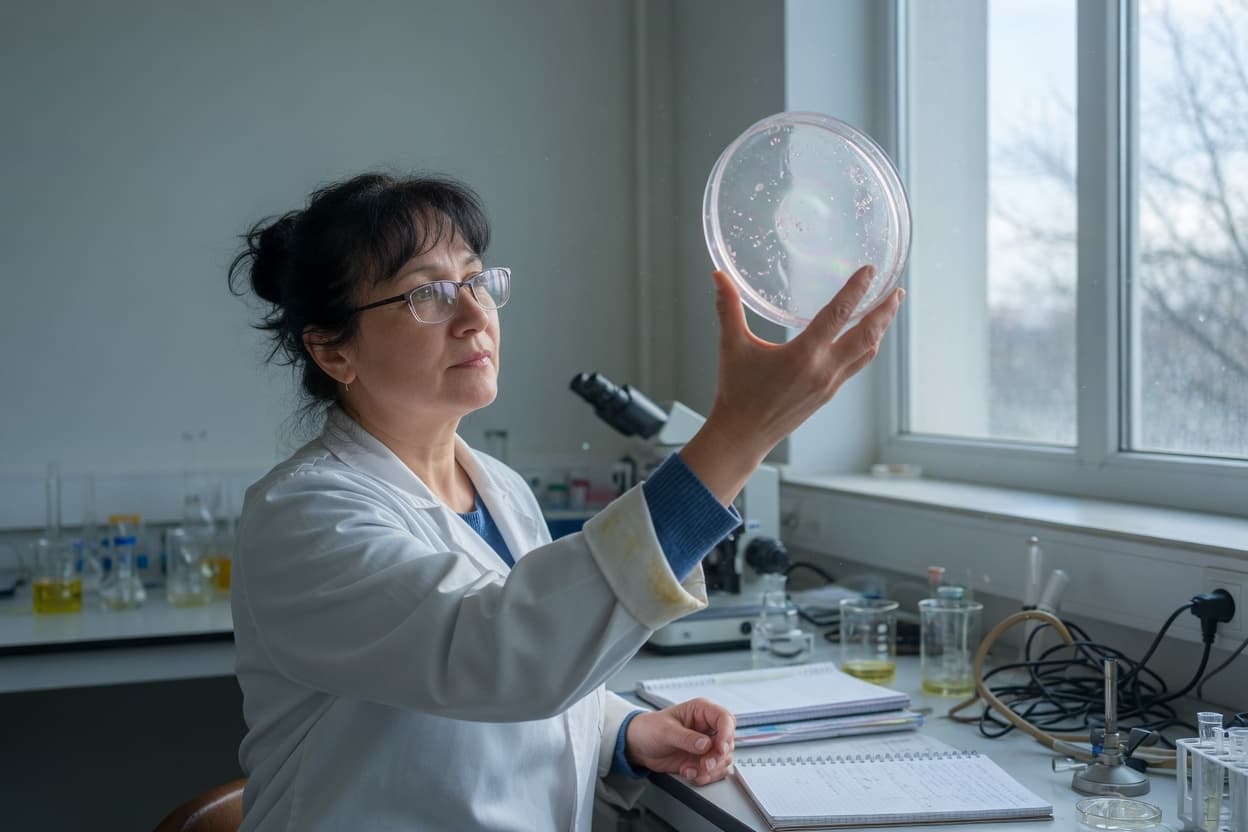
ScienceDaily reported on 27 October 2026 a Nature Immunology paper from McGill University (DOI 10.1038/s41590-026-02581-9). T cells from people and from mice, placed in collagen gels, were more likely to take on a tissue-resident memory pattern as the gel got stiffer. The work is a dish experiment about mechanical cues. It is not a booster and not a cancer treatment. The report does not give a human age band or a sex split. Not medical advice.
ScienceDaily reported on 27 October 2026 the INSPIRE trial in Nutrients from the University of Nottingham (DOI 10.3390/nu18050714). One hundred seventeen adults with knee osteoarthritis were assigned for six weeks to daily inulin, a digitally supported physiotherapy program, both, or placebo. Inulin and physiotherapy each reduced knee pain. Inulin, and not physiotherapy alone, was also tied to better grip strength and lower pain sensitivity. Dropout was 3.6 percent in the inulin-only group and 21 percent in the physiotherapy-only group. The team reported higher butyrate and higher levels of the body's own GLP-1 hormone. Inulin is a prebiotic fiber, not semaglutide and not a prescribed GLP-1 medicine. The release does not give the age range or the sex split. Six weeks is short. This does not replace movement or prescribed care. Not medical advice. Not a substitute for a prescribed medicine. Educational supplement parallel (not a replacement): When headlines discuss GLP-1 medicines and aging, people often research food-first fiber or bitter-botanical “pathway support” formulas. Those are not semaglutide, not compounded GLP-1, and not a substitute for a prescribed GLP-1 drug. Mouse or marketing claims are hype until human outcome data exist. Weakly evidenced. Store: /store/glp1-pathway-support. Not medical advice. Not a substitute for a prescribed medicine. Off-label prescription use is clinician-only. VitaLonga does not diagnose, treat, or cure disease. Never start, stop, or replace a prescription with a supplement on the basis of a headline.
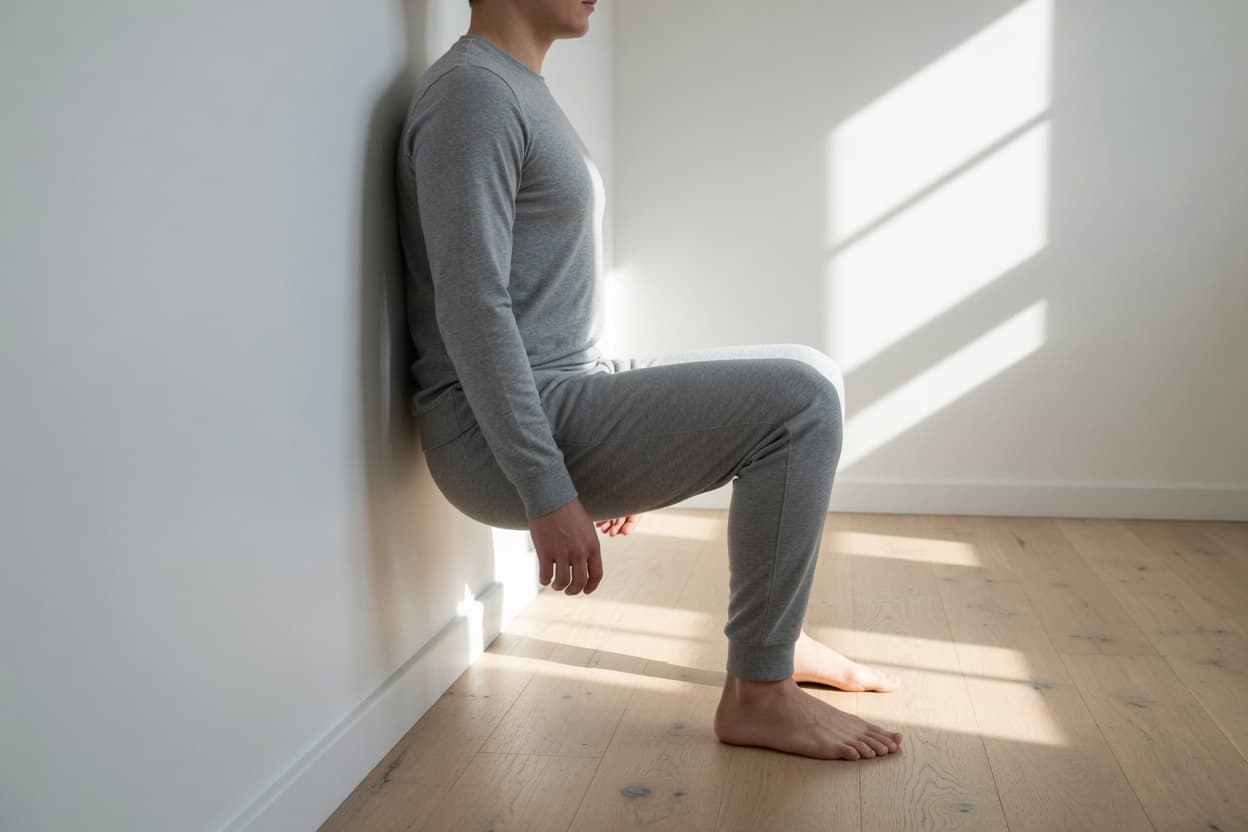
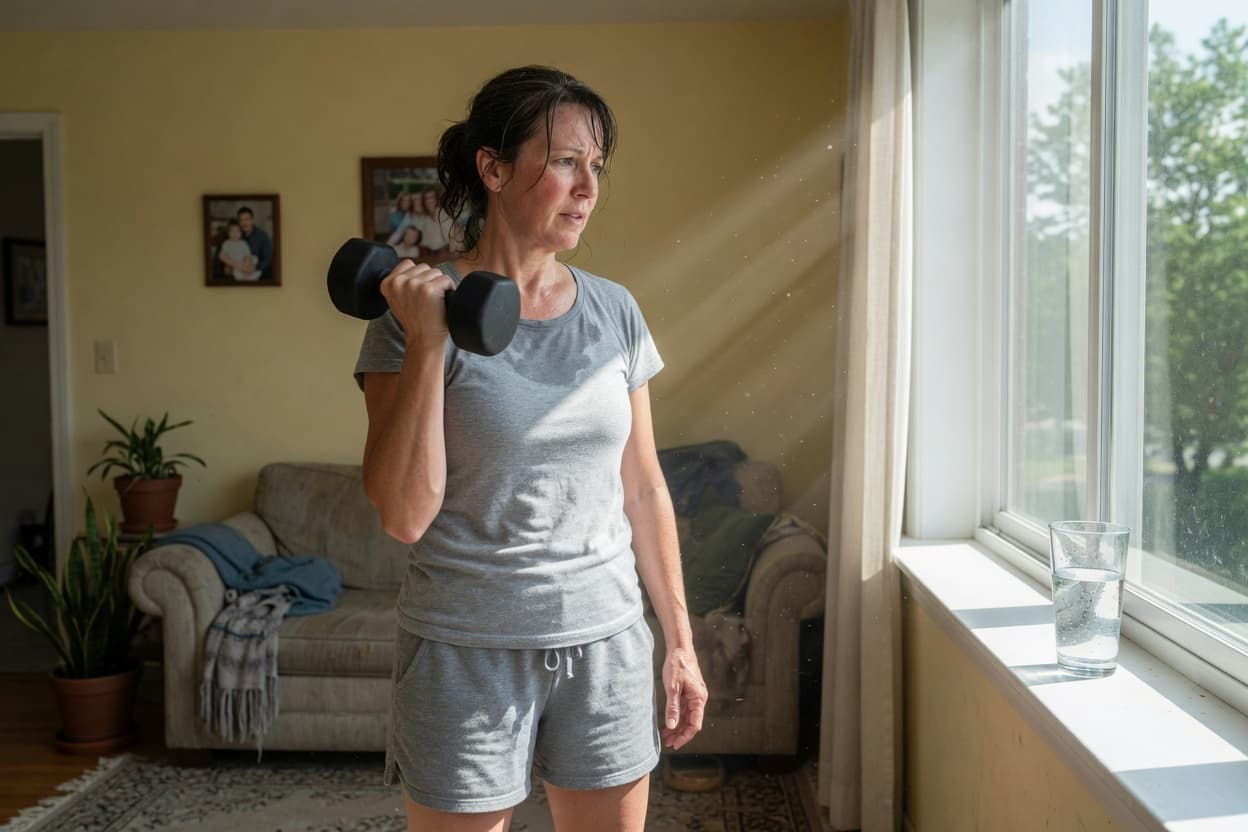
ScienceDaily reported on 26 October 2026 a BMJ Open Sport & Exercise Medicine trial from the BMJ Group. One hundred adults, mean age 37.4, with systolic pressure of 120–140 mmHg and no hypertension diagnosis, did four weeks of home wall squats three times a week. For the next four weeks, groups continued three times, twice, once, or not at all. By eight weeks, three weekly sessions were linked to a 13.73 mmHg average systolic drop from the start; twice weekly was 6.95 and once weekly was 6.56, and both still differed from the control group on systolic pressure. The group that stopped no longer differed from control. The release does not give the age range or the sex split, only the mean age. The maintenance phase lasted four weeks. This is a randomized trial, not a reason to stop blood-pressure medicine. Not medical advice.
NYU Langone reported on 26 October 2026 a phase 3 trial of sacituzumab tirumotecan, a cancer drug, in women already treated for endometrial cancer. 386 women assigned the drug had a 41 percent lower risk of the cancer growing or spreading than 390 women given chemotherapy, the release says. Frequent side effects included low blood counts, mouth soreness, and dry eyes, which the investigators called manageable. Initial data were presented at ESMO and posted in The Lancet. The release does not give an age band. This is a trial of a prescribed cancer medicine, not a supplement someone should start from a headline. Not medical advice.
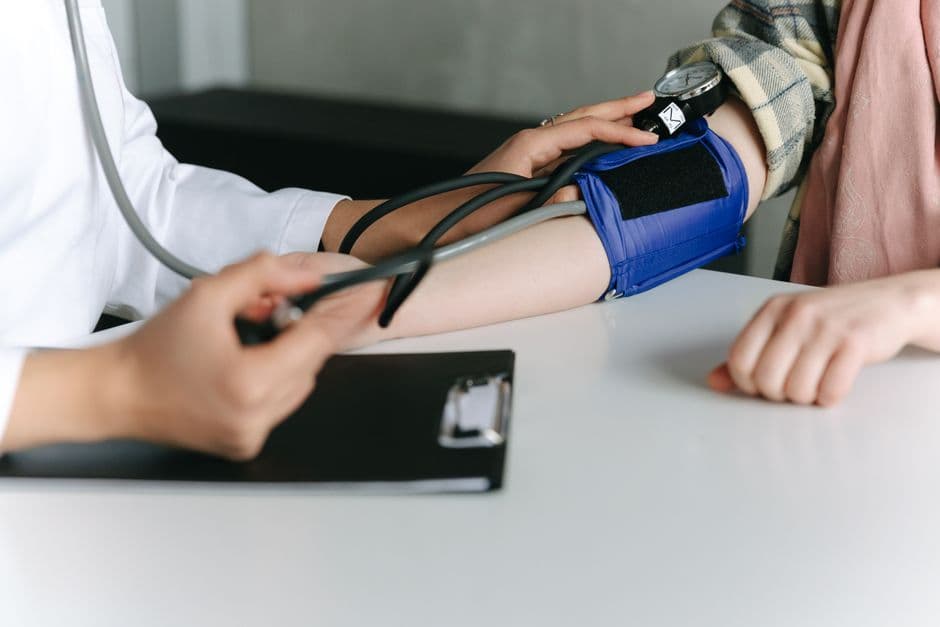
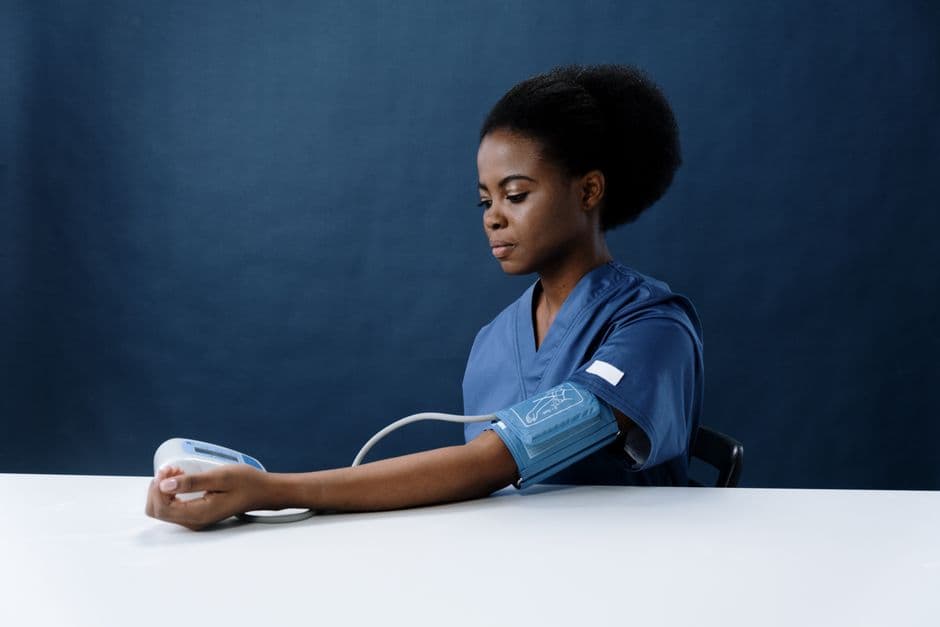
Missing blood pressure medication could mean losing much of its protection against heart attacks and strokes, according to an analysis of more than 91,000 people. Patients who consistently took their medication experienced an 11% reduction in major cardiovascular events, while those who missed too many doses saw little or no measurable benefit.
A common, inexpensive medication could hold an unexpected clue to preventing dementia. Researchers found that older adults with a specific genetic profile had a 70% lower relative risk of dementia when taking low-dose aspirin, even though previous studies found no overall protective effect. The discovery suggests that genetics could help explain why some people benefit while others do not.
A small device that gently stimulates nerves through the ear could offer a new way to tackle stubborn high blood pressure. In a clinical trial of 63 patients already taking medication, the treatment proved safe, easy to use at home, and well tolerated. Although it did not significantly outperform a placebo overall, patients with more severe hypertension showed promising reductions in blood pressure.
The European Journal of Applied Physiology published this online on 24 October 2026 (DOI 10.1007/s00421-026-06481-6; PubMed 42926218). Baker and colleagues studied 51 perimenopausal women, reported age 46 plus or minus 5 years. Eighteen took creatine monohydrate, 20 took a placebo, and 13 were a non-training comparison group. The creatine schedule was 20 g a day for five days, then about 4.5 g a day for six weeks, together with progressive high-intensity resistance training twice a week. The Stroop task is a cognition test. Reaction time improved over time (congruent p under 0.001, incongruent p 0.004) with no difference between groups. Prefrontal oxygenation during the Stroop task changed by +0.32 plus or minus 2.01 percent with creatine versus -1.62 plus or minus 2.01 percent with placebo (p 0.003). Sleep consistency showed a time-by-treatment interaction (p under 0.001); at week 6 the baseline-adjusted creatine-versus-placebo gap was +7.4 points (p 0.015). A count of temperature-sensitivity days was not stated in the sources used here. The trial is exploratory (NCT07027800). Conflicts: A.S.R. is a scientific advisor to Alzchem, Create Wellness, and NeoLife, which sell creatine products, holds equity in Create Wellness, and has received industry funding related to creatine. G.J.G. is a WHOOP employee who exported WHOOP data and analyzed sleep and symptoms while blinded. That analysis was not independently reproduced by an investigator outside WHOOP. The code is public. WHOOP the company had no role in the design, interpretation, decision to publish, or approval of the manuscript. This is not a menopause treatment. Not medical advice.
A 24 October 2026 paper in the European Journal of Applied Physiology randomized 51 perimenopausal women (mean age 46) to creatine, a placebo powder, or no training. The creatine and placebo groups did six weeks of twice-weekly high-intensity resistance training after a short loading phase. Creatine was linked with a small rise in prefrontal oxygenation during a memory test, higher sleep consistency at week 6 (about 7.4 points versus placebo), and fewer self-reported hot-temperature days. The authors call the analysis exploratory. Creatine is not hormone therapy and not a substitute for prescribed care. Not medical advice.
Dr. Vincent highlights the latest clinical research published in Current Sports Medicine Reports. The post Clinical Highlights from Current Sports Medicine Reports | Q3 2026 appeared first on ACSM .
VitaLonga is an educational longevity resource, not a pharmacy, clinic, or doctor. Content is not medical advice and is not intended to diagnose, treat, cure, or prevent any disease (DSHEA). Supplements can interact with medications and are not appropriate in every pregnancy or health condition. Consult a licensed clinician, especially if you take medications, are pregnant or nursing, or have a diagnosed condition.