VitaLonga

Desk

News archive

Every story stays here. Filter by topic, search older headlines, and save favorites to your member record. Educational notes only — not medical advice.

Saved (sign in)

245 stories in this category

Texas A&M University / EurekAlert · 18 Sept 2026 · Supplements / medicine

In adults 45 to 65, daily creatine tracked more lean tissue even without a set exercise plan

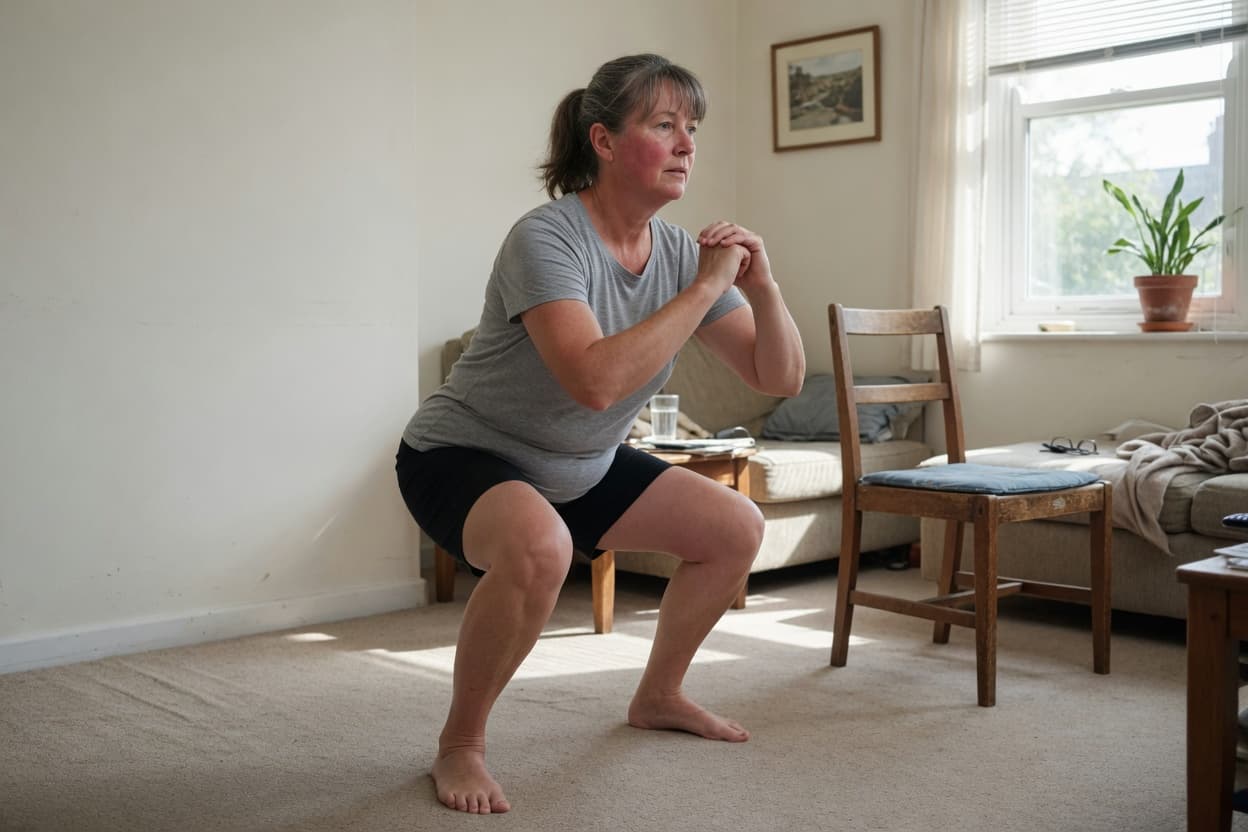
Study (12-week human trial, with an important design limit). Richard Kreider and colleagues report in the Journal of the International Society of Sports Nutrition (doi 10.1080/15502783.2026.2716273; EurekAlert 18 September 2026). Sixty-four healthy adults ages 45 to 65 finished. People chose whether to join a structured exercise and diet program or stay in a non-exercise group, and were then randomized to 10 grams of creatine monohydrate a day or placebo. Among those not in the exercise program, creatine tracked about 2.4 pounds more lean tissue over 12 weeks, plus higher leg-press and bench-press strength. The exercise arm trained with resistance and aerobic work three times a week on a modest calorie deficit. In that arm, creatine tracked greater strength gains, longer time to exhaustion, nearly three pounds of lean tissue gained, and a larger drop in fat mass and body-fat percentage. The placebo exercise group showed little lean-tissue change. Aerobic capacity did not improve more with creatine. The exercise-versus-rest split was self-selected, so it is not a pure randomized test of exercise. Ten grams is the dose used in this study, not a serving suggestion. The release also cites a 2025 review by Kreider of 685 trials that found no significant difference in reported side-effect rates versus placebo; that is a separate safety summary, not this trial's outcome. Educational supplement notes. Not medical advice. Not a substitute for prescribed care.

Read at Texas A&M University / EurekAlert →Our summary♡ Save

  • 40–59
  • 60+
  • Exercise
  • Nutrition
  • Supplements
  • study
  • fitness
  • nutrition

ScienceDaily · 17 Sept 2026 · Supplements / medicine

New mesothelioma drug turns cancer’s own defenses against it

Scientists are testing a counterintuitive way to fight mesothelioma, an aggressive asbestos-linked cancer with few effective treatments. A new experimental mesothelioma drug kills cancer cells by disabling PRX3, an antioxidant defense that tumors use to survive intense oxidative stress. In an early clinical trial, it controlled disease progression in 67% of patients and produced encouraging survival results, raising

Read at ScienceDaily →Our summary♡ Save

  • Cancer
  • Medicine
  • news
  • study

NutraIngredients · 17 Sept 2026 · Supplements / medicine

Adding 3 g HMB to 40 g whey further raised muscle protein synthesis in women 65–75, not men

Study (randomized double-blind crossover). K. Smith and colleagues report in Nutrients (2026;18(9):1449, doi 10.3390/nu18091449) on 24 healthy adults aged 65–75 who ingested 40 g whey protein alone or 40 g whey plus 3 g calcium HMB, then crossed over after four weeks. Both raised post-meal muscle protein synthesis; HMB added extra MPS in older women, not older men. HMB also kept muscle-protein breakdown lower in the late-fed period. Small, industry-funded (Abbott); not powered for sex differences. Educational supplement notes, not a sarcopenia treatment.

Read at NutraIngredients →Our summary♡ Save

  • Women
  • 60+
  • Exercise
  • Nutrition
  • Supplements
  • study
  • women

EurekAlert · 17 Sept 2026 · Supplements / medicine

More REM and deep sleep, not just hours in bed, tracked lower disease risk in 95,559 people

Study (observational). Shengzhi Sun of Capital Medical University and colleagues report in PLOS Medicine on 95,559 UK Biobank participants with wrist accelerometers, followed a median 8.9 years against more than 1,000 disease outcomes. Each interquartile extra 47.6 minutes of REM sleep tracked lower risk of 83 conditions, including heart failure (HR 0.74), dementia (HR 0.54), and Parkinson’s (HR 0.20). More deep sleep tracked lower risk of 7 conditions including type 2 diabetes. Total sleep under 5 hours tracked 37 conditions; lowest risk sat in a 6-to-8-hour window. Observational. Educational aging notes, not a sleep prescription.

Read at EurekAlert →Our summary♡ Save

  • 40–59
  • 60+
  • Cardiovascular / lipids
  • Metabolic / glucose
  • Cognitive / dementia research
  • Medicine
  • Aging
  • study
  • sleep
  • cognition
  • aging
  • off-label-context

News-Medical · 17 Sept 2026 · Supplements / medicine

Time-restricted eating was safe and shifted HD markers in a 12-week pilot of 20 people

Study (uncontrolled 12-week pilot). Russell Wells, Amie Hiller and Oregon Health & Science University colleagues report in Nature Metabolism (doi 10.1038/s42255-026-01612-x) on 20 adults with early-stage Huntington’s disease who ate in a self-chosen 6–8 hour window. They kept weight and lean mass, followed the window more than five days a week, improved 0.5 points on the composite Unified Huntington’s Disease Rating Scale (which typically falls ~1 point per year in early disease), and saw a 13% drop in blood neurofilament light plus better mitochondrial activity in blood cells. No comparison arm; HD is not Alzheimer’s. Educational nutrition notes, not a disease treatment or a fasting prescription.

Read at News-Medical →Our summary♡ Save

  • 40–59
  • Metabolic / glucose
  • Cognitive / dementia research
  • Nutrition
  • Medicine
  • study
  • nutrition
  • cognition
  • off-label-context

News-Medical · 17 Sept 2026 · Supplements / medicine

Twelve mouse “aging rate indicators” are proposed to speed tests of longevity drugs

Commentary (review of mouse evidence). Steven Austad, Richard Miller, Matt Kaeberlein and colleagues argue in Frontiers in Science (doi 10.3389/fsci.2026.1821393) that 12 candidate aging rate indicators — single measurements that mark a slow-aging state — could shorten mouse drug screens versus 3–4 year lifespan studies. They draw on the NIA Interventions Testing Program, which has found 14 agents or combinations that extend mouse life, eight by ≥12%, some even when started in late adulthood. Candidates are not validated in humans and are not a clinic test. Educational aging-biology notes, not an anti-aging drug protocol.

Read at News-Medical →Our summary♡ Save

  • Medicine
  • Aging
  • Longevity
  • commentary
  • aging
  • longevity

Medical University of South Carolina / Journal of Perinatology · 16 Sept 2026 · Supplements / medicine

In more than 15,000 pregnancies at one US center, the lowest vitamin D levels tracked earlier delivery

Study (retrospective). Carol L. Wagner and Anjali G. Borsum at the Medical University of South Carolina report in the Journal of Perinatology (doi 10.1038/s41372-026-02757-z; Medical Xpress 16 September 2026) on more than 15,000 pregnancies at MUSC between 2016 and 2025. Women with the lowest vitamin D levels had the highest risk of preterm birth, and profound deficiency was associated with earlier gestational age at delivery. The authors do not claim the study proves that vitamin D caused the difference. They describe vitamin D as involved in placental development and in how the mother's immune system tolerates a pregnancy, drawing on earlier trials by Wagner and Bruce W. Hollis, and they note that deficiency is common when time outdoors is limited. Sunscreen still matters for skin cancer, they say, and any supplement decision belongs with a clinician. This is not a recommendation to take a high dose, and it is not a treatment for preterm birth. Educational notes.

Read at Medical University of South Carolina / Journal of Perinatology →Our summary♡ Save

  • Women
  • Cancer
  • Supplements
  • study

GeroScience · 16 Sept 2026 · Supplements / medicine

Thirty years of regular aerobic exercise tracked higher “vitality capacity” after 55

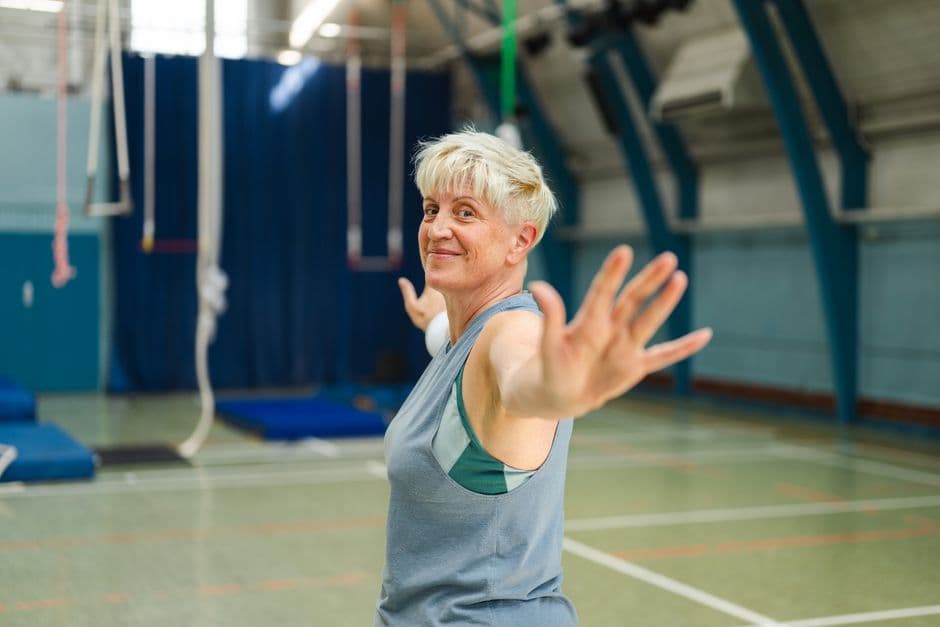
Study (small cross-sectional). Université Côte d'Azur researchers report in GeroScience on 39 healthy adults over 55 (mean ~64; no chronic illness). Nineteen had done aerobic activity ≥3 times/week for 30 years (≥2.5 h moderate or half that vigorous); 20 were inactive (≤75 min/week). Lifelong-active adults had higher vitality-capacity z-scores (+0.2, p.adj=0.009), mainly in the immune/stress domain: resting SpO2 96.8% vs 94.8% and heart-rate variability 49.9 vs 27.2 ms. Exploratory, n=39. Educational exercise notes, not a training prescription.

Read at GeroScience →Our summary♡ Save

  • 60+
  • Exercise
  • Medicine
  • study
  • fitness
  • off-label-context

News-Medical · 16 Sept 2026 · Supplements / medicine

Fermented dairy under ~150 g/day tracked lower death risk in 37,366 US adults

Study (observational). Zhang and Li report in Scientific Reports (doi 10.1038/s41598-026-71687-9) on 37,366 NHANES adults (1999–2018) followed a median 9.4 years. Self-reported fermented-dairy consumers had 18% lower adjusted all-cause mortality and 20% lower cardiovascular mortality than non-consumers. The dose-response was J-shaped: association with lower risk sat below about 150 g/day; at or above that, no significant link. One- or two-day diet recalls; residual confounding is likely. Educational nutrition notes, not a yogurt prescription for heart disease.

Read at News-Medical →Our summary♡ Save

  • Cardiovascular / lipids
  • Nutrition
  • Medicine
  • Longevity
  • study
  • nutrition
  • off-label-context

News-Medical · 16 Sept 2026 · Supplements / medicine

Four to six daily wholegrain servings tracked better heart-risk markers in a large trial review

Study (systematic review and meta-analysis of RCTs). Helda Tutunchi and colleagues report in the European Heart Journal (16 September 2026) pooling more than 6,500 participants from trials across Asia, Europe, the United States, Canada, Australia, and Brazil. Higher wholegrain intake was associated with lower body weight, waist circumference, blood pressure, total and LDL cholesterol, triglycerides, glucose, and interleukin-6. Benefits appeared at 30–40 g/day dry weight; the largest effects were at 60–100 g/day (~4–6 servings, e.g. oatmeal, wholegrain bread, brown rice). This is pooled trial evidence on risk factors, not a heart-disease outcome trial, and not a reason to start or stop prescribed lipid or blood-pressure medicine. Educational nutrition notes.

Read at News-Medical →Our summary♡ Save

  • Cardiovascular / lipids
  • Metabolic / glucose
  • Nutrition
  • Medicine
  • study nutrition
  • nutrition
  • study

News-Medical · 16 Sept 2026 · Supplements / medicine

Ten “healthy” dietary patterns all tracked slower epigenetic aging in two German cohorts

Study (observational). Juliana Tavares, Monique Breteler and colleagues at DZNE report in Nature Communications (doi 10.1038/s41467-026-77064-4) on ~7,500 adults: 6,470 in the Rhineland Study (Bonn) plus 1,034 in EPIC-Potsdam. Adherence scores for ten patterns (including Mediterranean, Nordic, plant-based, DASH, and MIND) each associated with slower DNA-methylation clocks covering ~850,000 sites. More than 70% of affected pathways overlapped (cell structure, signaling, metabolism); DASH uniquely touched heart-related pathways and MIND cognition/memory pathways. Association, not a diet prescription or a dementia/CVD diagnosis. Educational aging notes.

Read at News-Medical →Our summary♡ Save

  • Cardiovascular / lipids
  • Metabolic / glucose
  • Cognitive / dementia research
  • Nutrition
  • Medicine
  • Aging
  • study aging nutrition cognition
  • cognition
  • aging
  • nutrition
  • study
  • off-label-context

VitaLonga is an educational longevity resource, not a pharmacy, clinic, or doctor. Content is not medical advice and is not intended to diagnose, treat, cure, or prevent any disease (DSHEA). Supplements can interact with medications and are not appropriate in every pregnancy or health condition. Consult a licensed clinician, especially if you take medications, are pregnant or nursing, or have a diagnosed condition.