VitaLonga

Desk

News archive

Every story stays here. Filter by topic, search older headlines, and save favorites to your member record. Educational notes only — not medical advice.

Saved (sign in)

93 stories in this category

ScienceDaily · 3 Nov 2026 · Nutrition

Eight weeks of a daily avocado and a cup of mango lined up with better blood-vessel function in 82 adults with prediabetes

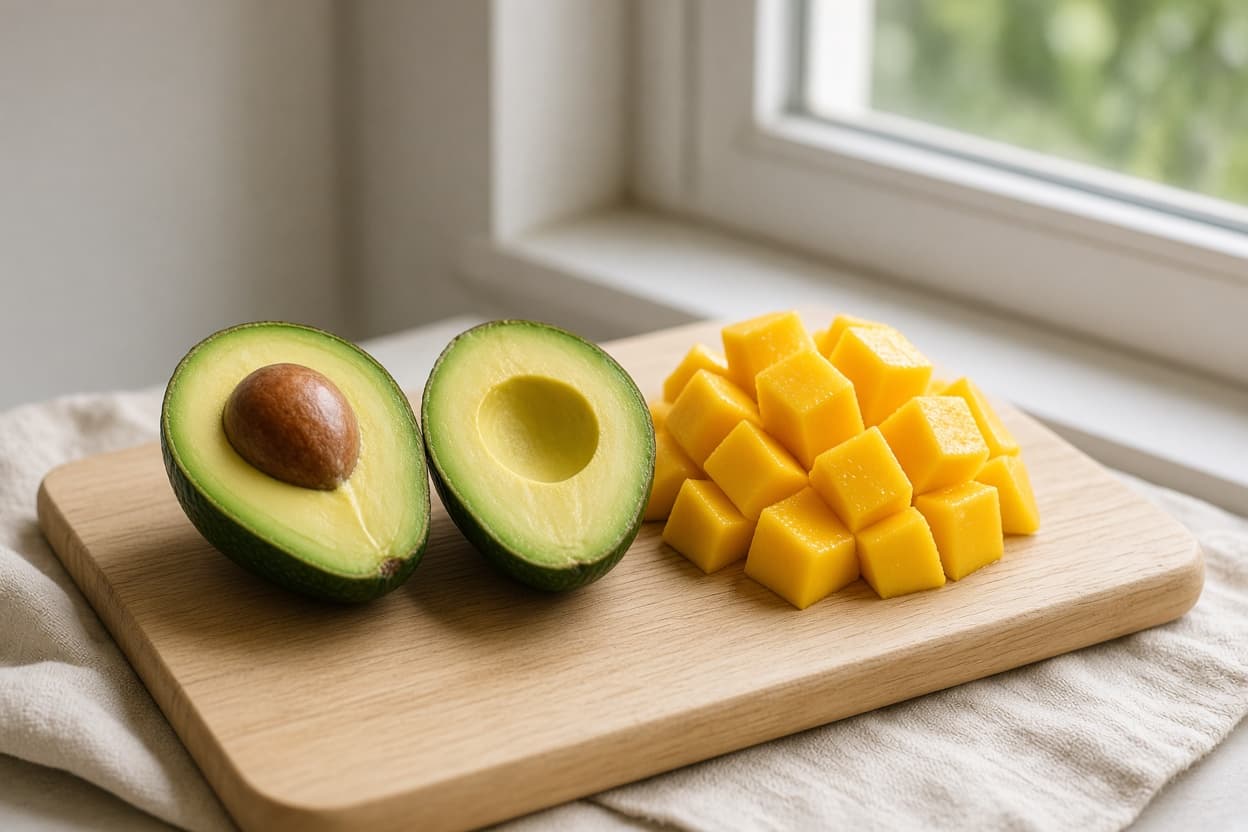
Illinois Institute of Technology researchers reported in the Journal of the American Heart Association that 82 adults ages 25 to 60 with prediabetes and a body mass index of 25 to 35 followed calorie-controlled meals for eight weeks. One group ate one medium Hass avocado and one cup of mango a day. The comparison group ate calorie-matched carbohydrate foods instead. Flow-mediated dilation rose to 6.7 percent with the fruit and fell to 4.6 percent in the comparison group. Among male participants, central pressure rose about 5 mm Hg on the comparison meals and fell about 1.9 mm Hg with the fruit. Cholesterol, blood sugar, and markers of inflammation did not differ in a meaningful way. Weight and calorie intake stayed about the same. An unrestricted grant from the National Mango Board and the Hass Avocado Board paid for the trial. Those boards had no role in the design or the findings. The trial did not count heart attacks. It is not a treatment for prediabetes. DOI 10.1161/JAHA.124.040933. Not medical advice.

Read at ScienceDaily →Our summary♡ Save

  • Under 40
  • 40–59
  • Cardiovascular / lipids
  • Metabolic / glucose
  • Nutrition
  • study
  • inflammation

Medical Xpress · 2 Nov 2026 · Nutrition

Eight months of medically tailored meals lined up with lower blood pressure and HbA1c in 110 adults with type 2 diabetes and high blood pressure

Preliminary American Heart Association research presented 2 November 2026 followed 110 adults in New York City (average age 63; 68 percent women; 47 percent Hispanic; 43 percent Black) who had type 2 diabetes and high blood pressure. Over eight months, medically tailored meals plus a heart-healthy eating curriculum improved both a full meal dose and a stepped-down dose. Diet quality rose about 3 points on a Mediterranean-style score in both arms. The chance of a higher food-security status more than doubled. HbA1c fell about 0.5 percent, and systolic and diastolic blood pressure each fell about 4 mm Hg. Nour Makarem reported that the stepped-down dose looked similar to the standard dose when both included the curriculum. This is a conference abstract, not a peer-reviewed feeding trial write-up in a journal, and it is not medical advice.

Read at Medical Xpress →Our summary♡ Save

  • 60+
  • Cardiovascular / lipids
  • Metabolic / glucose
  • Nutrition
  • study

ScienceDaily · 2 Nov 2026 · Nutrition

A clinical nutrition report says potassium intake belongs beside sodium reduction for blood pressure

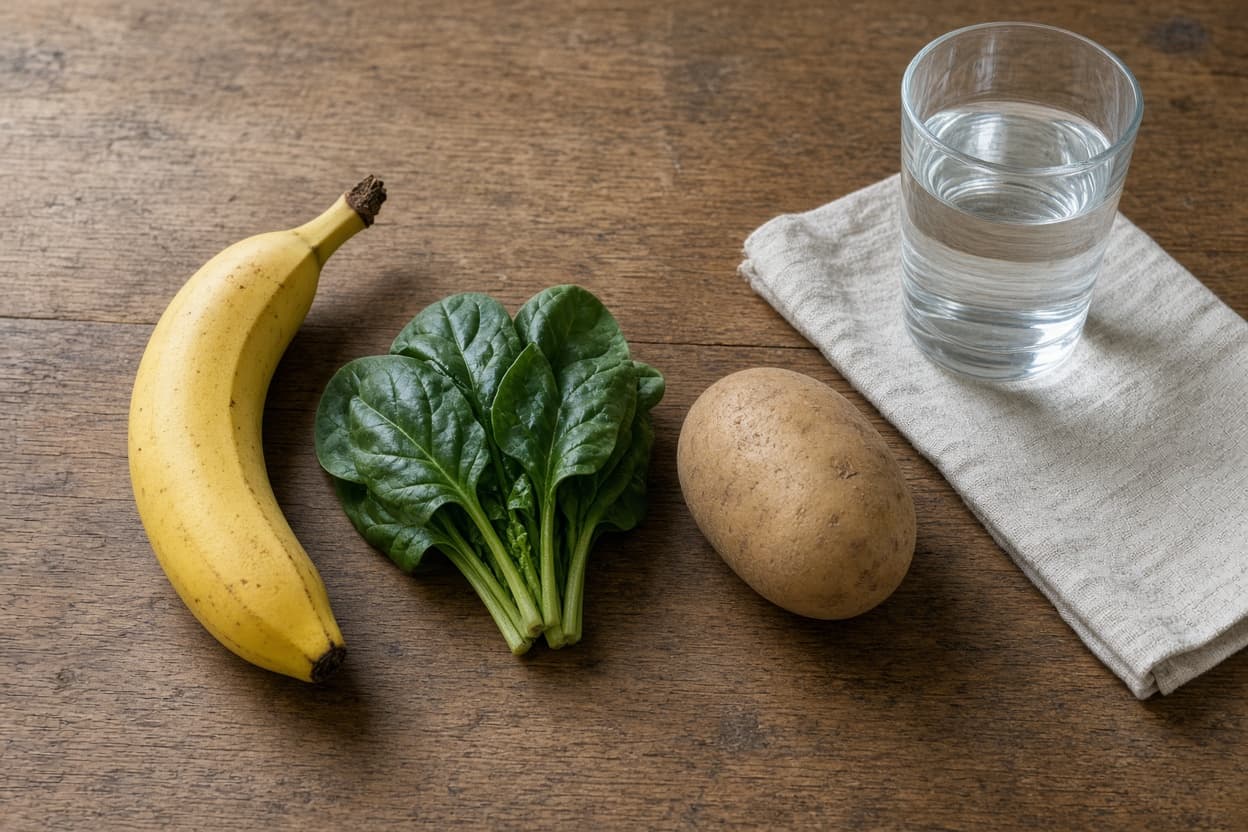
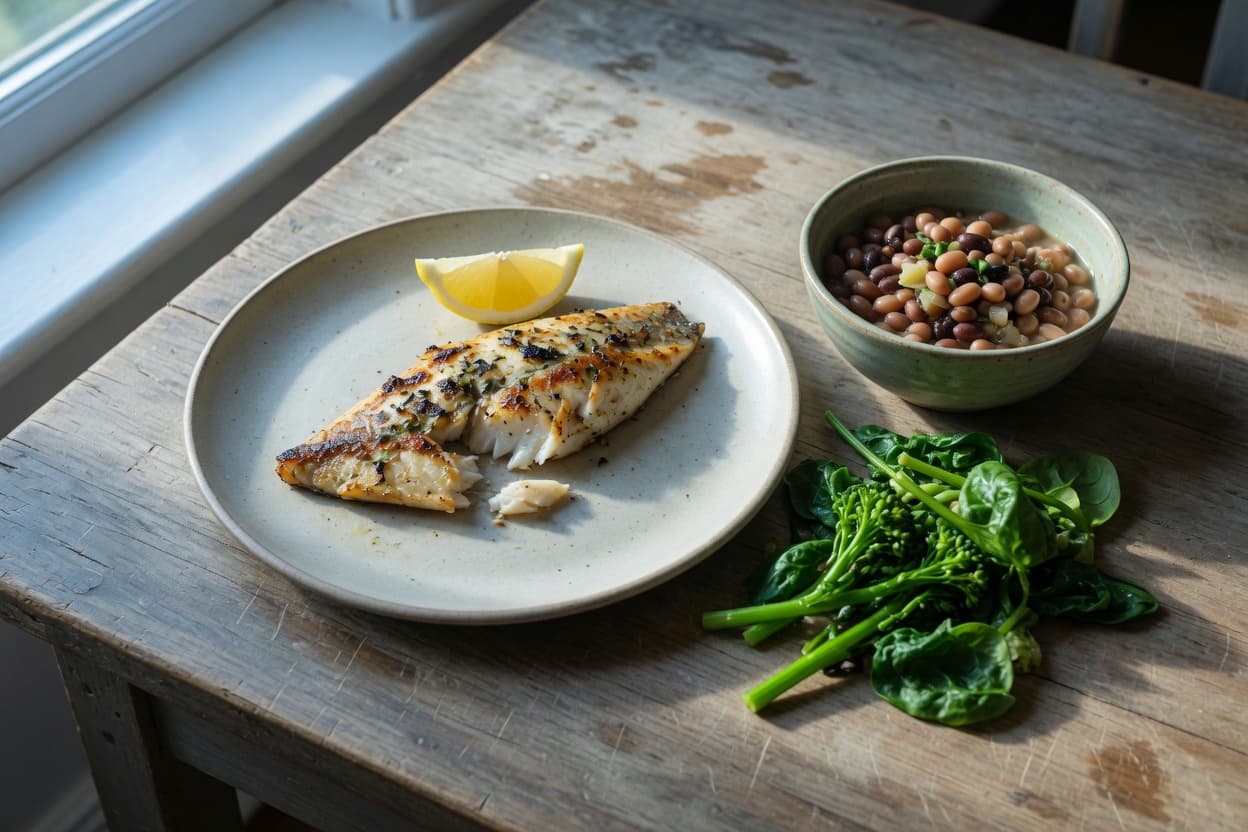
A report in the American Journal of Clinical Nutrition, led by Naomi Fukagawa at the University of Vermont, argues that blood-pressure advice should pair a higher potassium intake with less sodium, rather than treating sodium cuts as the whole plan. The authors note that hypertension affects more than 1.28 billion adults, that potassium helps the kidneys clear sodium, and that many eating patterns are high in sodium and short on potassium. Potassium is found in fruit, vegetables, legumes, and dairy. Potassium salt can taste metallic in large amounts. People with kidney disease, or whose care already changes potassium balance, need a clinician before they raise potassium. This is an evidence review and commentary, not a new feeding trial. The work was supported by the IAFNS Sodium in Food and Health Implications Committee. DOI 10.1016/j.ajcnut.2026.101396. ScienceDaily dated the story 2 November 2026. Not medical advice, and not a substitute for prescribed blood-pressure care.

Read at ScienceDaily →Our summary♡ Save

  • Cardiovascular / lipids
  • Nutrition
  • commentary
  • study

PubMed · 1 Nov 2026 · Nutrition

In 22 elite women who play Australian rules football, in-season protein intake and fat intake were lower than in pre-season

Barnard and colleagues report in the European Journal of Sport Science (November 2026; e70274; DOI 10.1002/ejsc.70274; PMID 42904819). PubMed indexed it on 22 October 2026. The card date is 1 November 2026, the issue month. Twenty-two elite women in Australian rules football, mean age 25.9 years (SD 5.0), were followed for 10 nights: five in pre-season and five in-season. Diet came from a phone food diary (Easy Diet Diary) and sleep from a wearable ring (Oura). In-season protein intake was 115.15 g (SD 35.14) versus 126.48 g (SD 40.10) in pre-season (p = 0.026). Fat intake was 72.93 g (SD 29.55) versus 83.43 g (SD 33.14) (p = 0.012). Sleep measures did not differ by season phase. Each extra year of age lined up with about 8 minutes less sleep (p = 0.001) and about 4 minutes earlier wake time (p = 0.032). Age did not line up with a difference in dietary intake. This is a description of what they ate and how they slept. It is not a feeding trial and not advice to cut protein intake in season. Not medical advice.

Read at PubMed →Our summary♡ Save

  • Women
  • Under 40
  • Nutrition
  • sleep
  • study

Medical Xpress · 1 Nov 2026 · Nutrition

A diet higher in ultra-processed food tracked more depressive symptoms in older adults

Medical Xpress posted this on 21 October 2026. The card date is 1 November 2026 so the story remains in the newest list; the outlet date is 21 October 2026. Deakin University researchers followed 7,220 older adults, age 70 or older, for a median of 5.7 years. Four or more servings a day of ultra-processed food tracked a 12 percent higher rate of depressive symptoms than fewer than four servings. A more anti-inflammatory dietary pattern tracked a 7 percent lower rate than a more pro-inflammatory pattern. The report says those patterns held regardless of genetic predisposition to depression or existing low-grade inflammation. The paper, cited as Belayneh Mengist and colleagues in Molecular Psychiatry (DOI 10.1038/s41380-026-03762-6), is a target-trial emulation. It did not assign people to a diet. The report describes an anti-inflammatory pattern as more fruit, vegetables, legumes, whole grains, fish, and olive oil, and gives packaged meals and sugar-sweetened drinks as ultra-processed examples. The news story did not print a sex split, so the gender tag is all. This is not proof that changing a diet treats depression. Not medical advice.

Read at Medical Xpress →Our summary♡ Save

  • 60+
  • Nutrition
  • Aging
  • aging
  • inflammation
  • study

PubMed · 1 Nov 2026 · Nutrition

In the Airwave cohort, a higher Mediterranean diet score lined up with slightly lower epigenetic age

Zaki and colleagues report a cross-sectional study in the Journal of Nutrition, Health and Aging (November 2026; volume 30, article 100964; Epub 28 August 2026; DOI 10.1016/j.jnha.2026.100964; PMID 42664808; PMC13545309). The Airwave sample was 928 people, mean age 41 years, 59 percent male. A higher Mediterranean diet score was associated with lower GrimAge (beta -0.07 SD, 95 percent CI -0.13 to -0.01) and Bernabeu (-0.08 SD, -0.14 to -0.02) after false-discovery-rate correction. Smoking was strongly associated with higher epigenetic age acceleration, especially on GrimAge, Bernabeu, and DunedinPACE. Among current smokers, lower diet adherence had a larger GrimAge difference (1.79 SD, 1.54 to 2.04) than higher adherence (1.35 SD, 1.01 to 1.68); interaction p < 0.001. Fruit, vegetable, and whole-grain intakes were the components most consistently tied to a smaller smoking-related gap. The authors say this does not mean diet neutralises tobacco risk. The range of ages was not printed, and 59 percent male is not a men-only sample, so the tags stay all and all ages. Not medical advice.

Read at PubMed →Our summary♡ Save

  • Nutrition
  • Aging
  • aging
  • study

SciTechDaily · 30 Oct 2026 · Nutrition

Trials did not show that non-nutritive sweeteners raise hunger or block weight loss

SciTechDaily reported this on 30 October 2026. It is a review of trials, not a new experiment, and it is not the 2025 Neurology paper on sweeteners and thinking scores. The review is Nutrients, 21 May 2026, DOI 10.3390/nu18111647, by Cad, Finlayson, Harrold, and colleagues, drawing on the SWEET, SWITCH, and Sweet Tooth programs. In SWEET, over one year of weight maintenance, non-nutritive sweeteners were tied to slightly greater weight loss, and the gap was largest in people who stuck with them. In SWITCH, over 52 weeks, sweetener drinks versus water were tied to somewhat more weight loss, and the authors did not call that gap clinically meaningful. In Sweet Tooth, raising or lowering how sweet the food was, without a weight-loss plan, did not change weight or body composition. Sweeteners did not consistently raise hunger, cravings, or how much people ate. In SWEET, people who avoided sweeteners developed a stronger preference for sweet foods; people who kept using them did not. Glucose, insulin, cholesterol, blood pressure, and liver enzymes were mostly comparable. Some short-term replacement of sugar lowered glucose and insulin after meals. One substudy saw a modest shift in gut bacteria without worse cardiometabolic markers. The review notes that WHO guidance and UK guidance disagree, and it treats that split as observational evidence versus randomized trials. Dropout and self-report limit the results. This review does not cancel a separate observational report that tied some sweeteners to faster decline on thinking tests. Graham Finlayson, University of Leeds, said sweeteners are not a weight plan by themselves. Not medical advice.

Read at SciTechDaily →Our summary♡ Save

  • Cardiovascular / lipids
  • Metabolic / glucose
  • Nutrition
  • study
  • gut

SciTechDaily · 30 Oct 2026 · Nutrition

A peanut lipid pattern in blood tracked with a lower chance of type 2 diabetes

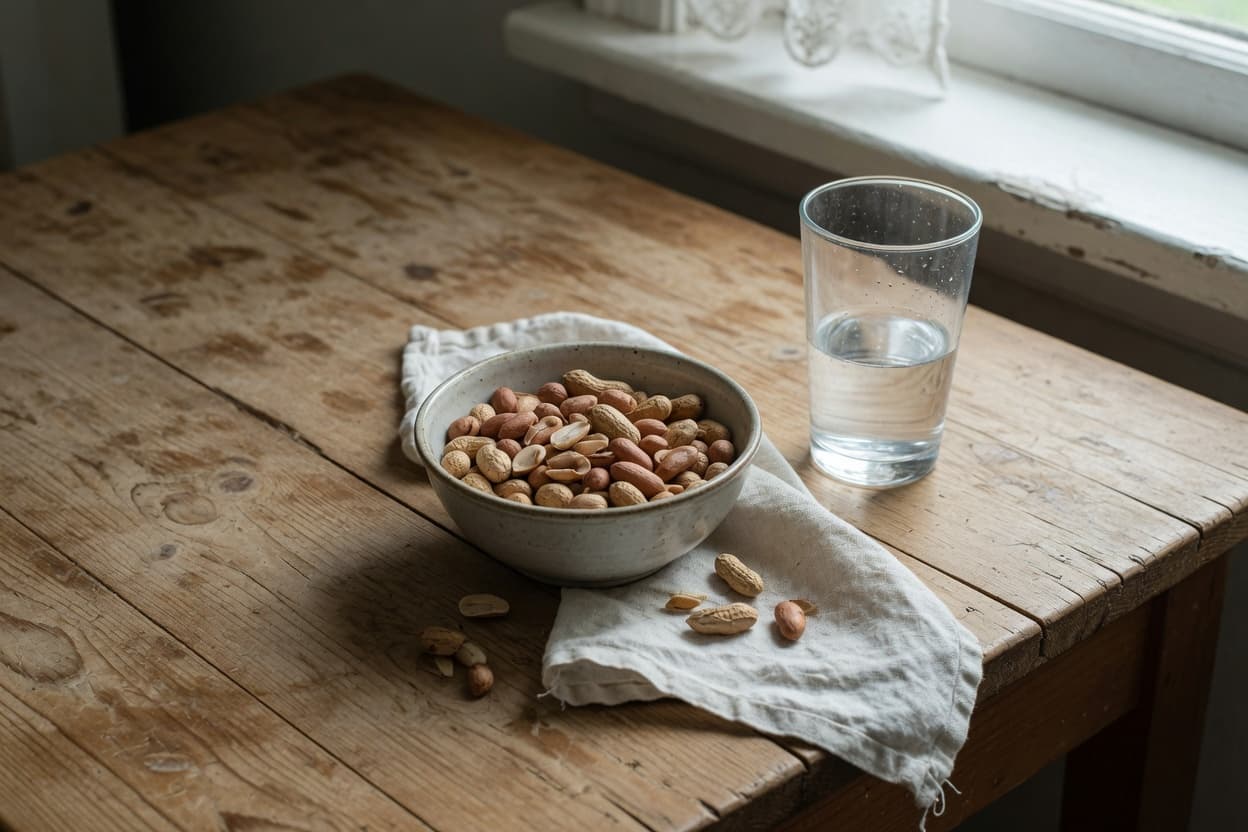
SciTechDaily reported this on 30 October 2026. Dominguez-Lopez, Schulze, and colleagues, at the German Institute of Human Nutrition and the University of Barcelona, published the work in the American Journal of Clinical Nutrition on 17 September 2026 (DOI 10.1016/j.ajcnut.2026.101527). In the ARISTOTLE feeding trial, 63 healthy adults aged 18 to 33 ate a daily food portion for six months: 25 g of skin-roasted peanuts, or 32 g of peanut butter, or 32 g of a control butter made with peanut oil. The blood pattern they call a peanut lipidomic signature rose in very-long-chain saturated fatty acids, especially lignoceric acid (C24:0) and behenic acid (C22:0), including in ceramides. They then looked at that signature in EPIC-Potsdam, more than 27,000 people, with 774 new cases of type 2 diabetes and 545 cases of cardiovascular disease. The signature was associated with a lower chance of type 2 diabetes, not with cardiovascular disease, and much of the diabetes link was statistically explained by BMI. The feeding trial was in young adults. The diabetes link is from the larger observational cohort, not from an age-band result, so this card is not tagged to one age group. This does not show that peanuts prevent diabetes. Not medical advice.

Read at SciTechDaily →Our summary♡ Save

  • Cardiovascular / lipids
  • Metabolic / glucose
  • Nutrition
  • study

News-Medical · 29 Oct 2026 · Nutrition

Four days of high-fat food primed a stronger skin inflammation response in mice

News-Medical, on 29 October 2026, reported a Nature paper dated 28 October 2026 (DOI 10.1038/s41586-026-11181-4). Sagar Bapat is the corresponding author and Zewen Jiang is a co-first author. Mice kept on low-fat or high-fat pellets had imiquimod cream put on one ear. Mice that were habitually on the high-fat food and obese had a severe skin reaction. Low-fat mice had a mild one. Low-fat mice moved to high-fat food for four days, then given the cream three days later, had a severe flare while still at a normal weight. Obese mice moved back to the low-fat food for four days had milder inflammation. Weeks later, a second cream dose on the same ear, after a return to low-fat food, triggered an outsized response. Fast-acting immune cells entered the skin, and T cells remained in the ear. A similar heightened response showed up in the lungs after a few days of high-fat food. A mouse diet does not map onto a human meal. The sex of the mice was not stated. Not medical advice.

Read at News-Medical →Our summary♡ Save

  • Metabolic / glucose
  • Nutrition
  • study
  • inflammation

ScienceDaily · 29 Oct 2026 · Nutrition

Higher intake of six sweeteners tracked with faster cognitive decline

ScienceDaily recirculated this on 29 October 2026 from an American Academy of Neurology release. The underlying paper is from 2025, not a new trial: Goncalves, Suemoto, and colleagues, Neurology 2025; 105(7), DOI 10.1212/WNL.0000000000214023, with a commentary at DOI 10.1212/WNL.0000000000214129. In 12,772 Brazilian adults, average age 52 at the start and followed for about 8 years, the highest intake of the sweeteners under study was about 191 mg a day, near one can of diet soda made with aspartame, and the lowest was about 20 mg a day. The highest group had a 62 percent faster decline in thinking and memory scores, about 1.6 extra years on those tests. The middle group declined 35 percent faster, about 1.3 years. The pattern was seen in adults younger than 60, in verbal fluency and overall cognition, and was not seen over 60. It was stronger in people with diabetes. The six sweeteners in the pattern were aspartame, saccharin, acesulfame-K, erythritol, sorbitol, and xylitol. Tagatose was not associated. Sorbitol had the highest average intake, at 64 mg a day. Intake was self-reported. The work is observational and does not show that these sweeteners cause the decline. Not medical advice.

Read at ScienceDaily →Our summary♡ Save

  • 40–59
  • Metabolic / glucose
  • Cognitive / dementia research
  • Nutrition
  • Aging
  • study
  • cognition
  • commentary

News-Medical · 28 Oct 2026 · Nutrition

Plant and animal protein tracked in opposite directions with testosterone in men

News-Medical, on 28 October 2026, summarized Wynne-Ellis and colleagues in the International Journal of Food Sciences and Nutrition (2026), using the Kuopio Ischaemic Heart Disease Risk Factor Study at the University of Eastern Finland. Four-day food records from 1984 to 1989 covered 2,546 men aged 42 to 60. Versus the lowest quartile, the highest animal-protein quartile had total testosterone 1.2 nmol/l lower, and the highest plant-protein quartile had total testosterone 1.1 nmol/l higher. SHBG moved in the same direction. The models adjusted for age, body mass, other parts of the diet, habits, and health. The work is observational. It does not show that changing protein sources changes testosterone, and it is not a reason to begin testosterone. Not medical advice.

Read at News-Medical →Our summary♡ Save

  • Men
  • 40–59
  • 60+
  • Cardiovascular / lipids
  • Nutrition
  • study

Medical Xpress · 27 Oct 2026 · Nutrition

A two-year low-carb diet that more than doubled saturated fat moved blood lipids in mixed directions

Medical Xpress posted this on 27 October 2026. A secondary analysis of the Norwegian CARBFUNC trial, led by Simon Dankel and Cathrine Loddervik at the University of Bergen, is reported in eBioMedicine (DOI 10.1016/j.ebiom.2026.106524). It followed 193 adults with obesity near Bergen for up to two years on three diets. One arm was high in total fat and saturated fat, with carbohydrate under 10 percent of energy and close to a third of energy from saturated fat. Two arms followed guideline-style carbohydrate patterns, one refined and one minimally refined. Energy targets were about 2,500 kcal for men and 2,000 kcal for women, with the same protein, added sugar around 1 to 2 percent of energy, and 500 grams of vegetables a day. On the high-fat arm, LDL cholesterol rose about 5 to 10 percent, mainly in larger particles, while small dense LDL changed little. The authors said a moderate LDL rise is not necessarily meaningless. Triglycerides fell about 20 to 35 percent and HDL rose about 5 to 18 percent on the high-fat arm, with little change on the higher-carbohydrate arms. Apolipoprotein B neither rose nor differed appreciably between groups. Coronary calcium on CT at 12 months showed no clear increase and no group difference. Dankel said more research is needed on long-term disease risk. The line that the LDL change cannot be dismissed is the authors' interpretation. This is not advice to raise saturated fat. Age and sex splits beyond the calorie targets were not stated. Not medical advice.

Read at Medical Xpress →Our summary♡ Save

  • Cardiovascular / lipids
  • Metabolic / glucose
  • Nutrition
  • study

VitaLonga is an educational longevity resource, not a pharmacy, clinic, or doctor. Content is not medical advice and is not intended to diagnose, treat, cure, or prevent any disease (DSHEA). Supplements can interact with medications and are not appropriate in every pregnancy or health condition. Consult a licensed clinician, especially if you take medications, are pregnant or nursing, or have a diagnosed condition.