PLOS Medicine / Nanjing University of Aeronautics and Astronautics · 29 Sept 2026 · Supplements / medicine
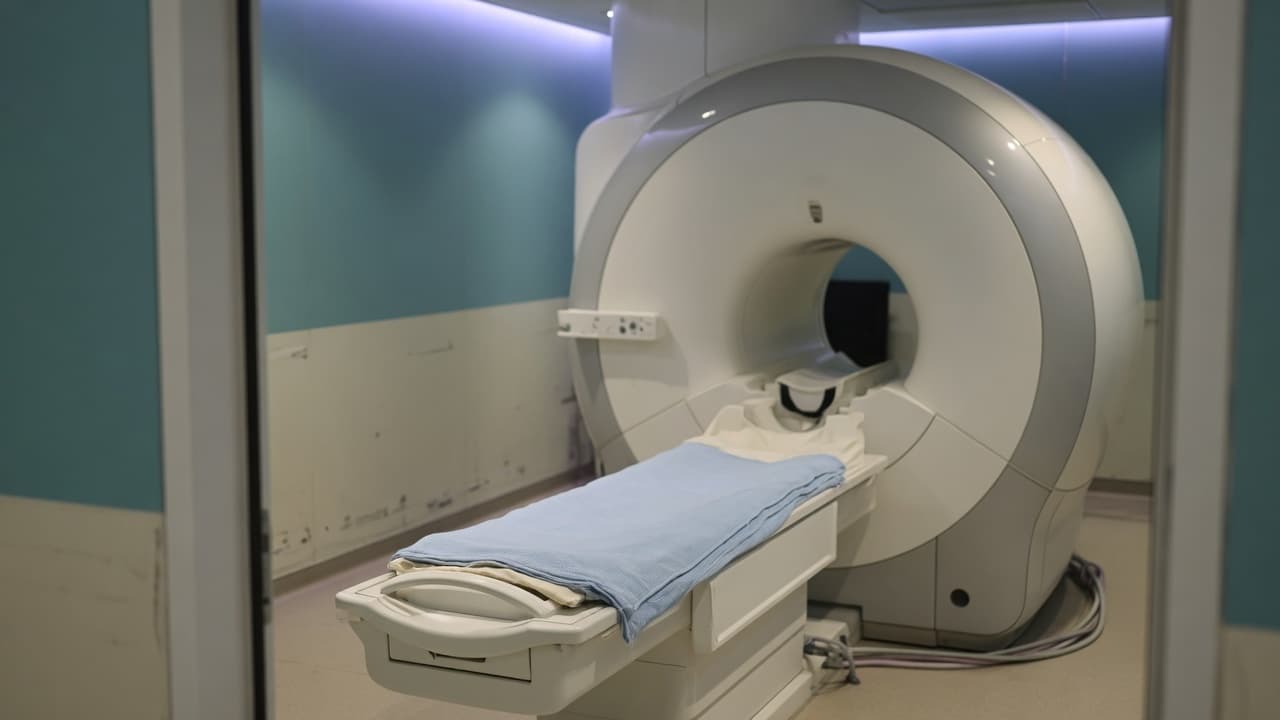
Study (case-control imaging). Shile Qi of Nanjing University of Aeronautics and Astronautics and colleagues, including Vince D. Calhoun, report in PLOS Medicine (doi 10.1371/journal.pmed.1004860; ScienceDaily 29 September 2026) a predictive age difference (PAD) analysis: brain age estimated from structural MRI minus calendar age. They used 45,900 control scans and 2,698 scans from people with ADHD, autism, alcohol or tobacco addiction, Alzheimer disease, mild cognitive impairment, schizophrenia, bipolar disorder, or major depression. Alzheimer disease and mild cognitive impairment showed the largest positive PAD. Addiction and several psychiatric diagnoses also showed higher PAD. ADHD and autism showed no overall PAD difference versus controls. The prefrontal cortex showed higher PAD across several diagnoses. Psychiatric diagnoses lined up with frontal and temporal PAD; dementia with frontal and occipital PAD; addiction with default-mode, salience, putamen, and thalamus PAD. The work is correlational and does not show that a diagnosis causes a brain to age faster. Educational notes.
Read at PLOS Medicine / Nanjing University of Aeronautics and Astronautics →♡ Save
- Cognitive / dementia research