VitaLonga

Desk

News archive

Every story stays here. Filter by topic, search older headlines, and save favorites to your member record. Educational notes only — not medical advice.

Saved (sign in)

245 stories in this category

NYU Langone / Nature · 7 Oct 2026 · Supplements / medicine

In 173 hospitalized patients, more sugar in the two days before antibiotics lined up with a less diverse gut microbiome

Study (hospital diet records, plus mice). ScienceDaily carried the NYU Langone account on 7 October 2026. Anqi Dai, Annamaria Ballweg, William Jogia, Jonas Schluter, Jonathan U. Peled, Marcel R. M. van den Brink, and colleagues report in Nature (2026; doi 10.1038/s41586-026-11077-3). The paper was posted online on 30 September 2026. Staff logged 9,419 meals for 173 people hospitalized with blood cancers, a group that often receives antibiotics and stem-cell transplant care, and sampled the gut microbiome daily. For every extra 100 grams of sugar in the 48 hours before treatment, alpha diversity fell by an additional 21 percent. Sugary intake plus antibiotics also lined up with more Enterococcus faecium. In mice, the antibiotic biapenem plus dietary sucrose raised gut Enterococcus 16.3-fold by day 3 and 33.4-fold by day 6. The authors say surviving bacteria may use the sugar to expand, and that a trial is still needed before a diet change can be said to improve outcomes. Schluter has filed intellectual property related to the microbiome and disclosed industry ties managed by NYU Langone. The release does not give sex or age. Educational notes. This is not a diet prescription.

Read at NYU Langone / Nature →Our summary♡ Save

  • Cancer
  • Nutrition
  • Medicine
  • study
  • gut
  • nutrition
  • off-label-context

Kyushu University / Journal of Wood Science · 6 Oct 2026 · Supplements / medicine

In 12 women ages 35 to 60, two weeks of hinoki-root scent at home lined up with fewer night awakenings

Study (small home crossover; 12 Japanese women ages 35 to 60). ScienceDaily carried the Kyushu University account on 6 October 2026. Fadilla Zennifa, Kuniyoshi Shimizu, and colleagues report in the Journal of Wood Science (2026; doi 10.1186/s10086-026-02296-3). The oil came from roots of hinoki, Chamaecyparis obtusa, a timber tree whose roots are often discarded. Each woman used the oil for two weeks and an unscented control for two weeks, in random order, single-blind. Three drops went into a paper cup; she inhaled for 10 seconds, then left the cup about 30 centimeters from her nose overnight. A headband recorded brain waves and a watch tracked sleep. By day 13, the oil period was linked with feeling less sleepy and more recovered on waking, and the watches showed fewer awakenings. After seven days, delta-wave activity rose around sleep onset. The scent was rated more relaxing than the control. The sample is 12 people. This is not a sleep medicine, and the release does not compare it with treatment for a sleep disorder. Educational notes. This is not medical advice.

Read at Kyushu University / Journal of Wood Science →Our summary♡ Save

  • Women
  • Under 40
  • 40–59
  • Cognitive / dementia research
  • Medicine
  • study
  • sleep
  • cognition

Northwestern University / JAMA Health Forum · 6 Oct 2026 · Supplements / medicine

In 405 pregnant patients in Chicago, a navigator raised postpartum visits and primary care a year later

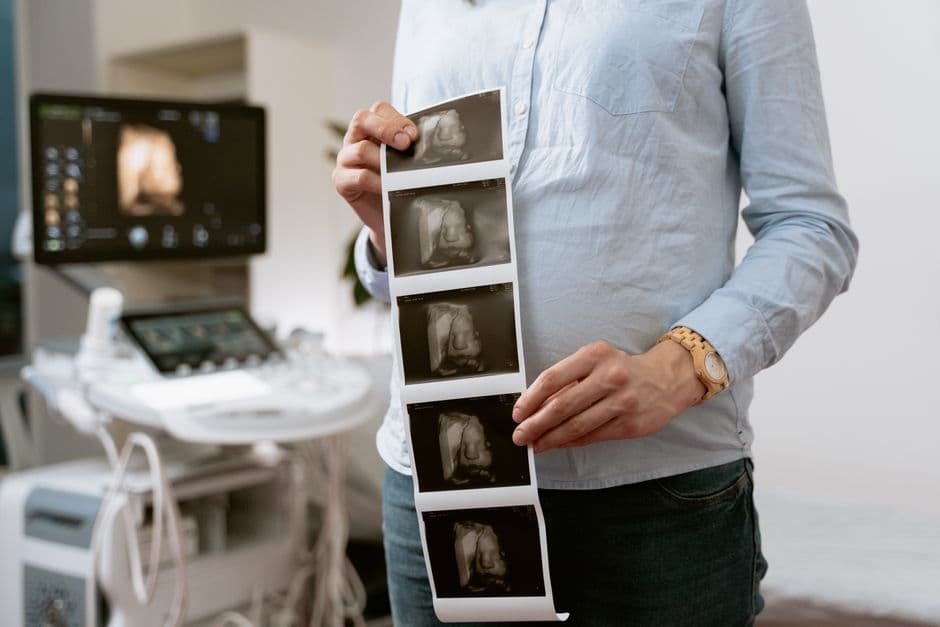
Study (care-navigation trial, not a drug or diet trial). ScienceDaily carried the Northwestern University account on 6 October 2026. Lynn Yee and colleagues report in JAMA Health Forum (2026; 7(10):e263338; doi 10.1001/jamahealthforum.2026.3338). The study enrolled 405 pregnant people at Prentice Women’s Hospital in Chicago from 2020 to 2024. Those paired with a bilingual navigator, from late pregnancy through the first year after birth, were more likely than usual care to attend a postpartum visit (96 percent versus 80 percent), receive counseling on needed topics (65 versus 51), have depression screening and care (86 versus 72), attend primary care at one year (57 versus 30), be using their chosen family-planning method at one year (65 versus 43), and have preventive checks recorded for blood pressure (85 versus 62), lipids (28 versus 13), and glucose (31 versus 16). Navigators helped with transport, childcare, scheduling, and health information. The release does not give a mean age. The comparisons are process-of-care results, not a test of a supplement. Educational notes. This is not medical advice.

Read at Northwestern University / JAMA Health Forum →Our summary♡ Save

  • Women
  • Under 40
  • 40–59
  • Cardiovascular / lipids
  • Metabolic / glucose
  • Nutrition
  • Supplements
  • Medicine
  • study
  • nutrition

Brigham Young University / Family Relations · 6 Oct 2026 · Supplements / medicine

In nearly 1,700 young married couples, exercising together lined up with calmer conflict and better communication

Study (survey of young married couples; not a training trial). ScienceDaily carried the Brigham Young University account on 6 October 2026. Ashlyn Mildenhall, Matthew Nunez, and Jeremy Yorgason report in Family Relations (2026; doi 10.1111/fare.70260), using the CREATE study of nearly 1,700 young married couples in the United States. Both individual exercise and shared exercise lined up with better communication, better conflict resolution, and less marital stress. Shared activity had the stronger link. About 60 percent of husbands and wives said they exercised, and about a third exercised together. Walking was the most common shared activity. The authors call the effect small and consistent, and they say it is not a fix for every relationship problem. The release does not give ages beyond “young,” and it does not measure fitness or disease. Educational notes. This is not a workout prescription.

Read at Brigham Young University / Family Relations →Our summary♡ Save

  • Women
  • Men
  • Under 40
  • Exercise
  • Medicine
  • study
  • fitness
  • off-label-context

Stanford Medicine / Science · 6 Oct 2026 · Supplements / medicine

Blocking an age-linked enzyme regrew knee cartilage in old mice and in tissue from knee replacements

Study (old mice, plus human cartilage taken during knee replacement). ScienceDaily carried the Stanford Medicine account on 6 October 2026. Mamta Singla, Yu Xin Wang, Helen Blau, Nidhi Bhutani, and colleagues report in Science (2026; 391(6789):1053; doi 10.1126/science.adx6649). The enzyme 15-PGDH, which they call a gerozyme, was about twice as abundant in knee cartilage from old mice as from young mice. A small-molecule inhibitor, given into the abdomen or into the knee, thickened hyaline cartilage across the joint in older mice. After an ACL-like injury, twice-weekly inhibitor for four weeks lowered the chance of osteoarthritis; mice given a control drug had about twice the 15-PGDH of uninjured knees and developed osteoarthritis within four weeks. The release says about half of people with these ligament injuries develop osteoarthritis in that joint within about 15 years, and that osteoarthritis affects about one in five U.S. adults. In cartilage from people undergoing total knee replacement, one week of the inhibitor reduced degradation-related gene activity and the tissue began making articular cartilage. The release does not give the number of mice or the ages of the people whose tissue was studied. An oral 15-PGDH inhibitor has phase 1 data for muscle weakness in healthy volunteers, not for joints. Some authors are inventors on Stanford patents licensed to Epirium Bio, and Blau is a cofounder. This is not a drug available for arthritis. Educational notes. This is not medical advice.

Read at Stanford Medicine / Science →Our summary♡ Save

  • Exercise
  • Medicine
  • study

University of Calgary / Journal of Neuro-Oncology · 4 Oct 2026 · Supplements / medicine

In 24 people with newly diagnosed glioblastoma, high-dose niacin plus standard care had an early progression-free signal

Study (interim phase 1–2 cancer trial; controlled-release niacin with chemotherapy and radiotherapy). ScienceDaily carried the University of Calgary account on 4 October 2026. Gloria Roldan Urgoiti, Wee Yong, and colleagues report in the Journal of Neuro-Oncology (2025; 176(1); doi 10.1007/s11060-025-05351-z). The idea came from mouse work in which niacin lengthened survival. In people, the team set a stop rule if six-month progression-free survival did not beat older studies by at least 20 percent. In the first 24 patients, 82 percent were progression-free at six months, which the researchers describe as a 28 percent increase versus those earlier studies. They plan to enroll 48 and to finish analysis in late 2026 or early 2027. Ages for the 24 are not given. The release says high-dose niacin can be toxic and is being given only under medical monitoring. Store-shelf vitamin B3 is not this protocol, and the result is preliminary. Educational notes. This is not medical advice and not a substitute for prescribed cancer treatment.

Read at University of Calgary / Journal of Neuro-Oncology →Our summary♡ Save

  • Cancer
  • Supplements
  • study

UCLA Health / eBioMedicine · 4 Oct 2026 · Supplements / medicine

In nearly 1,500 younger and midlife adults, an older-looking brain lined up with gut bacteria and weaker memory

Study (cross-sectional brain scans, plus stool in one group). ScienceDaily carried the UCLA Health account on 4 October 2026. Kanhao Zhao, Arpana Church, and colleagues report in eBioMedicine (2026; 132:106468; doi 10.1016/j.ebiom.2026.106468). The paper title describes young and mid-life adults. Resting scans from nearly 1,500 people in three groups were used to estimate brain age from how regions communicate. The gap versus chronological age was called the Brain Aging Index. Across the groups, a higher index lined up with worse working memory and executive function and with more depression symptoms. In one group, stool samples linked a higher index to particular gut bacteria and metabolites, including some fat molecules, a cholesterol-related compound, and lower estetrol. The release does not split results by sex and does not give a hazard ratio or a treatment. Church said the signals may be detectable decades before obvious symptoms, and that targeting the gut is a hypothesis, not a program tested here. Educational notes. This is not a dementia test or a diet prescription.

Read at UCLA Health / eBioMedicine →Our summary♡ Save

  • Under 40
  • 40–59
  • Cardiovascular / lipids
  • Cognitive / dementia research
  • Nutrition
  • Medicine
  • Aging
  • study
  • cognition
  • aging
  • gut
  • nutrition
  • off-label-context

Wiley / Cancer · 3 Oct 2026 · Supplements / medicine

In 109 people with early blood disorders, daily vitamin C did not slow abnormal cell growth; an exploratory look found fewer deaths

Study (phase 2 randomized trial). The EVITA trial, published online in Cancer (2026; 132(19); doi 10.1002/cncr.70549; ScienceDaily 3 October 2026), enrolled 109 people in Denmark and the United States with a blood disorder that can become cancer or with a low-risk blood cancer. Fifty-five people took 1,000 mg of oral vitamin C a day and 54 took placebo for 12 months. The primary result, growth of the abnormal cells, was similar in the two groups. Vitamin C lined up with inflammatory-signal changes the authors read as favorable, and with fewer cases of anemia, pneumonia, acute aseptic arthritis, and internal bleeding. Gastrointestinal problems were more common on vitamin C. At a median 33.6 months, 35 people had died: 11 assigned to vitamin C and 24 assigned to placebo. That survival comparison was exploratory. Co-senior authors Peter A. Jones of Van Andel Institute and Kirsten Grønbæk of Rigshospitalet said it is too soon for a recommendation and that a larger phase 3 trial is needed. Educational notes. This is not a reason to take 1,000 mg of vitamin C to prevent cancer.

Read at Wiley / Cancer →Our summary♡ Save

  • Cancer
  • Supplements
  • study
  • inflammation

Cedars-Sinai / Nature Metabolism · 3 Oct 2026 · Supplements / medicine

Restoring a liver enzyme called UBE2N reduced fat, inflammation, and scarring in a mouse model of fatty liver disease

Study (mice; preclinical). Ekihiro Seki and colleagues, including Cedars-Sinai, report in Nature Metabolism (2026; 8(9):1926; doi 10.1038/s42255-026-01590-0; ScienceDaily 3 October 2026). The American Liver Foundation figure quoted in the release is that about 100 million people in the United States have metabolic dysfunction-associated steatotic liver disease, and that roughly 20% to 25% of them develop the inflammatory, scarring form called MASH. The group found that the enzyme UBE2N falls in liver cells as that disease advances. UBE2N helps clear damaged mitochondria and break down fat. Restoring it in laboratory mice reduced fat accumulation, inflammation, and scarring. There is no cure for MASH; current care is mainly lifestyle change, and medicines remain limited. This is a mouse result, not a human treatment trial. Educational notes. This is not a supplement for fatty liver.

Read at Cedars-Sinai / Nature Metabolism →Our summary♡ Save

  • Metabolic / glucose
  • Supplements
  • Medicine
  • study
  • inflammation

University of Wisconsin-Madison / Nature Communications · 3 Oct 2026 · Supplements / medicine

In nearly 1,200 adults, higher blood levels of a gut molecule called ImP tracked faster cognitive decline

Study (mice plus human blood and cognitive follow-up). Barbara Bendlin, Federico Rey, and colleagues report in Nature Communications (2026; 17(1); doi 10.1038/s41467-026-74744-z; ScienceDaily 3 October 2026). Imidazole propionate (ImP) is made by some gut bacteria as they get energy from histidine. In mice, ImP that reached the brain increased abnormal beta amyloid and tau. In almost 1,200 people in the Wisconsin Registry for Alzheimer’s Prevention and the Wisconsin Alzheimer’s Disease Research Center, higher blood ImP lined up with markers of those abnormal proteins and with faster decline on repeated cognitive tests. About 43% of the people carried a genetic variation tied to higher ImP; the team suspects it may change how well the kidneys clear the molecule. Earlier work had linked ImP to type 2 diabetes and coronary artery disease. Bendlin said a generally better diet would probably help, and that the finding is not an instruction to stop eating eggs or red meat, because histidine is an essential amino acid found in many foods. A drug that lowers ImP is a hypothesis, not a product in this paper. UCLA and the University of Gothenburg contributed. Educational notes. This is not a dementia treatment.

Read at University of Wisconsin-Madison / Nature Communications →Our summary♡ Save

  • Cardiovascular / lipids
  • Metabolic / glucose
  • Cognitive / dementia research
  • Nutrition
  • Medicine
  • study
  • cognition
  • gut
  • nutrition

University of Cologne / Nature Cell Biology · 3 Oct 2026 · Supplements / medicine

Leucine stabilized mitochondrial proteins in cells and worms; this is not a human diet trial

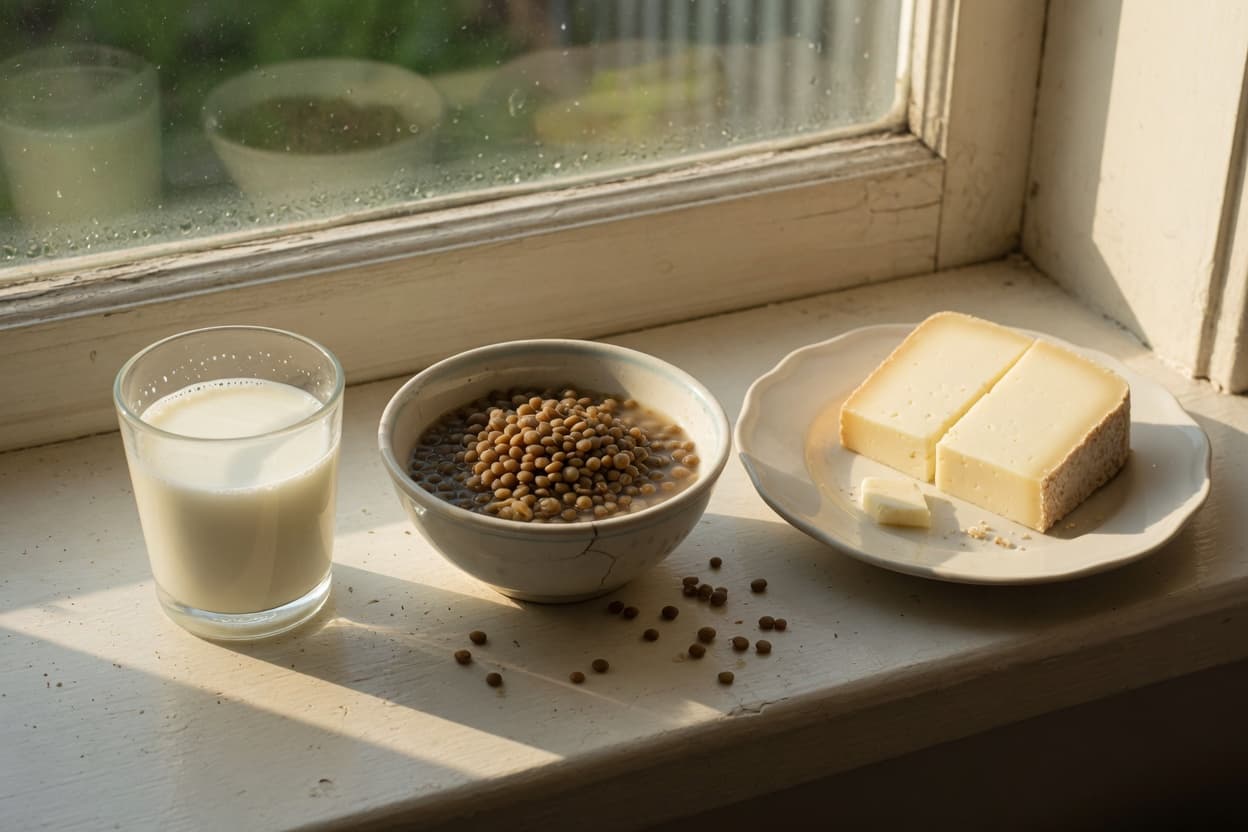
Study (cells and Caenorhabditis elegans). Qiaochu Li, Thorsten Hoppe, and colleagues at the University of Cologne’s CECAD aging center report that the essential amino acid leucine slows breakdown of proteins on the outer mitochondrial membrane by reducing activity of the quality-control protein SEL1L, so mitochondria can raise energy output when nutrients are plentiful. ScienceDaily carried the university account on 3 October 2026. The page’s journal line reads Nature Cell Biology 2025; 27(11):1889; doi 10.1038/s41556-025-01799-3. In the worms, problems breaking leucine down disrupted mitochondria and were linked to fertility problems. In human lung cancer cells, some mutations in leucine metabolism helped the cancer cells survive. Li cautioned that SEL1L also clears damaged proteins, so changing that balance could have costs. Leucine is abundant in dairy, meat, beans, and lentils. This is laboratory and animal work, not a test of a high-leucine diet or a supplement in people. Educational notes. This is not a reason to load leucine.

Read at University of Cologne / Nature Cell Biology →Our summary♡ Save

  • Metabolic / glucose
  • Cancer
  • Nutrition
  • Supplements
  • Aging
  • study
  • aging
  • nutrition

University of Oxford / BMJ Public Health · 2 Oct 2026 · Supplements / medicine

In 1.4 million adults in England, 59% of people with high blood pressure had never been diagnosed

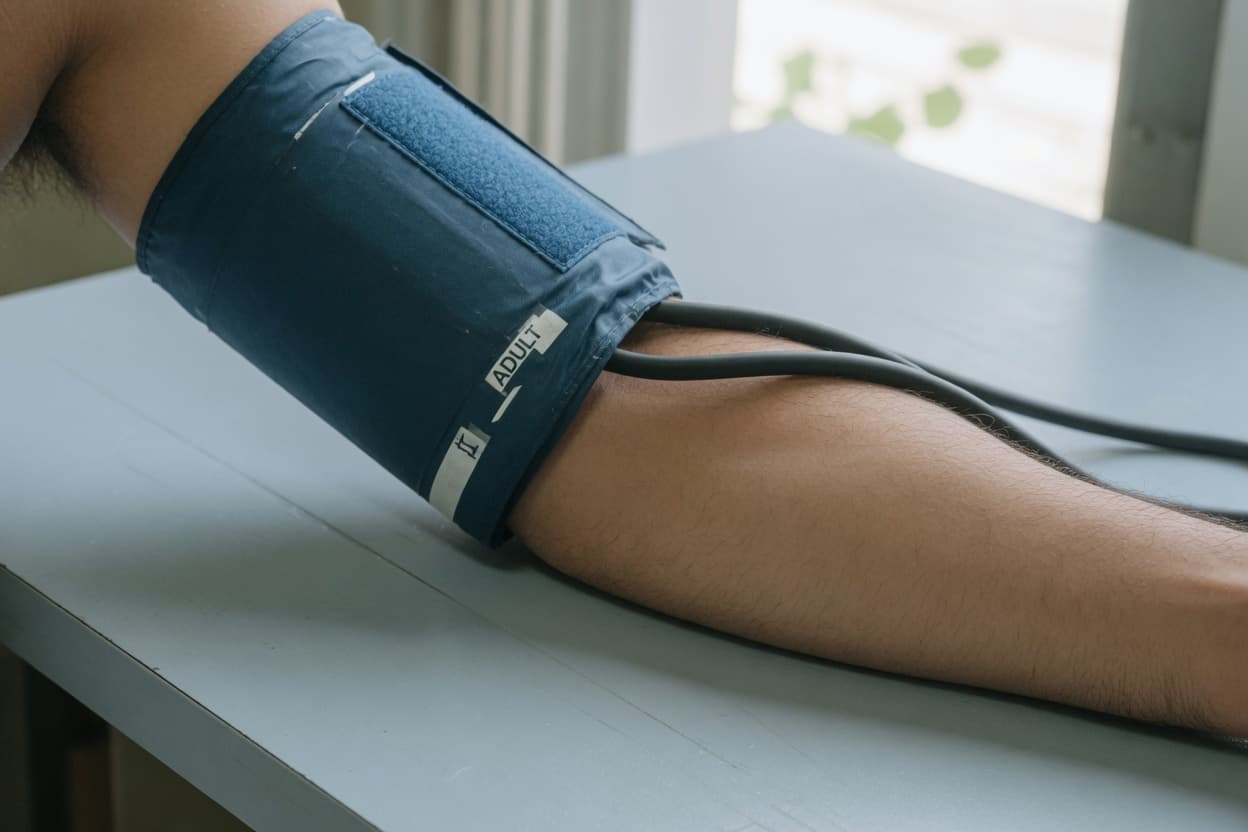
Study (cross-sectional clinic readings). Wenyu Liu, David John Hunter, and colleagues at Oxford Population Health report in BMJ Public Health (2026; 4(3):e004815; doi 10.1136/bmjph-2025-004815; ScienceDaily 2 October 2026). They used Our Future Health readings from people who joined in 2022–2025. Hypertension was a systolic pressure of at least 140 mmHg, a diastolic pressure of at least 90 mmHg, or blood-pressure medicine. About 37% met that definition: 15% of people ages 18 to 39, and 71% of people ages 80 or older. Age-standardized prevalence was 42% in men and 29% in women. Almost 59% of people who met the definition had never been diagnosed and were not on medicine. Among people already taking medicine, half still read 140/90 mmHg or higher. The authors argue that repeating measurements and trying lifestyle changes before medicine, as in current NICE guidance, leaves too many people undetected or undertreated. This is a snapshot of detection, not a test of a drug or a diet. Educational notes. A headline is not a blood-pressure diagnosis.

Read at University of Oxford / BMJ Public Health →Our summary♡ Save

  • Women
  • Men
  • Under 40
  • 40–59
  • 60+
  • Cardiovascular / lipids
  • Nutrition
  • Medicine
  • study
  • nutrition

VitaLonga is an educational longevity resource, not a pharmacy, clinic, or doctor. Content is not medical advice and is not intended to diagnose, treat, cure, or prevent any disease (DSHEA). Supplements can interact with medications and are not appropriate in every pregnancy or health condition. Consult a licensed clinician, especially if you take medications, are pregnant or nursing, or have a diagnosed condition.