VitaLonga

Desk

News archive

Every story stays here. Filter by topic, search older headlines, and save favorites to your member record. Educational notes only — not medical advice.

Saved (sign in)

245 stories in this category

Journal of the International Society of Sports Nutrition · 18 Oct 2026 · Supplements / medicine

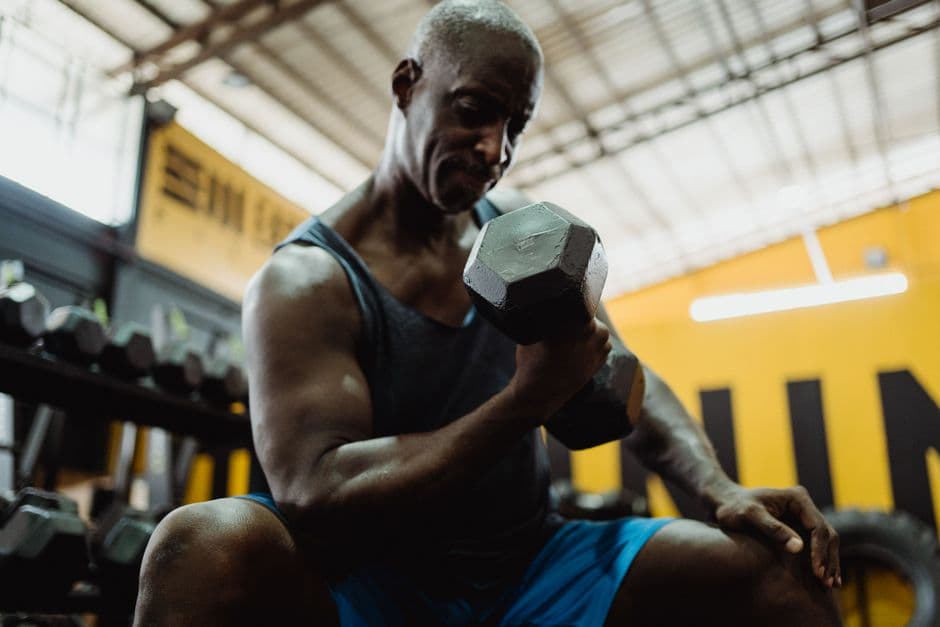
Across 7 trials and 608 postmenopausal women, creatine plus resistance training lined up with a small gain in lean mass

Study (systematic review and meta-analysis). A review in the Journal of the International Society of Sports Nutrition (DOI 10.1080/15502783.2026.2668435) pooled 7 randomized trials in 608 postmenopausal women, mean age about 62, lasting 12 to 104 weeks (median 38). Lean mass in 5 trials (338 women) favored creatine by 0.37 kg (95 percent CI 0.05 to 0.69). Leg-press strength in 3 trials (111 women) favored creatine by 7.5 kg (2.2 to 12.8). The gain showed up at doses of at least 5 grams a day together with resistance training. Trials at 3 grams a day or less without training did not show a measurable effect. Bone density did not change overall. Side effects were mild and similar to placebo, and kidney lab measures were unchanged. Most trials had some concerns about bias, and the review was not prospectively registered. This is not a reason to start a supplement. Not medical advice. Not a substitute for a prescribed medicine.

Read at Journal of the International Society of Sports Nutrition →Our summary♡ Save

  • Women
  • 60+
  • Exercise
  • Nutrition
  • Supplements
  • Medicine
  • creatine
  • strength
  • review
  • fitness
  • nutrition
  • study

ScienceDaily · 17 Oct 2026 · Supplements / medicine

New drug reverses severe fatty liver disease by repairing the gut

Scientists have discovered that a potential new drug can reverse severe fatty liver disease in animal models by restoring gut health and blocking harmful substances from reaching the liver. The breakthrough could pave the way for new treatments for liver disease and potentially other serious conditions, including cardiovascular disease.

Read at ScienceDaily →Our summary♡ Save

  • Cardiovascular / lipids
  • Metabolic / glucose
  • Medicine
  • news
  • gut

British Journal of Sports Medicine · 16 Oct 2026 · Supplements / medicine

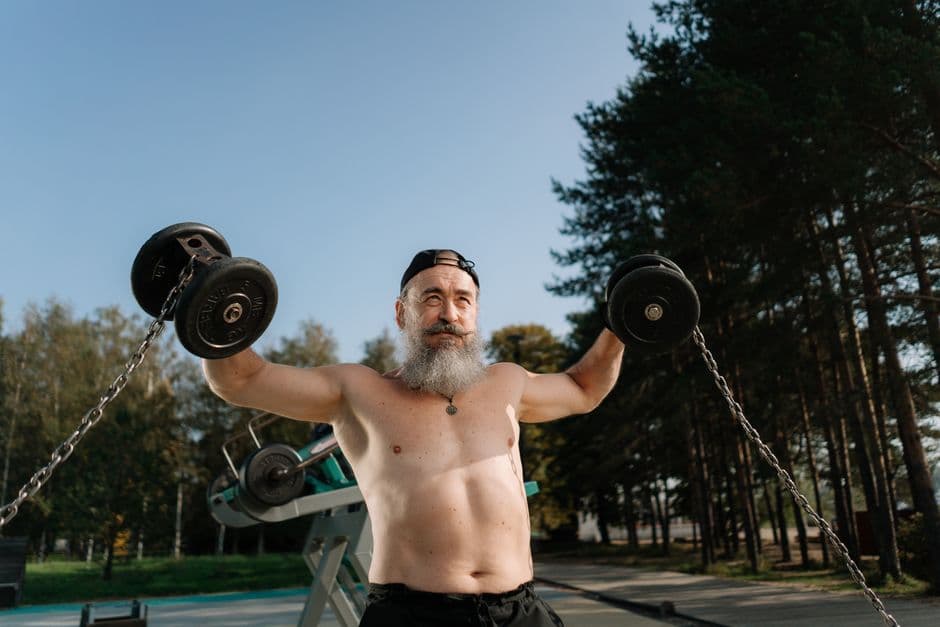
Across 147,374 health workers followed up to 30 years, 90 to 119 minutes a week of resistance work lined up with a 13 percent lower death rate

Study (observational, repeated questionnaires). Zhang, Lee, Rezende, Ma, and Giovannucci report in the British Journal of Sports Medicine (2026; 60:874; DOI 10.1136/bjsports-2025-110503). The Nurses' Health Study, the Nurses' Health Study II, and the Health Professionals Follow-up Study included 31,540 men and 115,834 women and recorded 35,798 deaths over up to 30 years. Versus no resistance work, 90 to 119 minutes a week lined up with a hazard ratio of 0.87 for death from any cause (95 percent CI 0.81 to 0.95), 0.81 for cardiovascular death, and 0.73 for neurological-disease death, after accounting for aerobic activity. Above 120 minutes a week the death-rate link did not keep growing. Cancer death was lower only at 1 to 29 minutes (0.91) and 30 to 59 minutes (0.88). People with higher aerobic activity plus 60 to 119 minutes of resistance work had a hazard ratio of about 0.55 versus low aerobic activity and no resistance work. Habits were self-reported. This is not proof that lifting caused longer life. Not medical advice.

Read at British Journal of Sports Medicine →Our summary♡ Save

  • Women
  • Men
  • 40–59
  • 60+
  • Cardiovascular / lipids
  • Cancer
  • Exercise
  • Medicine
  • Longevity
  • resistance
  • mortality
  • cohort
  • fitness
  • study

Penn Medicine / JAMA · 16 Oct 2026 · Supplements / medicine

In one man treated in his fifties, brain regions cleared of amyloid held little tau while neighboring regions did not

Case report (one brain). Christopher A. Brown, David Wolk, Edward B. Lee, and colleagues at Penn Medicine report in JAMA (DOI 10.1001/jama.2026.13058). The man was diagnosed in his fifties with mild cognitive impairment from Alzheimer disease, then received 30 doses of aducanumab over four and a half years. He died about four years after the last dose. On the raised ridges of the cortex, amyloid plaques were largely gone and tau tangles were scarce. In the neighboring grooves, amyloid remained and tau, inflammation, and tissue loss were much heavier. Scans during life had already shown uneven clearance. Aducanumab is no longer sold. Newer amyloid antibodies use a related approach, but this single case cannot prove that clearance caused the tau difference or name a dose that protects people. Not medical advice.

Read at Penn Medicine / JAMA →Our summary♡ Save

  • Men
  • 40–59
  • Cognitive / dementia research
  • Medicine
  • alzheimer
  • amyloid
  • tau
  • cognition
  • inflammation

Texas A&M / Journal of the International Society of Sports Nutrition · 16 Oct 2026 · Supplements / medicine

In 64 adults ages 45 to 65, daily creatine lined up with more lean tissue even without a structured training plan

Study (12 weeks; people chose whether to join a training plan, then were randomized to creatine or placebo). Richard Kreider and colleagues at Texas A&M report in the Journal of the International Society of Sports Nutrition (DOI 10.1080/15502783.2026.2716273). Sixty-four healthy adults ages 45 to 65 finished. The study dose was 10 grams of creatine monohydrate a day. In the group that did not join the plan, creatine lined up with about 2.4 pounds more lean tissue and higher leg-press and bench-press loads. In the group that trained and ate at a modest calorie deficit, creatine lined up with nearly 3 pounds more lean tissue and a larger drop in body-fat percentage, while the placebo group showed little lean-tissue change. Creatine did not add aerobic capacity beyond training alone. Assignment to training was not randomized. A 2025 review by the same lab of 685 trials found no significant gap in reported side-effect rates versus placebo. This is not a disease treatment, not a personal dose, and not medical advice.

Read at Texas A&M / Journal of the International Society of Sports Nutrition →Our summary♡ Save

  • 40–59
  • 60+
  • Exercise
  • Nutrition
  • Supplements
  • creatine
  • lean-tissue
  • middle-age
  • fitness
  • nutrition
  • study

Rutgers / Annals of Internal Medicine · 16 Oct 2026 · Supplements / medicine

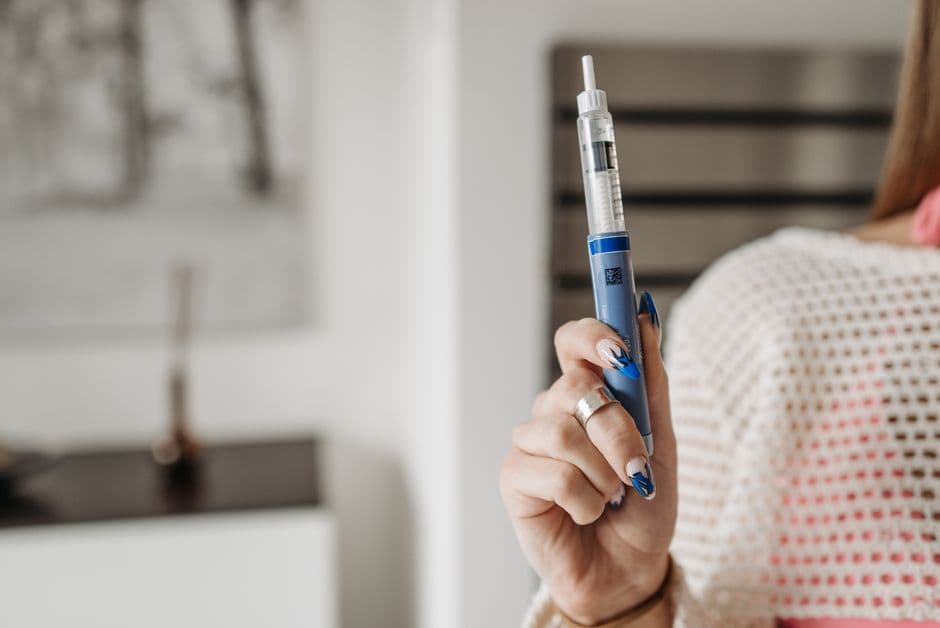
In adults ages 18 to 65 with type 2 diabetes, GLP-1 medicines lined up with about 3 to 4 extra optic-nerve injury cases per 10,000

Study (records comparison, not a trial). Chintan Dave and colleagues at Rutgers report in Annals of Internal Medicine (DOI 10.7326/ANNALS-25-00860) on US adults ages 18 to 65 with type 2 diabetes who had recently started a glucose-lowering medicine. GLP-1 receptor agonists, including semaglutide (Ozempic, Wegovy) and tirzepatide (Mounjaro, Zepbound), lined up with about three to four additional ischemic optic neuropathy cases per 10,000 people over 18 months. The injury can cause sudden vision loss; about one third of patients regain some sight, usually in the first six months, and some loss often remains. Cases clustered in men and in ages 50 to 65. The authors say this is not proof the medicines caused the injury. It is not a reason to start or stop a prescription. Sudden vision changes need a clinician promptly. Not medical advice. Not a substitute for a prescribed medicine. Off-label use is clinician-only. Educational supplement parallel (not a replacement): When headlines discuss GLP-1 medicines and aging, people often research food-first fiber or bitter-botanical “pathway support” formulas. Those are not semaglutide, not compounded GLP-1, and not a substitute for a prescribed GLP-1 drug. Mouse or marketing claims are hype until human outcome data exist. Weakly evidenced. Store: /store/glp1-pathway-support. Not medical advice. Not a substitute for a prescribed medicine. Off-label prescription use is clinician-only. VitaLonga does not diagnose, treat, or cure disease. Never start, stop, or replace a prescription with a supplement on the basis of a headline.

Read at Rutgers / Annals of Internal Medicine →Our summary♡ Save

  • Under 40
  • 40–59
  • 60+
  • Metabolic / glucose
  • Medicine
  • glp1
  • vision
  • type-2
  • study
  • off-label-context

ScienceDaily · 15 Oct 2026 · Supplements / medicine

Ozempic and Wegovy linked to rare risk of sudden vision loss

Popular diabetes and weight loss drugs such as Ozempic and Wegovy have been linked to a slightly increased risk of a rare condition that can cause sudden, potentially permanent vision loss. Although the risk remains very low, Rutgers researchers say the findings warrant attention as millions of people turn to GLP-1 medications. Educational supplement parallel (not a replacement): When headlines discuss GLP-1 medicines and aging, people often research food-first fiber or bitter-botanical “pathway support” formulas. Those are not semaglutide, not compounded GLP-1, and not a substitute for a prescribed GLP-1 drug. Mouse or marketing claims are hype until human outcome data exist. Weakly evidenced. Store: /store/glp1-pathway-support. Not medical advice. Not a substitute for a prescribed medicine. Off-label prescription use is clinician-only. VitaLonga does not diagnose, treat, or cure disease. Never start, stop, or replace a prescription with a supplement on the basis of a headline.

Read at ScienceDaily →Our summary♡ Save

  • Metabolic / glucose
  • Nutrition
  • Supplements
  • Medicine
  • Aging
  • news
  • glp1
  • off-label-context
  • aging
  • nutrition

ScienceDaily · 14 Oct 2026 · Supplements / medicine

A Bath commentary says sleep and meals beat most recovery products

ScienceDaily carried on 14 October 2026 a Conversation commentary by Max Davis at the University of Bath Centre for Nutrition, Exercise and Metabolism. It is a review of existing recovery research, not a new trial. Ice baths may ease next-day soreness while also blunting some training adaptations if used all the time. Compression and massage more clearly change how recovered people feel than how strongly a muscle performs. On products, the piece says whey has small-to-moderate support for muscle repair, branched-chain amino acids look weaker than a complete protein food, tart cherry has small-to-moderate soreness data, and omega-3 results are inconsistent. The author argues for sleep, enough carbohydrate, and protein from food in the range of 20–40 grams after hard sessions, rather than a bottled shortcut. Not a product recommendation. Not medical advice.

Read at ScienceDaily →Our summary♡ Save

  • Metabolic / glucose
  • Exercise
  • Nutrition
  • Supplements
  • commentary
  • sleep
  • fitness
  • nutrition
  • study

The BMJ · 14 Oct 2026 · Supplements / medicine

A BMJ editorial says commercial testosterone prescribing is widening beyond men with a clear deficiency

Commentary (editorial, not a new trial). Stephen Atkin and Eric Kilpatrick write in The BMJ on 14 Oct 2026 that commercial testosterone prescribing may be reaching people with nonspecific symptoms and borderline tests, not only men with well characterized hypogonadism. NHS community dispensing rose 52 percent from 2020–21 to 2024–25. They cite a UK market near $205 million in 2024, projected near $365 million by 2032, and private subscriptions of about £100 to £375 a month. Up to a fifth of men over 50 may report deficiency symptoms, while under 1 percent are treated in the NHS. Private prescriptions are not counted nationally. The same editorial notes NHS testosterone gel for women aged 50 and older rose from 429 recipients in November 2015 to 4,675 in November 2022, counting people rather than items. Testosterone replacement can help carefully selected patients. Starting, stopping, or buying it outside a clinician is not supported here. Not medical advice. Not a substitute for a prescribed medicine. Off-label use is clinician-only.

Read at The BMJ →Our summary♡ Save

  • Men
  • 40–59
  • 60+
  • Medicine
  • Aging
  • testosterone
  • prescribing
  • study
  • commentary
  • off-label-context

Journal of Dietary Supplements · 14 Oct 2026 · Supplements / medicine

A review of 12 placebo-controlled trials found the evidence that magnesium helps sleep is inconsistent and low certainty

Study (systematic review). Adrian Lopresti and colleagues reviewed 12 placebo-controlled trials of magnesium for sleep in adults. Certainty was low or very low for the sleep outcomes. Forms included L-threonate, oxide, chloride, gluconate, citrate, bisglycinate, and one food-grown product, and no trial compared forms head to head. Some trials in older adults with insomnia and in people with self-reported poor sleep looked favorable. Trials in polycystic ovary syndrome, fibromyalgia, and cognitive impairment did not show a clear magnesium-specific sleep benefit. Most trials had a medium-to-high risk of bias, and some people reported mild stomach upset. The authors say this does not prove magnesium never helps, and it also does not support selling it as an established insomnia treatment. Not medical advice.

Read at Journal of Dietary Supplements →Our summary♡ Save

  • Cognitive / dementia research
  • Nutrition
  • Supplements
  • Aging
  • magnesium
  • sleep
  • cognition
  • aging
  • study

Aging & Mental Health · 14 Oct 2026 · Supplements / medicine

In 9,476 Chinese adults ages 45 and older, sleeping under 6 hours lined up with higher odds of psychological frailty

Study (observational cohort). In 9,476 adults ages 45 and older in the China Health and Retirement Longitudinal Study, nighttime sleep reported in 2011 was compared with a psychological frailty index in 2018. Sleep under 6 hours lined up with higher odds than 6 to 8 hours (odds ratio 1.27, 95% CI 1.08 to 1.51). Persistent short sleep had an odds ratio of 1.44 (95% CI 1.15 to 1.81). The fitted curve bent near 7.6 hours of night sleep and 8.6 hours of total sleep. The authors say the link is not proof that changing sleep prevents frailty. This is not a reason to start a sleep drug or a supplement. Not medical advice.

Read at Aging & Mental Health →Our summary♡ Save

  • 40–59
  • 60+
  • Supplements
  • Medicine
  • Aging
  • sleep
  • frailty
  • study

VitaLonga is an educational longevity resource, not a pharmacy, clinic, or doctor. Content is not medical advice and is not intended to diagnose, treat, cure, or prevent any disease (DSHEA). Supplements can interact with medications and are not appropriate in every pregnancy or health condition. Consult a licensed clinician, especially if you take medications, are pregnant or nursing, or have a diagnosed condition.