VitaLonga

Desk

News archive

Every story stays here. Filter by topic, search older headlines, and save favorites to your member record. Educational notes only — not medical advice.

Saved (sign in)

245 stories in this category

Medical Xpress · 22 Oct 2026 · Supplements / medicine

Time-restricted eating plus supervised exercise cut more weight and fat than standard care in a 12-week obesity trial

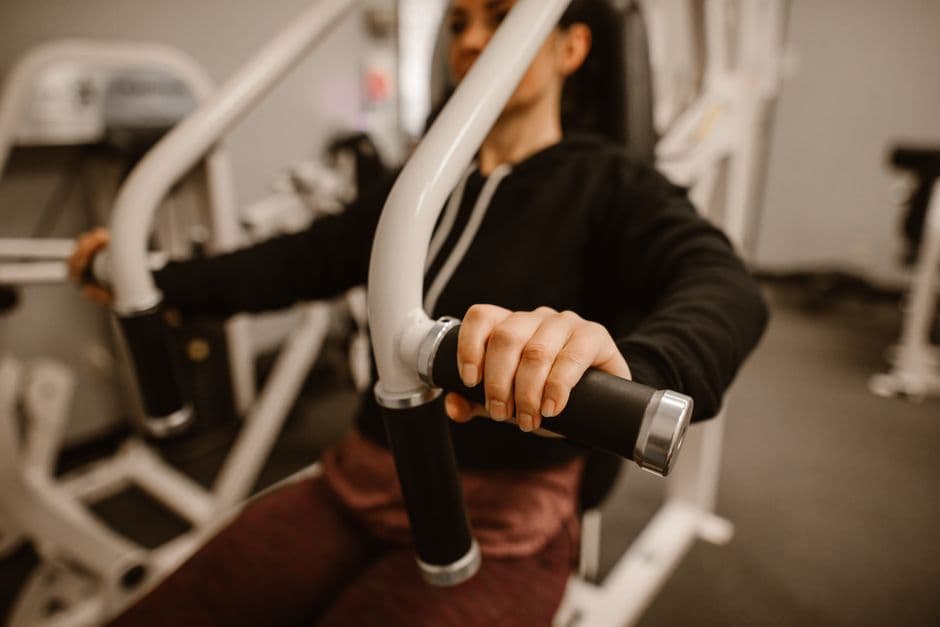
Medical Xpress posted this on 22 October 2026. The TEMPUS trial, from the University of Granada and iMUDS, is published in Nature Communications (DOI 10.1038/s41467-026-78625-3). It enrolled 187 adults with obesity, about half of them women, for 12 weeks. Everyone received Mediterranean-diet and physical-activity education. There were four arms. The fasting arms used an 8-hour eating window. The exercise arms used supervised strength training plus high-intensity aerobic work. The primary outcome, liver fat on MRI, fell in all four groups, with no significant difference versus standard care and no significant difference among the interventions. The fasting arms lost about 2.2 kg (4.9 lb) more than standard care. Fasting plus exercise lost more body fat than standard care and more than exercise alone. Both exercise arms improved cardiorespiratory fitness. Among people who had fatty liver at the start, about 30 percent of the combination arm no longer met fatty-liver criteria, compared with 6.5 percent on standard care. A men-only extra difference in liver fat was reported and was not seen in women. Camacho Cardeñosa said that analysis does not support a conclusion that the sexes responded differently, so this card is not tagged men-only. At one year, the differences in weight, body composition, and liver fat were gone. Age was not stated. This is not a diet or training plan to copy. People who are ill, pregnant, or taking a medicine that depends on meal timing need their own clinician before they change when they eat. Not medical advice.

Read at Medical Xpress →Our summary♡ Save

  • Metabolic / glucose
  • Exercise
  • Nutrition
  • Medicine
  • study
  • fitness
  • nutrition

Aging · 22 Oct 2026 · Supplements / medicine

In UK Biobank genetic analyses, higher tyrosine lined up with about 0.9 fewer years of life in men, and not clearly in women

Study (cohort plus Mendelian randomization), not a supplement trial. Jie V. Zhao, Yitang Sun, Junmeng Zhang, and Kaixiong Ye report in Aging (published 3 Oct 2025; PMID 41045493; DOI 10.18632/aging.206326). ScienceDaily carried it on 6 Sep 2026. They used UK Biobank, a cohort recruited at ages 40 to 69. Reports of the paper describe 272,475 participants, including 125,359 men. After the genetic analysis accounted for phenylalanine, higher tyrosine lined up with 0.91 fewer years of life in men (95 percent CI 1.60 to 0.21 fewer). In women the estimate was 0.36 fewer years and the interval crossed zero (0.96 fewer to 0.23 more). Phenylalanine was not tied to lifespan once tyrosine was in the model. Tyrosine is in protein foods and in some focus supplements. The authors' suggestion that lowering a high level might extend life is their reading of a genetic association. This did not test a diet or a pill, and it is not a reason to avoid protein foods. Not medical advice.

Read at Aging →Our summary♡ Save

  • Men
  • 40–59
  • 60+
  • Exercise
  • Nutrition
  • Supplements
  • Aging
  • Longevity
  • longevity
  • study
  • aging
  • nutrition

Research in Sports Medicine · 22 Oct 2026 · Supplements / medicine

In 40 active adults in their twenties, one week of creatine raised 30-second cycling power and did not change two thinking tests

Study (randomized, parallel groups). João Vitor Silva and colleagues report in Research in Sports Medicine (2026; 34(5): 575; DOI 10.1080/15438627.2026.2656695). Forty healthy, physically active omnivorous adults took part: 20 men, mean age 23 plus or minus 5 years, and 20 women, mean age 24 plus or minus 5 years. For one week they took either 20 grams a day of creatine monohydrate or a maltodextrin placebo. Stroop and trail-making tests came before and after a 30-second Wingate cycling test. Mean power rose from 526 watts (95 percent CI 510 to 542) to 570 watts (554 to 586), and peak power from 738 watts (684 to 791) to 797 watts (743 to 850). The paper reports no sex difference on those power changes. The thinking tests did not change with creatine, and the authors say practice on the tests may have hidden a small effect. One week is not a training plan. Not medical advice.

Read at Research in Sports Medicine →Our summary♡ Save

  • Women
  • Men
  • Under 40
  • Exercise
  • Supplements
  • Medicine
  • fitness
  • study

The Conversation · 22 Oct 2026 · Supplements / medicine

A Bath commentary says ice baths, compression, massage, and recovery products have small or mixed effects next to sleep and food

Commentary, not a new trial. Max Davis, a postgraduate researcher at the University of Bath Centre for Nutrition, Exercise and Metabolism, wrote in The Conversation, republished by ScienceDaily on 14 Oct 2026. He says popular recovery tools are uneven. Cited work finds ice baths can ease soreness over about 24 hours, and that regular use may blunt the inflammatory signal tied to longer-term muscle adaptation. A 2022 compression study improved blood flow versus a placebo tablet, but he says that change is unlikely to restore muscle function by itself. Massage more consistently reduces soreness; measured performance gains are modest. On products, he says whey has small-to-moderate support for recovery and inconsistent support for soreness, branched-chain amino acids look weaker than a complete protein food, tart cherry has small-to-moderate soreness data, and omega-3 results are inconsistent. The practices he ranks higher are 7 to 9 hours of sleep, enough carbohydrate, about 20 to 40 grams of protein after hard work from food when possible, and rest days. Those figures are his reading of earlier papers. Not medical advice.

Read at The Conversation →Our summary♡ Save

  • Metabolic / glucose
  • Exercise
  • Nutrition
  • Supplements
  • fitness
  • commentary
  • sleep
  • inflammation
  • nutrition
  • study

Nature Communications · 22 Oct 2026 · Supplements / medicine

In a cryo-electron map, three atorvastatin molecules held a muscle calcium channel open

Study (structural biology, not a patient trial). Steven Molinarolo, Filip Van Petegem, and colleagues, with the University of Wisconsin-Madison, report in Nature Communications (2025; DOI 10.1038/s41467-025-66522-0). ScienceDaily carried the finding again on 20 Oct 2026. Cryo-electron microscopy mapped how the cholesterol drug atorvastatin binds the skeletal-muscle ryanodine receptor RyR1, the channel that releases calcium for contraction. Three drug molecules sat in one pocket. The first bound while the channel was closed and made opening more likely. Two more held it open, which would let calcium leak. The map does not measure how often people get muscle pain. It is not a reason to stop a prescribed statin. Any change to a prescribed medicine is clinician-only. Not medical advice. Not a substitute for a prescribed medicine.

Read at Nature Communications →Our summary♡ Save

  • Cardiovascular / lipids
  • Exercise
  • Medicine
  • study

PLOS Medicine · 22 Oct 2026 · Supplements / medicine

In 461,682 older US adults, total ultra-processed food did not track colorectal cancer; the meat and grain patterns did

Study (observational cohort). Leila Abar, Erikka Loftfield, and colleagues report in PLOS Medicine (2026; 23(10): e1005251; DOI 10.1371/journal.pmed.1005251), published 15 Oct 2026. They used the NIH-AARP Diet and Health Study: 461,682 Americans who were 50 to 71 years old when they joined in 1995 and 1996. Diet was recorded once at the start. Median follow-up was 18.8 years, through 2018. Total ultra-processed food intake was not associated with colorectal cancer incidence. Higher ultra-processed whole grains, fiber, dairy, and calcium lined up with a lower incidence. Ultra-processed meat lined up with a higher incidence. Replacing 10 percent of ultra-processed food by weight with minimally processed food lined up with a 2 percent lower incidence. Most participants were older white Americans, and the food supply changed after that single questionnaire. This does not show that a processing label causes or prevents cancer. Not medical advice.

Read at PLOS Medicine →Our summary♡ Save

  • 40–59
  • 60+
  • Cancer
  • Nutrition
  • Medicine
  • nutrition
  • study

ScienceDaily · 22 Oct 2026 · Supplements / medicine

People are taking an unapproved weight-loss drug. AI found something surprising

Researchers analyzing nearly 150,000 Reddit posts uncovered unexpected symptom reports linked by users to unapproved versions of retatrutide, including increased appetite, sleep disturbances, and elevated heart rates. The findings differ from clinical trial results and highlight how AI could help identify potential drug safety signals that warrant further investigation.

Read at ScienceDaily →Our summary♡ Save

  • Medicine
  • news
  • sleep
  • study

ACSM · 21 Oct 2026 · Supplements / medicine

Hot Topic | Three Years Later: Obesity Medications Have Changed – Has the Exercise Profession?

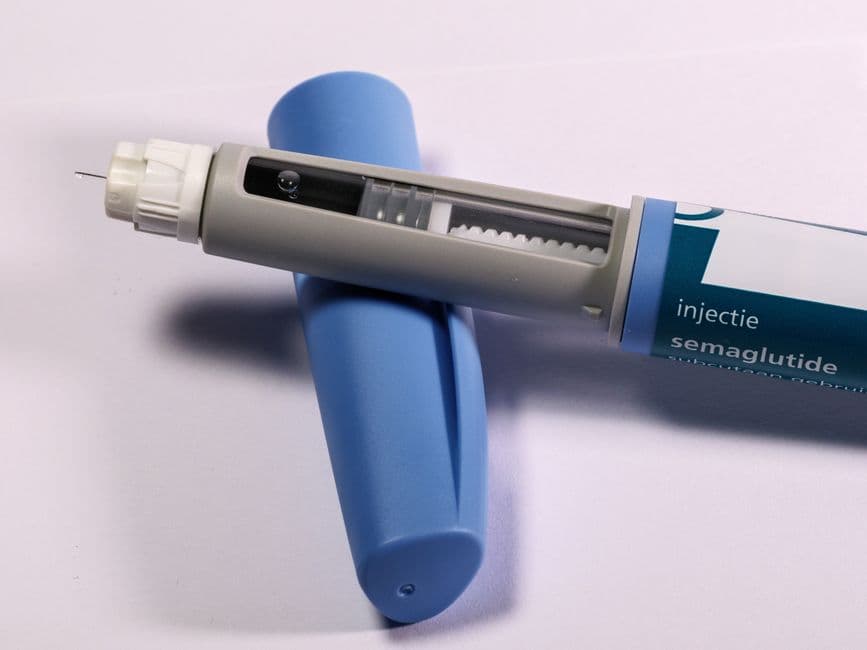
The landscape of medications to treat obesity has rapidly changed since 2023 when we authored A Perspective on Anti-Obesity Medications. Semaglutide had captured public attention, tirzepatide was approaching approval for obesity, and dozens of new therapies were moving through development. The focus of our original perspective was: What does this mean for exercise professionals? Today, […] The post Hot Topic | Educational supplement parallel (not a replacement): When headlines discuss GLP-1 medicines and aging, people often research food-first fiber or bitter-botanical “pathway support” formulas. Those are not semaglutide, not compounded GLP-1, and not a substitute for a prescribed GLP-1 drug. Mouse or marketing claims are hype until human outcome data exist. Weakly evidenced. Store: /store/glp1-pathway-support. Not medical advice. Not a substitute for a prescribed medicine. Off-label prescription use is clinician-only. VitaLonga does not diagnose, treat, or cure disease. Never start, stop, or replace a prescription with a supplement on the basis of a headline.

Read at ACSM →Our summary♡ Save

  • Metabolic / glucose
  • Exercise
  • Nutrition
  • Supplements
  • Medicine
  • Aging
  • hot topic
  • member exclusive
  • physical activity guidelines
  • sport/athletic performance
  • athlete development
  • atrophy
  • glp1
  • off-label-context
  • aging
  • fitness
  • nutrition

EurekAlert · 21 Oct 2026 · Supplements / medicine

Regular tea drinking tracked with an 11 percent lower vascular-disease risk

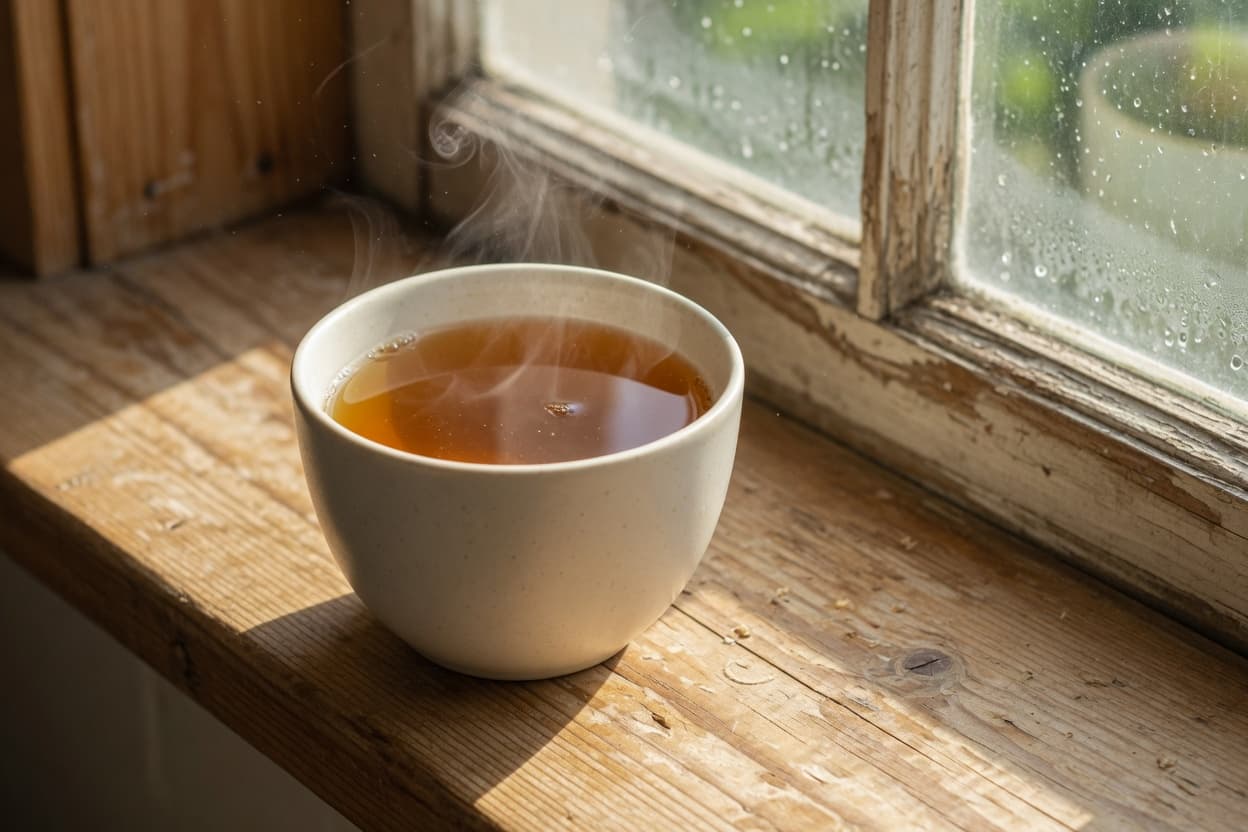
EurekAlert carried a Wiley release on 21 October 2026 for a Journal of Internal Medicine paper by Zichen Ye and colleagues (DOI 10.1111/joim.70172). In the China Kadoorie Biobank, 485,934 adults aged 30 to 79 were followed for a median of 9.05 years. There were 14,863 cases of cardiovascular disease, cerebrovascular disease, pulmonary heart disease, or peripheral artery disease. Habitual tea drinking lined up with an 11 percent lower risk than not drinking tea regularly. Among weekly drinkers the lowest estimate was about 6 to 8 cups a day. Black tea tracked more consistently than green tea. Moderate-strength tea tracked with the lowest risk, and tea described as burning hot tracked with a higher risk. Cups were self-reported. The age span covers under 40, midlife, and 60-plus, so this row is not one age band. This is observational. It is not proof that tea prevents disease. Not medical advice.

Read at EurekAlert →Our summary♡ Save

  • Cardiovascular / lipids
  • Exercise
  • Nutrition
  • Medicine
  • study
  • nutrition

Medical Xpress · 20 Oct 2026 · Supplements / medicine

Combined estrogen and testosterone was tied to higher lumbar spine density in a small menopause report

Medical Xpress, on 20 October 2026, reported a conference talk at the North American Menopause Society annual meeting in San Diego, 20 to 24 October 2026. The talk was titled Effect of Combined Estrogen and Testosterone Therapy on Bone Mineral Density in Postmenopausal Women. It is not a peer-reviewed paper. Fifty-one postmenopausal women were followed for an average of 4.1 years. Estrogen was used for a mean of 3.5 years, and estrogen plus testosterone for 3.1 years. Bone-density scans were taken at the start, after at least one year of estrogen alone, and after at least one year of the combination. Estrogen alone did not significantly raise T-scores at the lumbar spine, the femoral neck, or the hip. Estrogen plus testosterone did raise lumbar-spine T-scores. The femoral neck and the hip stayed stable. Sona Davis, at the Keck School of Medicine at USC, is the lead author. Stephanie Faubion of the Menopause Society said more work is needed. Ages were not published. This is prescribed medicine for a clinician to weigh. It is not a supplement product to start from a headline, and it is not a substitute for care a clinician has already prescribed. Not medical advice.

Read at Medical Xpress →Our summary♡ Save

  • Women
  • Supplements
  • Medicine
  • Aging
  • commentary

Scientific American · 20 Oct 2026 · Supplements / medicine

A Scientific American report says a caffeine-flush supplement sold online has no human trial and a flagged painkiller mix

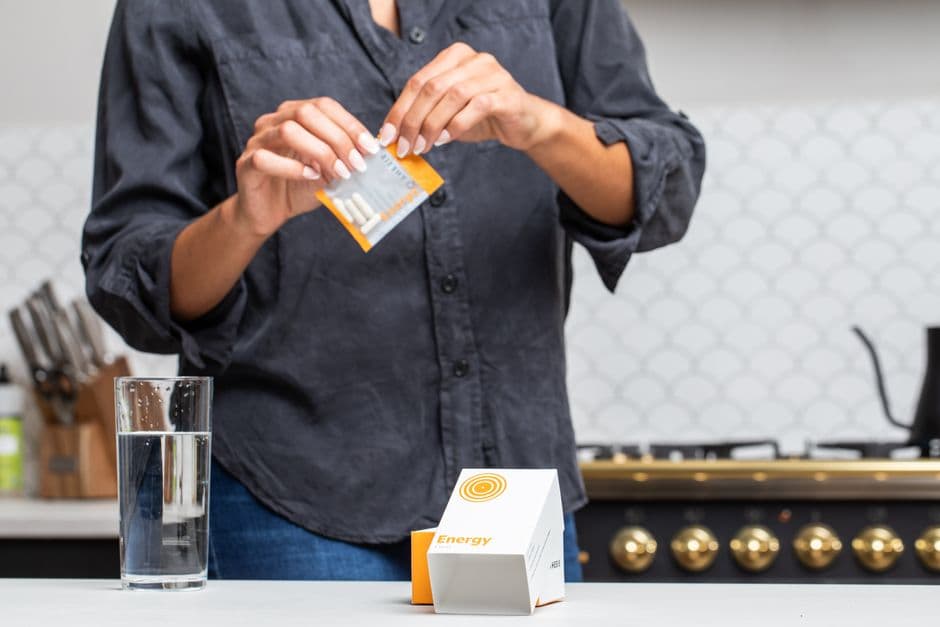
Commentary, not a clinical trial. Will McCurdy, Scientific American, 19 Oct 2026. Rutaecarpine, an alkaloid from Tetradium ruticarpum (evodia), is sold online as a supplement said to clear caffeine before sleep. The report says it has not been studied in human clinical trials. In rats it induces CYP1A2, a liver enzyme that breaks caffeine down. A separate rat pharmacokinetic paper (PMCID PMC8429912) found that 100 mg/kg of rutaecarpine, given as early as three hours before caffeine, cut oral caffeine exposure, with bioavailability down by as much as 75 percent, and raised CYP1A2 activity about threefold at three hours. That is a high laboratory dose in rats, not a human serving. Scientific American also cites a 2024 Toxics paper in mice and human cells suggesting harm when rutaecarpine is combined with acetaminophen. Bill Baldwin of Clemson University, who edited that paper, is quoted saying the combination needs care. This is not a suggestion to take the supplement, with or without coffee or a painkiller. Not medical advice.

Read at Scientific American →Our summary♡ Save

  • Nutrition
  • Supplements
  • Medicine
  • commentary
  • sleep
  • study

EADV Congress 2026 briefing via ScienceDaily · 20 Oct 2026 · Supplements / medicine

In a four-country survey, nail detachment was reported by 39 percent of GLP-1 users and 9 percent of people who never took them

Conference report (cross-sectional survey, not a journal trial). ScienceDaily on 12 Oct 2026 summarized a briefing presented at the European Academy of Dermatology and Venereology Congress 2026, led by Charles Taïeb and Bruno Halioua, with institutional support from Ducray Laboratories (Pierre Fabre). The page's journal-reference line points at a different JAMA Network Open paper about prescribing trends. This write-up does not use that DOI. Researchers compared 575 people using GLP-1 medicines, with named examples including semaglutide products such as Ozempic and Wegovy and tirzepatide products such as Mounjaro, with 1,329 people who had type 2 diabetes and/or obesity and had never used them. Participants were in France, the United States, Brazil, and Mexico. Nail detachment was reported by 39 percent of users and 9 percent of never-users. Any nail disorder: 66 percent versus 53 percent. Nail discoloration: 46 percent versus 17 percent. About half of users said nail problems had started before the regimen. After accounting for existing skin conditions and nutritional gaps, detachment and discoloration were still about two to three times as common. In the same people, unusual hair loss was 50 percent versus 34 percent, and hair loss that began after the regimen started was 26 percent versus 12 percent. Scalp redness was about three times as frequent in users. Weight loss did not fully explain the gaps. The surveys are self-report, not exams, and they cannot prove the medicines caused the changes. Do not stop a prescribed GLP-1 medicine on your own. Not medical advice. Not a substitute for a prescribed medicine. Off-label use is clinician-only. Educational supplement parallel (not a replacement): When headlines discuss GLP-1 medicines and aging, people often research food-first fiber or bitter-botanical “pathway support” formulas. Those are not semaglutide, not compounded GLP-1, and not a substitute for a prescribed GLP-1 drug. Mouse or marketing claims are hype until human outcome data exist. Weakly evidenced. Store: /store/glp1-pathway-support. Not medical advice. Not a substitute for a prescribed medicine. Off-label prescription use is clinician-only. VitaLonga does not diagnose, treat, or cure disease. Never start, stop, or replace a prescription with a supplement on the basis of a headline.

Read at EADV Congress 2026 briefing via ScienceDaily →Our summary♡ Save

  • Metabolic / glucose
  • Nutrition
  • Medicine
  • glp1
  • study
  • nutrition
  • off-label-context

VitaLonga is an educational longevity resource, not a pharmacy, clinic, or doctor. Content is not medical advice and is not intended to diagnose, treat, cure, or prevent any disease (DSHEA). Supplements can interact with medications and are not appropriate in every pregnancy or health condition. Consult a licensed clinician, especially if you take medications, are pregnant or nursing, or have a diagnosed condition.