Every story stays here. Filter by topic, search older headlines, and save favorites to your member record. Educational notes only — not medical advice.
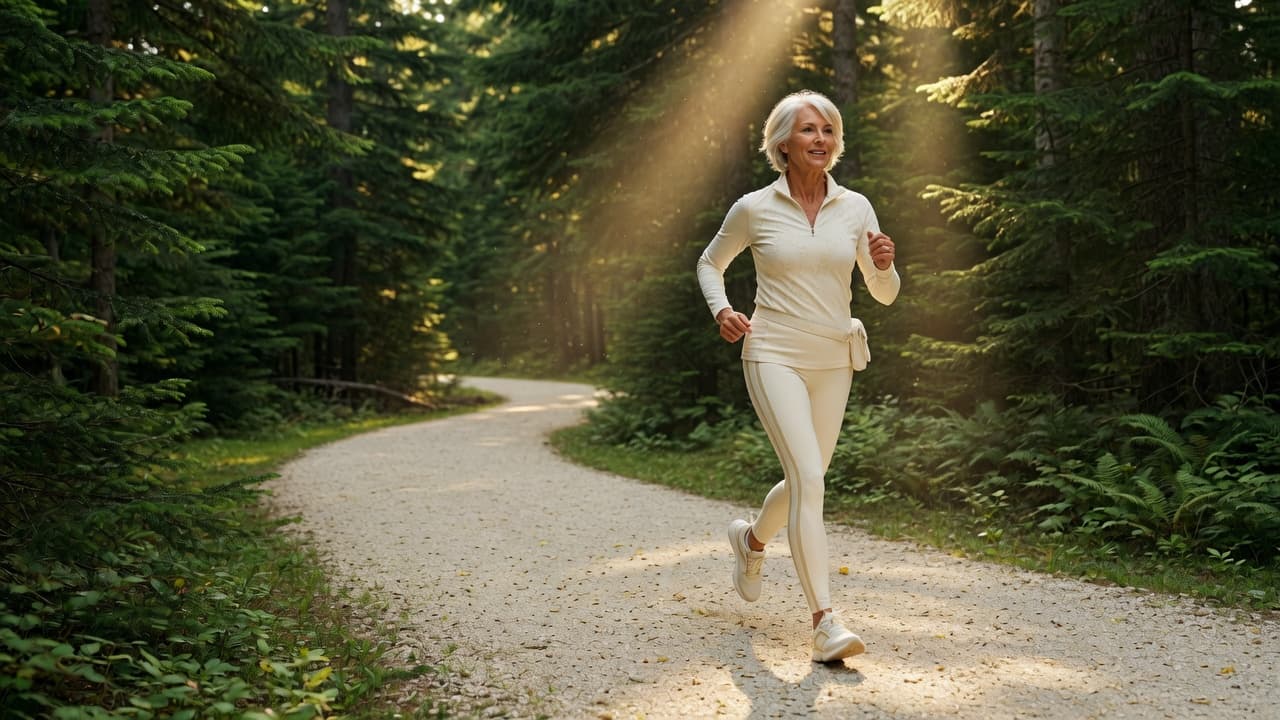
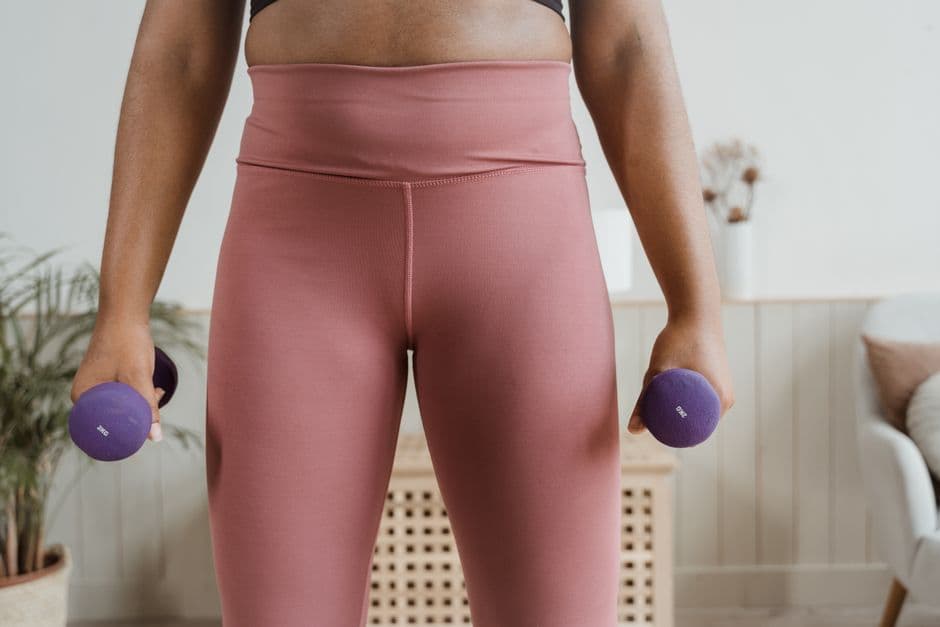
Study (randomized). Rutgers researchers led by Sharon Sanz Simon report in the Journal of Alzheimer’s Disease that 93 healthy women ages 20–67 (43% postmenopausal), starting below-average fitness and not regular exercisers, were assigned to six months of aerobic training or stretching-and-toning. Post-menopausal women in the aerobic arm improved executive function (task-switching speed and error management) more than the stretch group and more than pre-menopausal women on the same aerobic program. Gains appeared by three months and continued to six. Memory and processing speed did not show the same change. About 8 in 10 completed three months and 7 in 10 the full six. This is educational movement, not a dementia treatment or a supplement protocol.
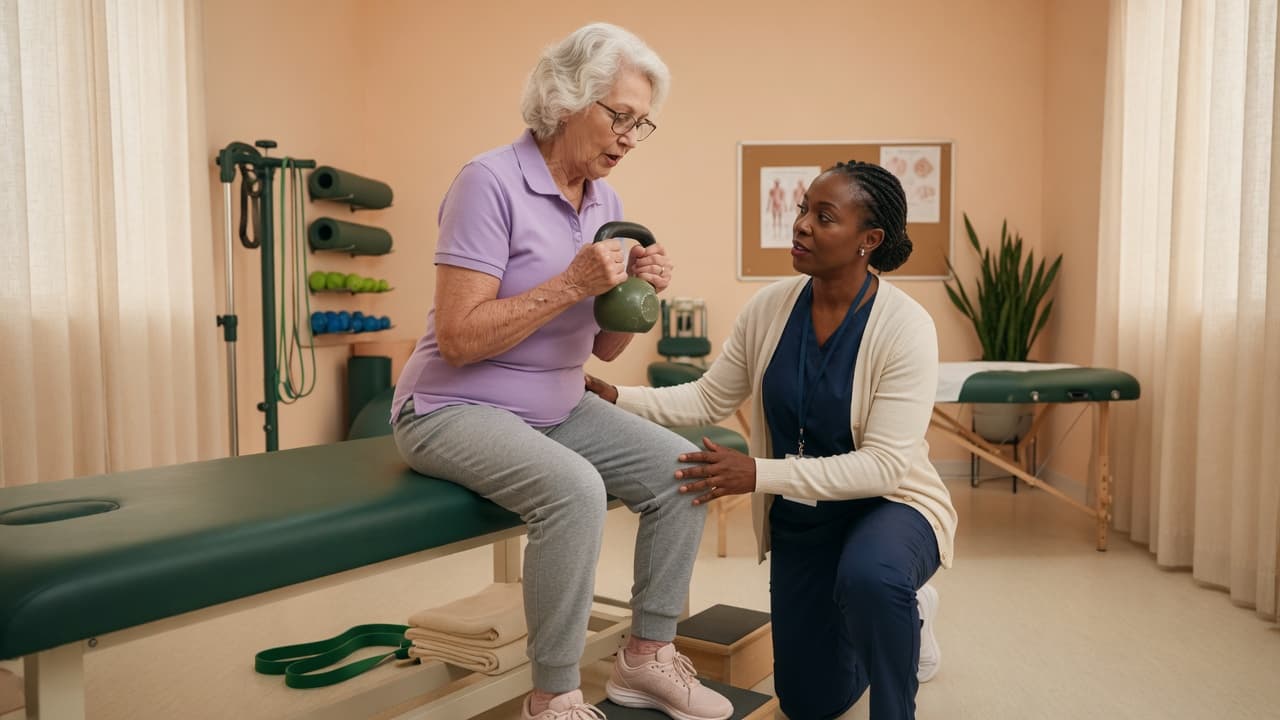
Commentary (personal view). A Lancet Healthy Longevity essay argues that age-related strength loss is not only shrinking muscle tissue. Trials of anabolic drugs or protein that raised lean mass often yielded modest function gains, while resistance training can improve strength and performance even when mass barely changes—because it also loads neural circuits, coordination, and blood flow. The piece favors progressive resistance work, balance, and motor-learning tasks over mass-only targets. Educational context, not a clinic protocol and not a claim that any supplement treats sarcopenia.
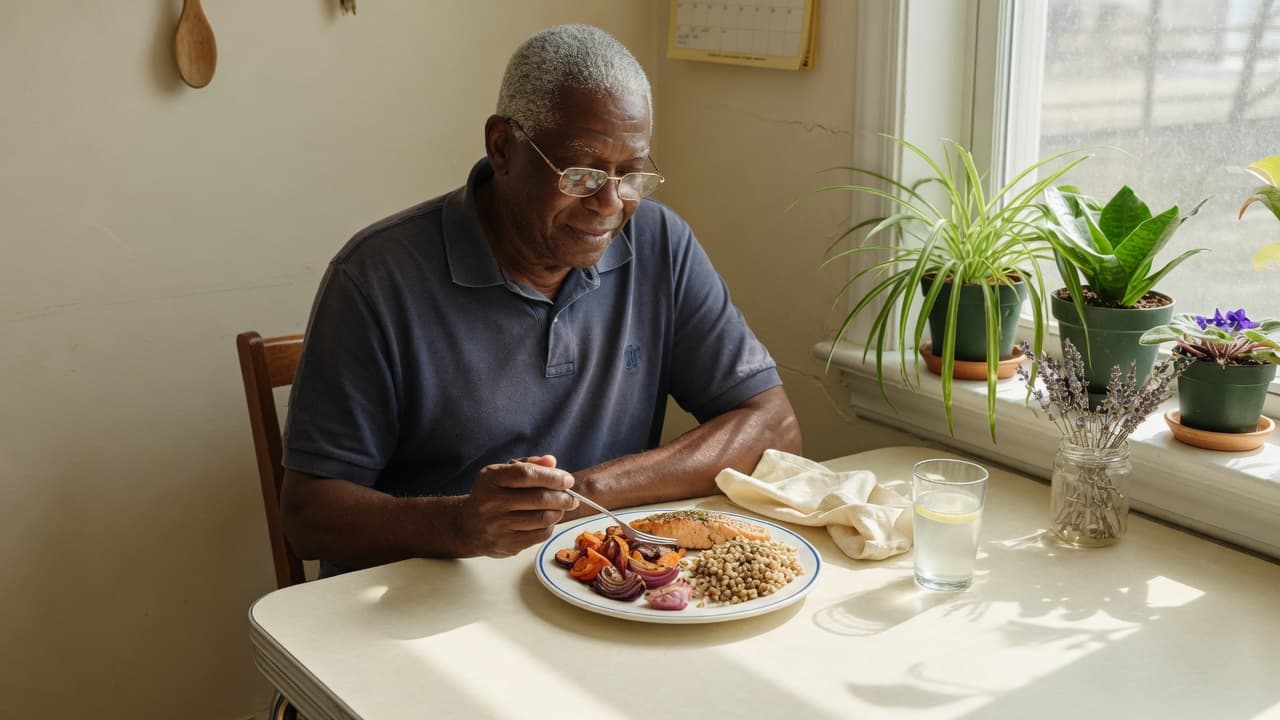
Study (observational). Florida Atlantic University’s Charles Hennekens, Hunter Scott and colleagues analysed NHANES 2003–2023 diet recalls from 17,024 U.S. men (NOVA ultra-processed share of calories). Versus the lowest UPF group (<~20% of calories), higher-intake groups had about 29–30% higher subsequent prostate-cancer risk; after age, race/ethnicity, smoking, and poverty adjustment the range was 24–31%. Highest single group (~34%) was not statistically significant. Association is not proof that dropping packaged snacks prevents cancer. Educational diet notes, not a prescription.
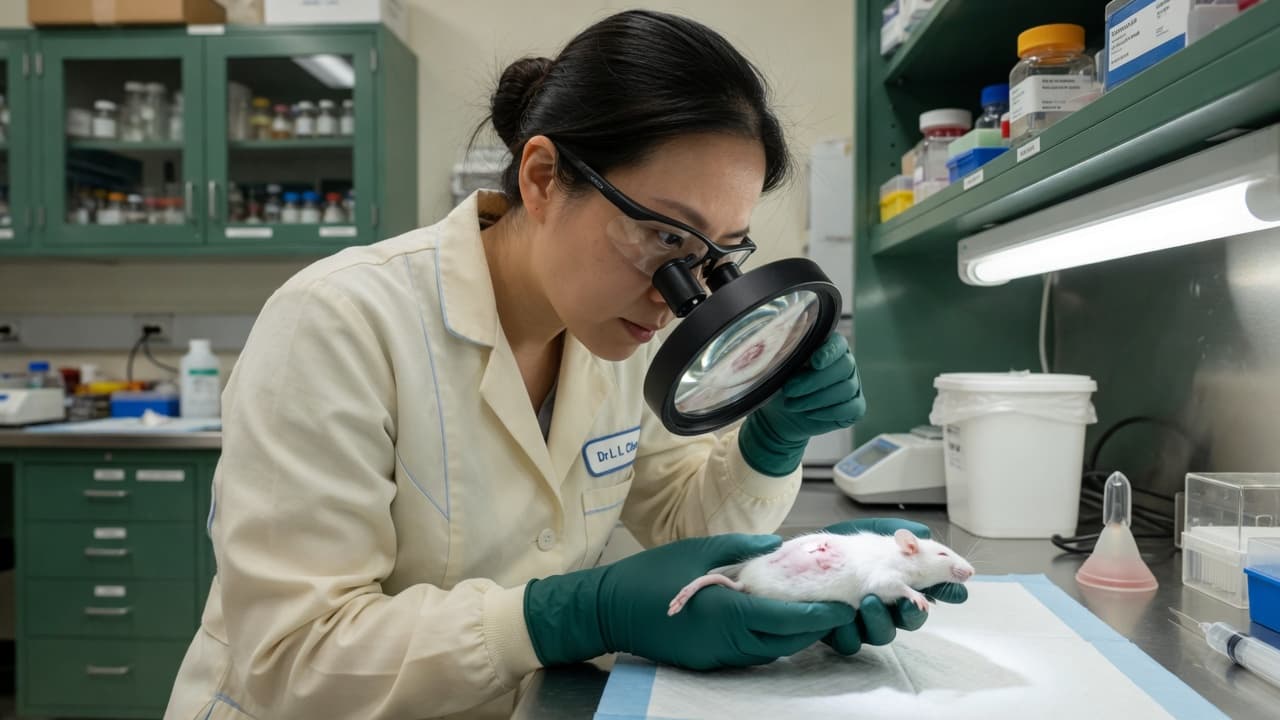
Study (mice). Liu, Yao, Ng Shyh-Chang and colleagues report in Nature Aging that about 6 million matured autologous myocytes injected under the skin formed vascularized “myografts” that flexed on their own for at least 81 days. In aged and obese mice the grafts tracked with more lean mass, grip, running endurance, bone density, lower inflammation, and better maze scores. This is preclinical cell therapy, not a gym replacement and not a supplement. Human safety is unproven.
Study. Yale School of Medicine researchers writing in Nature Aging analyzed plasma from 42 people in the NIH CALERIE trial who cut calories by about 11–14% for two years. Complement component 3 (C3) fell after restriction; fat-tissue macrophages appeared to be a source as C3 rose with age in mice. Blocking C3 activation reduced age-related inflammation in mice. Weight-loss amount did not track with the C3 drop, so the authors argue some calorie-restriction biology may be separable from losing pounds. Human trial data here are protein changes, not proven extra years of life. Experimental C3 blockers are research tools, not a diet-free longevity pill.
Study. Lu, Ping, Han and colleagues (Nature Aging, 25 Aug 2026; EurekAlert 31 Aug) built a microbiome aging clock (MicroAge) and found Bifidobacterium pseudocatenulatum depleted with age across Chinese cohorts. In naturally aged mice, oral B. pseudocatenulatum improved gut homeostasis, eased multi-organ inflammaging, and helped cognitive-motor scores. They credit a metabolite, 5-aminovaleric acid betaine (5-AVAB), which also declines with age in people. Mouse healthspan is not a human probiotic prescription. Commercial anti-aging probiotic claims remain weakly evidenced until human outcome trials exist.
Study. Dutch and Spanish researchers writing in Gut linked Roseburia inulinivorans to muscle strength. Among older adults, those with detectable R. inulinivorans had about 29% higher handgrip strength than those without. In mice, the same species raised forelimb grip by about 30% after 4–8 weeks and shifted calf muscle toward larger, fast-twitch type II fibers; other Roseburia species did not. Abundance was lower in older than young adults. This is not a human sarcopenia trial. A commercial probiotic for this claim is weakly evidenced. Food-first fiber remains educational; not a diagnosis or a treatment.
Study (mice). Northwestern Medicine researchers report in Nature Communications that butyrate, a short-chain fatty acid from fermenting dietary fiber, left a lasting imprint on intestinal epithelial cells. Two weeks after stopping butyrate in drinking water, mice still made more IL-10 from CD4+ T cells and fared better in chemically induced colitis; germ-free mice showed a similar signal. A candidate messenger is N1-acetylspermidine. This is laboratory animal work, not a human IBD trial and not a reason to treat colitis with a fiber pill. Food-first fiber is educational; concentrated butyrate products are weakly evidenced for this claim.
Study (observational). Hertility analysed at-home hormone tests from 30,453 women aged 18–74 in England, Scotland and Wales (2020–2025), published in the Journal of Endocrinological Investigation. Testosterone declined about 1.4% per year from the 20s, without an abrupt perimenopausal drop. The authors argue age-specific ranges beat a single cut-off. Self-selected testers, not a clinic trial. Educational research notes, not a testosterone prescription.
Study (observational). University of Oulu researchers writing in the European Journal of Nutrition studied 2,264 people aged 46 in the Northern Finland Birth Cohort 1966. Higher usual coffee intake tracked with less total and visceral fat and more skeletal muscle despite similar BMI, plus lower branched-chain amino acids. Men also showed a more favorable glucose-insulin profile and higher SHBG; free-androgen patterns differed by sex. Association is not causation, and this is not a prescription to drink more coffee. Bone-density questions from other coffee studies remain separate.
Study (meta-analysis). David Raichlen and USC colleagues pooled 74 cohort and case-control studies, more than 4.2 million people aged 45–93 across 30 countries, median follow-up 10 years. Higher leisure-time physical activity (walking, cycling, running, swimming, sports) was associated with 24% lower all-cause dementia risk versus the least active. Occupational physical activity was associated with 20% higher dementia risk (physical-activity paradox). Observational; residual confounding is likely. Educational exercise notes, not a dementia diagnosis or a workplace prescription.
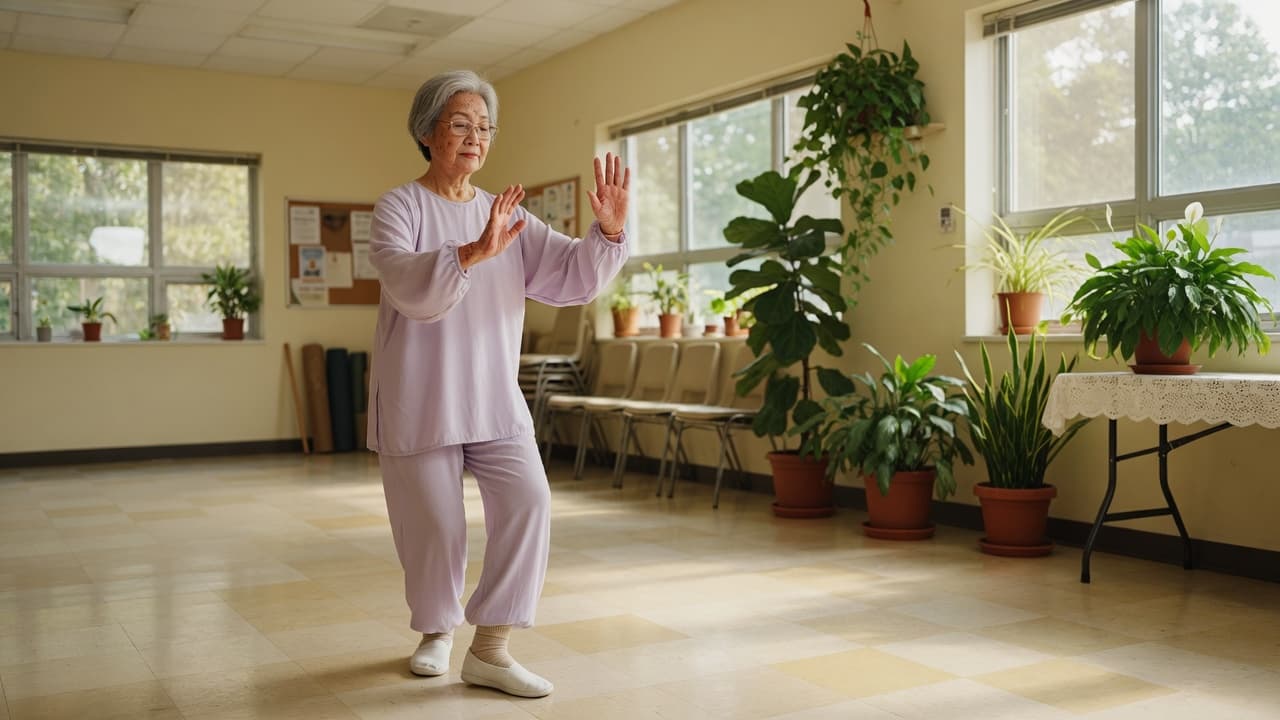
Commentary. A Conversation explainer (Gordon Waddington, University of Canberra) via ScienceDaily notes that cartilage and synovial fluid decline with age, but rest is not the only answer. Motion distributes joint fluid; muscle around joints cushions load. A Cochrane review found exercise reduces pain and improves function in knee osteoarthritis, with effects in the range of anti-inflammatory drugs but without those drug side effects. Low-impact options include swimming, cycling, tai chi, yoga, and walking on varied terrain. Educational movement notes, not a diagnosis or a supplement protocol. Get tailored advice if joints already hurt.
VitaLonga is an educational longevity resource, not a pharmacy, clinic, or doctor. Content is not medical advice and is not intended to diagnose, treat, cure, or prevent any disease (DSHEA). Supplements can interact with medications and are not appropriate in every pregnancy or health condition. Consult a licensed clinician, especially if you take medications, are pregnant or nursing, or have a diagnosed condition.