VitaLonga

Desk

News archive

Every story stays here. Filter by topic, search older headlines, and save favorites to your member record. Educational notes only — not medical advice.

Saved (sign in)

229 stories in this category

UT Southwestern / Science Advances · 1 Oct 2026 · Research

In 9,879 ARIC participants, dozens of blood proteins sat on the path between social disadvantage and later heart failure

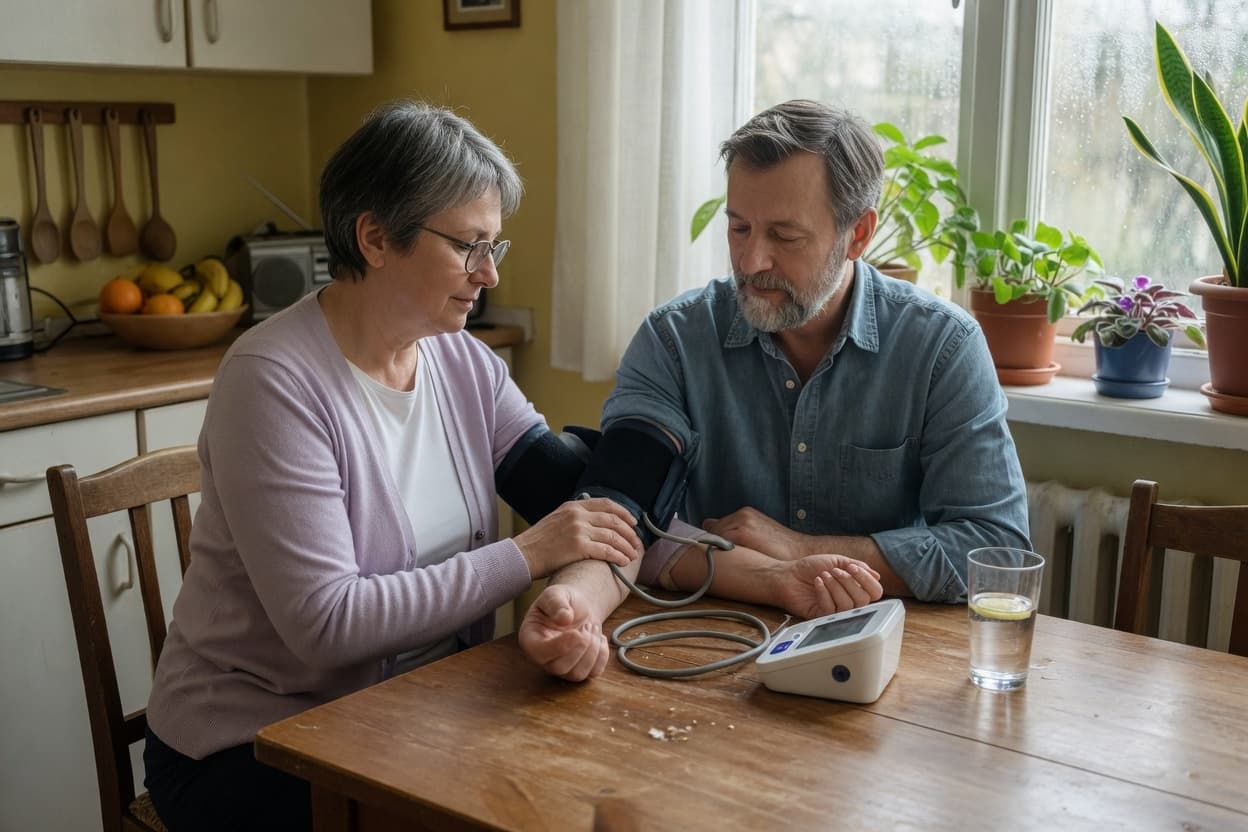
Study (observational proteomics). Amil Shah and colleagues, including UT Southwestern researchers Victoria Lamberson and Tammy Leonard, report in Science Advances (21 August 2026; 12(34):eaec5063; doi 10.1126/sciadv.aec5063; UT Southwestern roundup 1 October 2026). At ARIC visit 3 (1993–1995), 9,879 people free of heart failure (mean age 60, standard deviation 6; 46% men) had 4,955 plasma proteins measured. A social-disadvantage factor built from income, education, and area deprivation was linked to later heart failure through dozens of proteins: 36 in Black participants, 126 in white participants, and 12 shared. Eight proteins showed a mediation signal. Key results were checked in 49,396 UK Biobank participants. Mendelian randomization pointed to C1QTNF1 as a possible causal contributor; that is genetic evidence, not a treatment trial. Educational notes. This does not say a blood test should be ordered from a headline.

Read at UT Southwestern / Science Advances →Our summary♡ Save

  • 40–59
  • 60+
  • Cardiovascular / lipids
  • study

EASD / FIDAM Bad Mergentheim · 28 Sept 2026 · Research

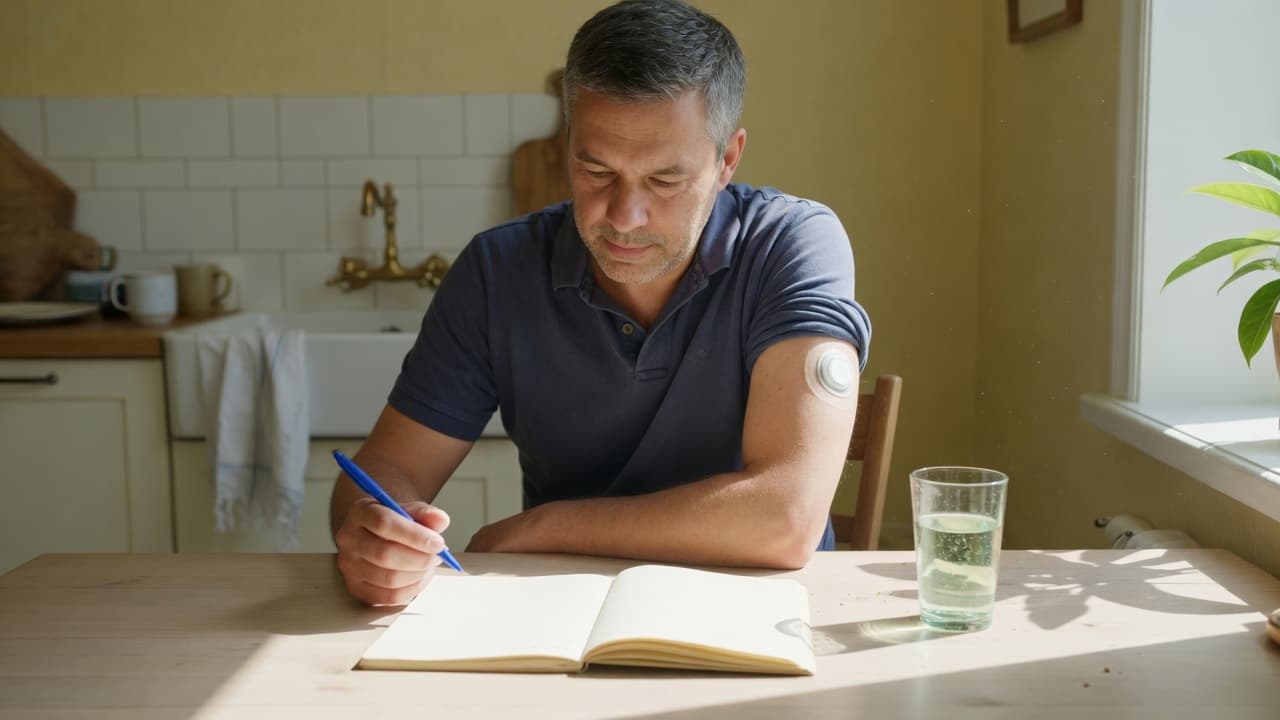
In 400 adults with diabetes, more time in a 70–140 mg/dl glucose band predicted a better next-day quality-of-life score

Study (observational, conference). Dominic Ehrmann of FIDAM, Bad Mergentheim, and colleagues will present PRO-MENTAL analyses at the EASD meeting in Milan (ScienceDaily 28 September 2026). Four hundred adults (72% type 1 diabetes, 28% type 2; 55% women; median age 47, range 32–63; mean HbA1c 7.6%) wore continuous glucose monitors and rated daily quality of life for 14 days with a WHO-5 ecological momentary assessment. More time in 70–140 mg/dl on one day lined up with a better quality-of-life score the next day. Higher-than-usual glucose variability on the prior day also lined up with a better next-day score, which the authors read as a possible cost of trying to flatten every swing. Time above 180 or below 70 mg/dl the previous day did not predict next-day scores. Better sleep and higher energy the day before also predicted better scores. Same-day glucose numbers did not match same-day scores. Models accounted for age, sex, diabetes type, and prior-day scores. Conference data are preliminary. Educational notes. This does not license looser glucose targets.

Read at EASD / FIDAM Bad Mergentheim →Our summary♡ Save

  • Under 40
  • 40–59
  • Metabolic / glucose
  • study
  • sleep

Charles University / EASD via Medical Xpress · 27 Sept 2026 · Research

In 22 medical students, blood sugar peaked on exam day and tracked how stressed they felt

Study (observational, small). Jan Broz, Natalia Michalcova, and colleagues at Charles University and Motol University Hospital in Prague used continuous glucose monitors on 22 healthy second-year medical students (13 women and 9 men; average age 21; average BMI 21.9) around one biochemistry exam (EASD, Milan; Medical Xpress 27 September 2026). Sensors recorded glucose every 15 minutes from seven days before the exam until three days after. The highest average daily glucose was on exam day, 5.72 mmol/L, up 0.37 mmol/L from 5.35 mmol/L four days earlier, then 5.42 mmol/L the next day. Overnight glucose rose from 4.70 mmol/L seven nights before to 4.93 mmol/L the night before. During the exam, the written test had the highest average, 6.14 mmol/L. Students who scored higher stress on the State-Trait Anxiety Inventory had a higher average glucose before the exam and a sharper drop afterward. Daily averages stayed inside a range the authors called healthy in the short term. One exam in 22 students cannot show that stress causes diabetes. Educational notes.

Read at Charles University / EASD via Medical Xpress →Our summary♡ Save

  • Women
  • Men
  • Under 40
  • Metabolic / glucose
  • Nutrition
  • study

University of Leicester / EurekAlert · 26 Sept 2026 · Research

ADHD and autism were several times more common in type 2 diabetes diagnosed before age 20

Study (observational). Jonathan Goldney and colleagues at the University of Leicester present hospital-record data at EASD (EurekAlert 26 September 2026). They looked at neurodiversity codes — ADHD, autism, dyslexia, and dyspraxia — in 4.2 million people with a new type 2 diabetes diagnosis in the US TriNetX network from March 2006 to March 2026, then matched 3.4 million pairs under age 80 to people without diabetes. ADHD and autism were more common in the diabetes group at every age, and the gap was widest before age 20. There, ADHD was 14.4% versus 6.9%, and autism was 5.72% versus 1.79%. By ages 70 to 79 the ratios were about 1.4 and 1.24, and autism was under 0.01% in both groups. Dyslexia was about twice as common with diabetes and did not follow a clear age slope. The authors say this does not mean most neurodivergent people will develop diabetes. More contact with hospitals could also raise the chance a diagnosis is recorded. Records were not built for research. Educational notes on access to care, not a risk score.

Read at University of Leicester / EurekAlert →Our summary♡ Save

  • Under 40
  • Metabolic / glucose
  • study

University of Glasgow / EurekAlert · 26 Sept 2026 · Research

In 1.6 million new type 2 diabetes diagnoses, one in three had kidney disease, heart failure, or had died within five years

Study (observational). Naveed Sattar of the University of Glasgow and colleagues present CALOR program data at EASD (EurekAlert 26 September 2026). They followed 1,617,508 people in the United States with a new type 2 diabetes diagnosis between 1 January 2010 and 31 March 2024. Mean age at entry was 59 years, and 51% were women. Among the 13% with a recorded body mass index, the median was 30.9. About 72% also had dyslipidaemia and 68% had high blood pressure. The combined risk of chronic kidney disease, heart failure, or death was 33% within five years and 55% within 10 years. Kidney disease came first more often than heart failure (19.0% vs 8.3% within five years). After heart failure, the later five-year risk of kidney disease was 42%. After kidney disease, the later five-year risk of heart failure was 23%. The authors say this pattern is a reason to find and manage type 2 diabetes early. The design cannot show cause, and race and ethnicity could not be fully separated from the risk. The release does not give the age spread around the mean of 59. Educational notes, not personal treatment advice.

Read at University of Glasgow / EurekAlert →Our summary♡ Save

  • 40–59
  • 60+
  • Cardiovascular / lipids
  • Metabolic / glucose
  • study

European Society for Emergency Medicine / EurekAlert · 26 Sept 2026 · Research

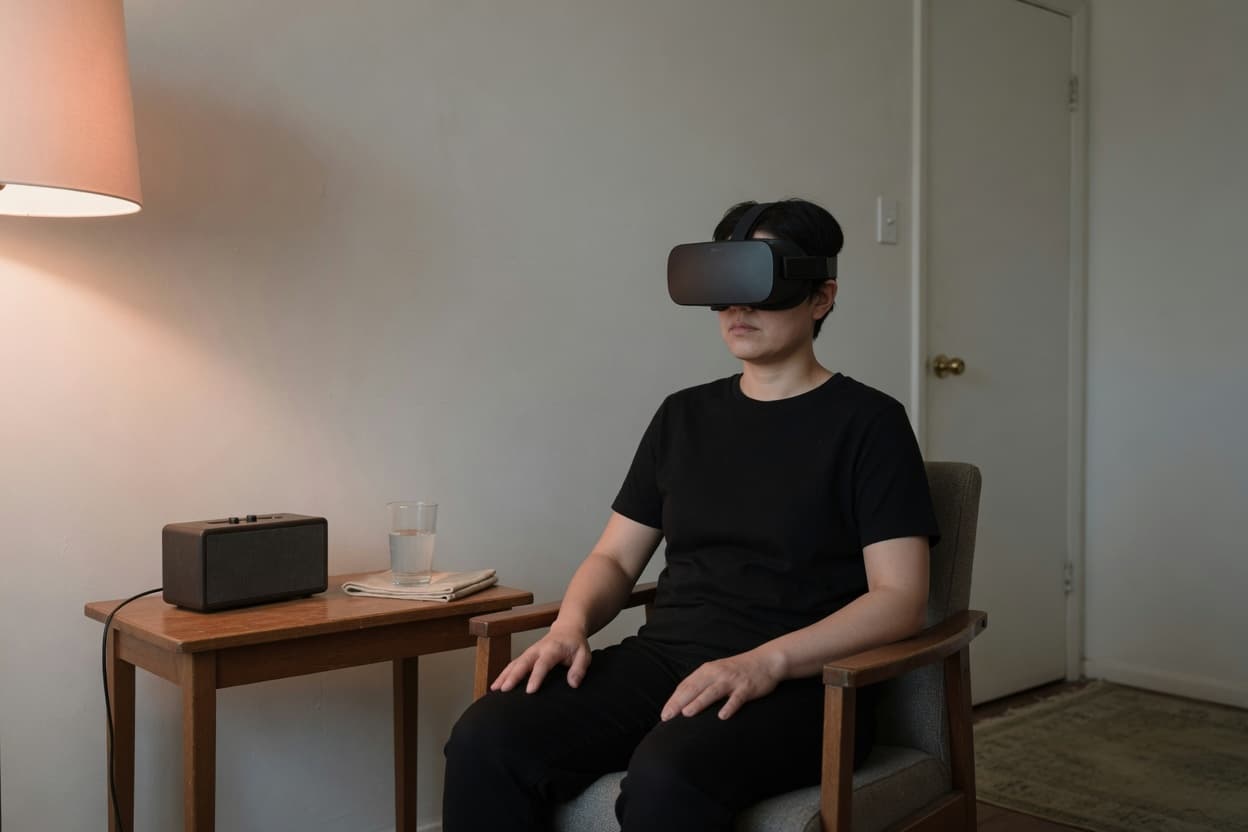
In an emergency trial, a virtual forest plus classical music lowered blood pressure a little faster

Study (randomized trial, congress report). Safa Donmez, Kadir Yenal, and colleagues presented at the European Emergency Med. Congress in Paris (abstract OA071; EurekAlert 25 September 2026; session 26 September 2026). One hundred thirty adults with hypertensive urgency, blood pressure high enough to treat but without signs of acute organ damage, were split into 65 and 65. Everyone received standard pressure-lowering treatment. The intervention group also wore a headset showing a river through a forest and listened to a classical playlist. Mean arterial pressure in the control group fell from 138 mmHg to 126 at 15 minutes and 119 at 30 minutes (about 8 percent and 14 percent). In the headset group it fell from 132 mmHg to 116 and then 112 (about 12 percent and 15 percent). The extra drop was about 4 to 5 mmHg at 15 minutes and was statistically significant; from 60 minutes the groups were essentially the same. Trait-anxiety scores started higher in the headset group (about 46 versus 38) and fell by about eight points versus about four. No one dropped out. Limits: one hospital, two-hour follow-up, headset and music always used together, groups differed at the start, and staff could see who had the headset. Felix Lorang, who was not an author, said the approach was studied in addition to that treatment, not instead of it. Educational research notes. Not a home treatment for a hypertensive emergency.

Read at European Society for Emergency Medicine / EurekAlert →Our summary♡ Save

  • Cardiovascular / lipids
  • study

ScienceDaily · 25 Sept 2026 · Research

Scientists discover an “impossible” cellular survival pathway that could help fight cancer

Scientists discovered a surprising backup system that lets mammalian cells make the essential amino acid cysteine even when the pathways once considered indispensable are disabled. The same survival mechanism may help cancer cells resist treatment, raising the possibility that shutting it down could make tumors easier to kill.

Read at ScienceDaily →Our summary♡ Save

  • Cancer
  • news

University of South Florida / EurekAlert · 25 Sept 2026 · Research

A little-studied brain region coordinated appetite and heat production when temperature fell

Study (experimental, non-human). Yong Xu, Hailan Liu, and colleagues at the University of South Florida report in Neuron (doi 10.1016/j.neuron.2026.08.024; EurekAlert 25 September 2026). In non-human models they found a first known job for a little-studied hypothalamic spot, the dorsal posterior periventricular nucleus (dPVp). It became active when temperature fell and coordinated a rise in appetite with more heat production. Turning those neurons up increased the drive to eat and the energy burned, and the animals were less prone to gain weight, with better glucose regulation. A molecule in those neurons, KCNK2 (also called TREK-1), behaved as a cold sensor. The authors describe it as a laboratory target that might one day copy some metabolic effects of cold. That idea is not a product and was not tested in people. The release metadata lists the subject as people, while the text says non-human models; this note follows the text. Educational notes.

Read at University of South Florida / EurekAlert →Our summary♡ Save

  • Metabolic / glucose
  • Cognitive / dementia research
  • study
  • cognition

ScienceDaily · 23 Sept 2026 · Research

Rare pregnancy infections may triple the risk of autism

A major Swedish study of 3.7 million people has found that rare TORCH infections passed from a pregnant woman to the fetus are linked to much higher risks of autism and intellectual disability later in life. Children with a congenital TORCH infection were about three times more likely to be diagnosed with autism, more than seven times more likely to have an intellectual disability, and up to 30 times more likely to h

Read at ScienceDaily →Our summary♡ Save

  • Women
  • news
  • study

ScienceDaily · 22 Sept 2026 · Research

Coffee doesn’t have to keep you awake to disrupt your sleep

Caffeine may make sleep less restorative even when you fall asleep normally and stay in bed for eight hours, with EEG recordings revealing fewer of the slow brain waves associated with deep sleep. Individual sensitivity varies dramatically, meaning even caffeine consumed earlier in the day could affect nighttime recovery for some people.

Read at ScienceDaily →Our summary♡ Save

  • Cognitive / dementia research
  • Nutrition
  • sleep
  • cognition

ScienceDaily · 22 Sept 2026 · Research

This emerging treatment could help people avoid knee replacement surgery

A minimally invasive procedure called genicular artery embolization could offer a new middle ground between conservative treatments and knee replacement for osteoarthritis. By blocking tiny blood vessels associated with inflammation, GAE can significantly reduce pain, with some patients reporting little or no pain afterward. Studies suggest the benefits may last two to four years in people who respond well.

Read at ScienceDaily →Our summary♡ Save

  • Cardiovascular / lipids
  • Medicine
  • news
  • inflammation

VitaLonga is an educational longevity resource, not a pharmacy, clinic, or doctor. Content is not medical advice and is not intended to diagnose, treat, cure, or prevent any disease (DSHEA). Supplements can interact with medications and are not appropriate in every pregnancy or health condition. Consult a licensed clinician, especially if you take medications, are pregnant or nursing, or have a diagnosed condition.