VitaLonga

Desk

News archive

Every story stays here. Filter by topic, search older headlines, and save favorites to your member record. Educational notes only — not medical advice.

Saved (sign in)

229 stories in this category

New York University / Science Advances · 10 Oct 2026 · Research

A seed-sized injectable device stimulated nerves in early tests; pain relief in people is not shown

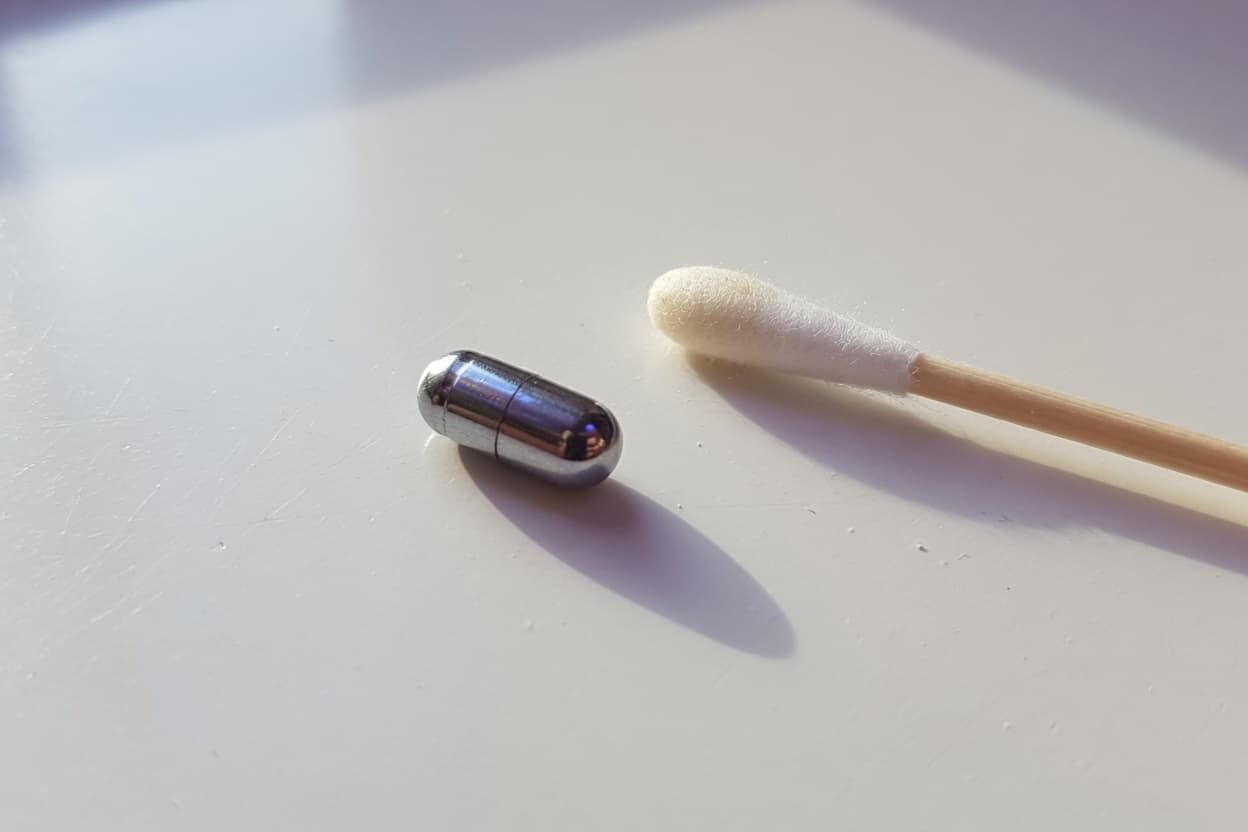
Study (laboratory and preclinical tests, not a human pain trial). ScienceDaily carried the New York University account on 10 October 2026. Mohamed Elsherif, Khalil B. Ramadi, and colleagues at NYU Abu Dhabi, with Cleveland Clinic Abu Dhabi, report in Science Advances (2026; 12(24); doi 10.1126/sciadv.aeg1437). The device is described as about the size of a small seed, injected through a needle, and placed near a nerve. It sends electrical pulses powered wirelessly from outside the body, with no implanted battery and no connecting wire. Ultrasound and CT are described as ways to check where it sits. The team said it delivered stimulation in lab conditions and activated nerves in a living animal. The release does not name the species, and it states that relief of chronic pain or a change in movement disorders has not been shown in patients. Ramadi said the aim is an option beside medicines and surgically implanted stimulators, not a replacement already proven in the clinic. Educational notes. This is not a treatment available to start, and not medical advice.

Read at New York University / Science Advances →Our summary♡ Save

  • Medicine
  • study

WHO · 10 Oct 2026 · Research

New WHO technical package to help countries improve health data for COVID-19 response and beyond

Today, as part of its commitment to strengthening health information systems and improving health[1], especially in the context of the COVID-19 pandemic, WHO announced a new approach to improving access to life-saving data: the SCORE for Health Data Technical Package. The COVID-19 pandemic has highlighted the urgent need for timely and reliable data to drive strategic health action. Too many countries still lack both

Read at WHO →Our summary♡ Save

  • news

Higher Education Press / MedScience · 9 Oct 2026 · Research

A review says diabetic wounds stay open when immune cells remain stuck in inflammation; it is not a new patient trial

Review (not a new clinical trial). ScienceDaily carried the Higher Education Press account on 9 October 2026. Yi Ru, Yunxi Cai, and colleagues report in MedScience (2025; 19(6):950; doi 10.1007/s11684-025-1190-y). The news date is later than the journal year. The review covers monocytes, macrophages, dendritic cells, neutrophils, mast cells, B cells, T cells, and natural killer cells across the stages of wound healing. It says more than 131 million people have chronic diabetic ulcers, with about $755 billion a year in costs, and with amputation and death among the risks. The authors' reading is that macrophages in diabetic wounds often stay in a pro-inflammatory state instead of shifting toward repair. They also describe poorly controlled neutrophil traps, different mast-cell behavior, weaker debris cleanup by dendritic cells, and fewer or less active regulatory T cells. SLC7A11 is named as one transporter that may be less active in diabetes. The piece discusses experimental ideas, including drugs that push macrophages toward repair, stem-cell vesicles, dressings, and an IL-15 superagonist, and it says timing may matter because each healing stage has a different immune mix. Some of those ideas are described as having early randomized data and some as still laboratory work. The release does not give one new patient sample, sex split, or age band. Educational notes. This is not wound-care advice and not a product claim.

Read at Higher Education Press / MedScience →Our summary♡ Save

  • Metabolic / glucose
  • Medicine
  • study
  • inflammation

University of Helsinki / Nature Mental Health · 9 Oct 2026 · Research

Magnetoencephalography split 263 people with depression into five brain-connectivity profiles

Study (brain recordings, not a treatment trial). ScienceDaily carried the University of Helsinki account on 9 October 2026. Wenya Liu, Satu Palva, J. Matias Palva, and colleagues report in Nature Mental Health (2026; 4(10):1534; doi 10.1038/s44220-026-00723-4), with Aalto University and Helsinki and Uusimaa Hospital District. Researchers recorded magnetoencephalography in 263 people with major depressive disorder and 75 people without depression. Functional connectivity, how closely regions fired together, fell into five profiles. One had fairly strong connectivity and more severe depression, anxiety, rumination, and trouble with daily function. One had weaker connectivity and milder symptoms. One had weak connectivity across a large part of the brain and more prominent trauma symptoms. One mixed strong and weak connections and had more severe depression, more substance use, and lower well-being. One had the strongest connectivity, with substance use prominent and trauma symptoms less so. All five differed from the comparison group in which regions and which frequencies were involved. Palva said stronger connectivity is not automatically better, and that the scans are not yet a way to pick a treatment. The release does not give sex or age. Educational notes. This is not a depression test.

Read at University of Helsinki / Nature Mental Health →Our summary♡ Save

  • Cognitive / dementia research
  • study
  • cognition

Cochrane · 8 Oct 2026 · Research

Across 80 trials and 29,861 people, nicotine e-cigarettes produced about four more quitters per 100 than nicotine patches or gum

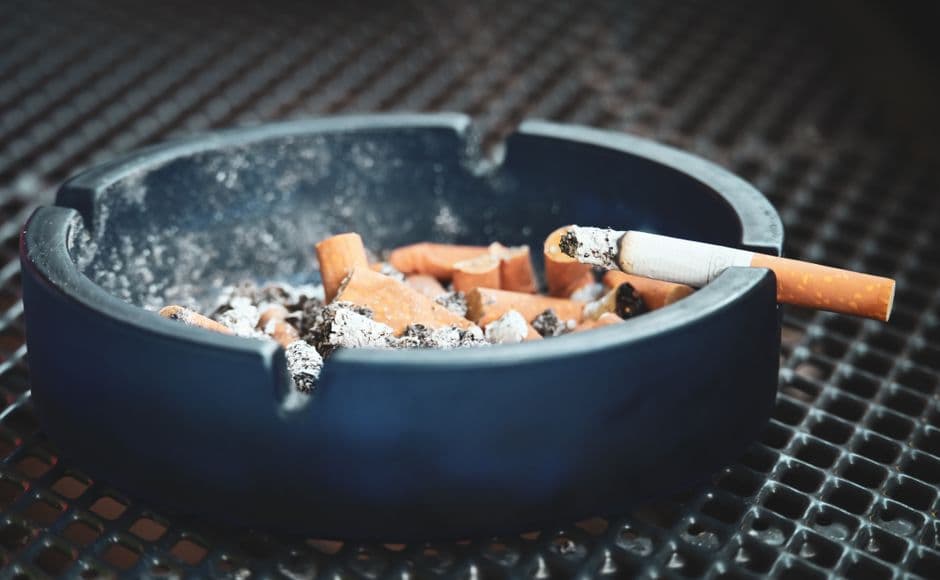
Study (living systematic review of randomized trials). ScienceDaily carried the Cochrane account on 8 October 2026. Nicola Lindson, Jamie Hartmann-Boyce, and colleagues report in the Cochrane Database of Systematic Reviews (2026; 2026(8); doi 10.1002/14651858.CD010216.pub11). The update added nine trials, for 80 trials and 29,861 participants. High-certainty evidence said nicotine e-cigarettes led to about 4 additional quitters per 100 people compared with nicotine replacement such as patches and gum, and about 2 additional quitters per 100 compared with non-nicotine e-cigarettes. Quit rates were also higher than with no support or behavioral support alone, with less confidence because of possible bias in some designs. The authors said they found no sign in these trials that using e-cigarettes to quit raised serious short-term harm, and that longer follow-up is still needed. The conclusion is limited to regulated nicotine e-cigarettes. Hartmann-Boyce said unlicensed products can have unstable batteries and harmful chemicals, and that THC products are a different question. The World Health Organization figure cited is more than seven million smoking deaths a year, including 1.6 million among people exposed to second-hand smoke. The same organizations warn that e-cigarettes still deliver nicotine and other chemicals, and that use by children can lead to nicotine addiction. The release does not split results by age or sex. Lindson said people who want to stop smoking should talk with stop-smoking services or a clinician. Educational notes. This is not medical advice and not a suggestion that a non-smoker start vaping.

Read at Cochrane →Our summary♡ Save

  • study

The Menopause Society · 7 Oct 2026 · Research

In a survey of nearly 100 male partners in Canada and the UK, most said they were unprepared for a partner's menopause

Survey for a meeting (the release does not cite a journal paper). The Menopause Society posted this on 7 October 2026. The dateline reads 20 October 2026; the meeting is 20-24 October 2026 in San Diego. Amobi Onumaeme and colleagues surveyed nearly 100 male partners in Canada and the United Kingdom of women in or after menopause. Among Canadian men who answered the knowledge question, 68 percent said they knew little or nothing about menopause beforehand. In the UK sample, 43 percent said they understood menopause well enough to support a partner. In the UK, 50 percent said men are not supported during a partner's menopause. In Canada, 88 percent had never sought support, and 90 percent said a support program would help or might help. The write-up names four themes: loss of intimacy, wanting to help while feeling unprepared, emotional strain, and little education aimed at men. The release does not give the men's ages, so this row stays all ages rather than a guessed midlife band. Stephanie Faubion said relationship stress around menopause is common and that reliable material for men is scarce. Educational notes. This is not medical advice.

Read at The Menopause Society →Our summary♡ Save

  • Men
  • Aging
  • study

Northwestern University / JAMA Pediatrics · 7 Oct 2026 · Research

Of 796 fathers who died within five years of a 2017 Georgia birth, about 60 percent of the deaths were counted as preventable

Study (state birth and death records). ScienceDaily carried the Northwestern University account on 7 October 2026. Craig F. Garfield, Clarissa D. Simon, and colleagues report in JAMA Pediatrics (2026; 180(7):795; doi 10.1001/jamapediatrics.2026.1217). They linked fathers named on all 130,267 Georgia birth certificates from 2017 and followed them for five years, through 2022. 796 fathers died. Of those deaths, 60 percent were classed as preventable: homicide 143, accidental injury 142, suicide 102, and overdose 93. Another 296 were natural causes. Deaths from non-natural causes were more common among younger fathers. The release says men in their 20s through early 40s are the group already known to carry more of these deaths, and it gives one rate: at ages 30 to 34, Georgia fathers died at 120 per 100,000 compared with 231 per 100,000 men who were not fathers. Fathers over 20 had lower overall mortality than men who were not fathers. Fathers who died were more likely to be older, non-Hispanic Black, unmarried, rural, and linked to a Medicaid-paid birth. Higher education, Hispanic ethnicity, and Tricare-paid births lined up with fewer deaths. A national link is not possible from de-identified files, so this is Georgia only. Educational notes. This is not medical advice.

Read at Northwestern University / JAMA Pediatrics →Our summary♡ Save

  • Men
  • Under 40
  • 40–59
  • Longevity
  • study

American Academy of Pediatrics 2026 National Conference · 6 Oct 2026 · Research

In 84 patients age 21 or younger, colorectal cancer was usually already stage III or IV at diagnosis

Study (chart review presented at a meeting; not a journal paper with a DOI in this release). ScienceDaily carried the American Academy of Pediatrics account on 6 October 2026. Erica Arnold and colleagues reviewed records of 84 patients age 21 or younger diagnosed with colorectal cancer from 2012 to 2023, presented at the AAP 2026 National Conference in San Diego, 2–6 October 2026. Only 20 percent had a first- or second-degree family history. Most already had stage III or IV disease. More than one third later had recurrent disease, and nearly half died of the cancer. The authors list lower back pain, abdominal pain, bowel changes, weight loss, and rectal bleeding as signs that can be missed because the disease is still uncommon at these ages. Sex is not split in the release. This is a description of a small clinical series, not a screening rule. Educational notes. This is not medical advice.

Read at American Academy of Pediatrics 2026 National Conference →Our summary♡ Save

  • Under 40
  • Metabolic / glucose
  • Cancer
  • study

EurekAlert · 5 Oct 2026 · Research

A back-pain flare raised default-mode network activity in 114 adults

The primary release is from UC San Diego, dated 5 October 2026. Gianola and colleagues published in the British Journal of Anaesthesia on 5 October 2026 (DOI 10.1016/j.bja.2026.08.010). Further write-ups ran through 22 to 29 October. In 114 adults with chronic low back pain lasting more than 12 weeks, a leg-raise flare increased reported pain by about 23 percent, a figure taken from later coverage of the same work rather than from the short release. Default-mode network activity rose during that flare. Painful heat on the calf lowered default-mode network activity. Fadel Zeidan is the corresponding author. Age and sex were not stated. The project did not test a remedy. Not medical advice.

Read at EurekAlert →Our summary♡ Save

  • study

Tohoku University / iScience · 5 Oct 2026 · Research

Stimulating the vagus nerve after practice strengthened later motor learning in mice

Study (mice). ScienceDaily carried the Tohoku University account on 5 October 2026. Junyu Chen, Yoko Ikoma, and Ko Matsui report in iScience (2026; 29(9):117413; doi 10.1016/j.isci.2026.117413), published 25 August 2026. A cuff electrode on the left cervical vagus nerve delivered stimulation after, not during, a cerebellum-dependent eye-movement task (horizontal optokinetic response). Performance did not jump during the session. On later days, stimulated mice showed stronger long-term learning. Near the cerebellar flocculus, one round of stimulation briefly lowered then raised local blood volume; repeated stimulation made that blood-volume rhythm oscillate, and larger oscillations generally lined up with better learning by day 5. The release does not give the number of mice. Vagus nerve stimulation is already used clinically for some disorders, but this protocol was an animal learning experiment, not a human skill program. Educational notes.

Read at Tohoku University / iScience →Our summary♡ Save

  • study

Fujita Health University / Scientific Reports · 4 Oct 2026 · Research

In 21 healthy young adults, bowel sounds rose within two minutes after a 20-minute easy walk

Study (21 healthy young adults; bowel sounds, not a constipation treatment trial). ScienceDaily carried the Fujita Health University account on 4 October 2026. The journal paper is Kento Katagiri, Yohei Otaka, Shigeo Tanabe, and colleagues, Scientific Reports (2025; 15(1); doi 10.1038/s41598-025-18860-8). Each person lay still for a one-minute baseline recording, walked 20 minutes on a treadmill at a comfortable self-chosen pace, then lay down again. Within one to two minutes, sound amplitude, the share of time sounds were present, and the number of sound events were all higher. Amplitude nearly doubled. The rise faded within two to three minutes. Sex is not given. The authors say the brief change may help explain why walking is suggested for constipation, and they point to autonomic activity or motion reflexes as possible reasons. This did not measure stool frequency or treat people who were constipated. Educational notes. This is not a treatment plan.

Read at Fujita Health University / Scientific Reports →Our summary♡ Save

  • Under 40
  • Exercise
  • study

UT Southwestern / JAMA Network Open · 1 Oct 2026 · Research

In 381 women followed for two years after breast cancer treatment, depression and stress tracked lingering fatigue more than heart-function changes

Study (prospective cohort). A UT Southwestern roundup on 1 October 2026 describes a JAMA Network Open paper in which researchers followed 381 women for two years after breast cancer treatment. More than one-third of the women treated with chemotherapy and/or aromatase inhibitors had a clinically meaningful worsening of fatigue versus their pretreatment baseline. Some therapies were tied to lower measures of cardiac function, but those changes were not independently linked to fatigue at two years. Depressive symptoms were the strongest factor associated with persistent fatigue; perceived stress also contributed. The roundup does not give the women’s ages. Vlad Zaha of UT Southwestern contributed. This summary uses the university account, not the full journal text. Educational notes. This is not a mental-health protocol.

Read at UT Southwestern / JAMA Network Open →Our summary♡ Save

  • Women
  • Cardiovascular / lipids
  • Cancer
  • study

VitaLonga is an educational longevity resource, not a pharmacy, clinic, or doctor. Content is not medical advice and is not intended to diagnose, treat, cure, or prevent any disease (DSHEA). Supplements can interact with medications and are not appropriate in every pregnancy or health condition. Consult a licensed clinician, especially if you take medications, are pregnant or nursing, or have a diagnosed condition.