Every story stays here. Filter by topic, search older headlines, and save favorites to your member record. Educational notes only — not medical advice.
WHO regrets the United States’ notification of withdrawal from WHO – a decision that makes both the United States and the world less safe. The notification of withdrawal raises issues that will be considered by the WHO Executive Board at its regular meeting starting on 2 February and by the World Health Assembly at its annual meeting in May 2026.
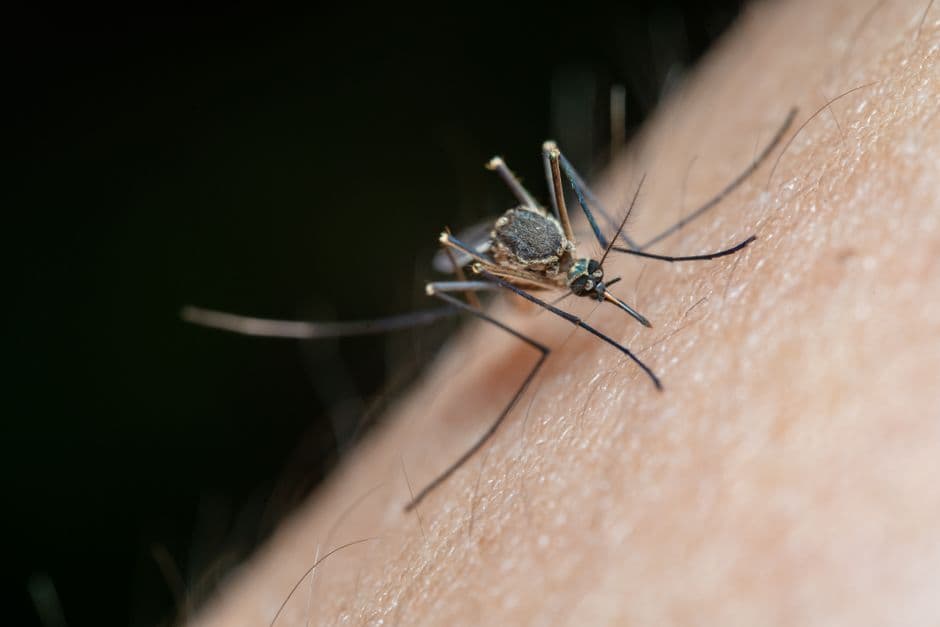
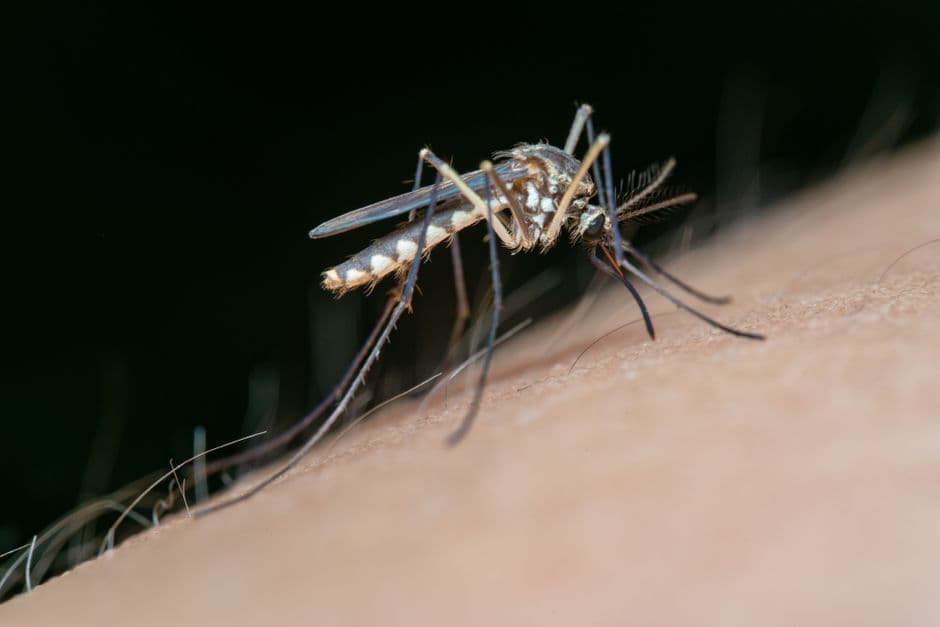
The World Health Organization (WHO) has certified Timor-Leste as malaria-free, a remarkable achievement for a country that prioritized the disease and embarked on a concerted, nation-wide response shortly after gaining independence in 2002. “WHO congratulates the people and government of Timor-Leste on this significant milestone,” said Dr Tedros Adhanom Ghebreyesus, WHO Director-General. “Timor-Lest
As part of our commitment to continuous improvement, PubMed recently introduced several updates designed to improve usability and consistency across the platform. These changes are informed by user feedback and aim to facilitate a more efficient and accessible experience for all PubMed users. Key changes include improved rendering of reference lists, the addition of date stamps in search history downloads, streamline
Starting with the annual baseline release in December 2025, the content of PubMed data distributed via FTP will be generated using the same technology as the PubMed website and E-utilities API. To help users prepare for this transition, a test FTP site is available now with daily update files generated by the new process.
On or after July 28, PubMed will reintroduce the ability to customize subject lines and body text when emailing search results or citations. With this update, the email feature will also require My NCBI login, and PubMed emails will only be sent to the email address associated with the My NCBI account.
Philanthropic support plays a vital role in enabling countries to build stronger health systems and advance towards health equity. From vaccine equity and pandemic preparedness to primary health care, the contributions of philanthropic partners help drive progress across WHO’s key priorities. The importance of philanthropic support was underscored by Dr Tedros Adhanom Ghebreyesus, WHO Director-General, in his r
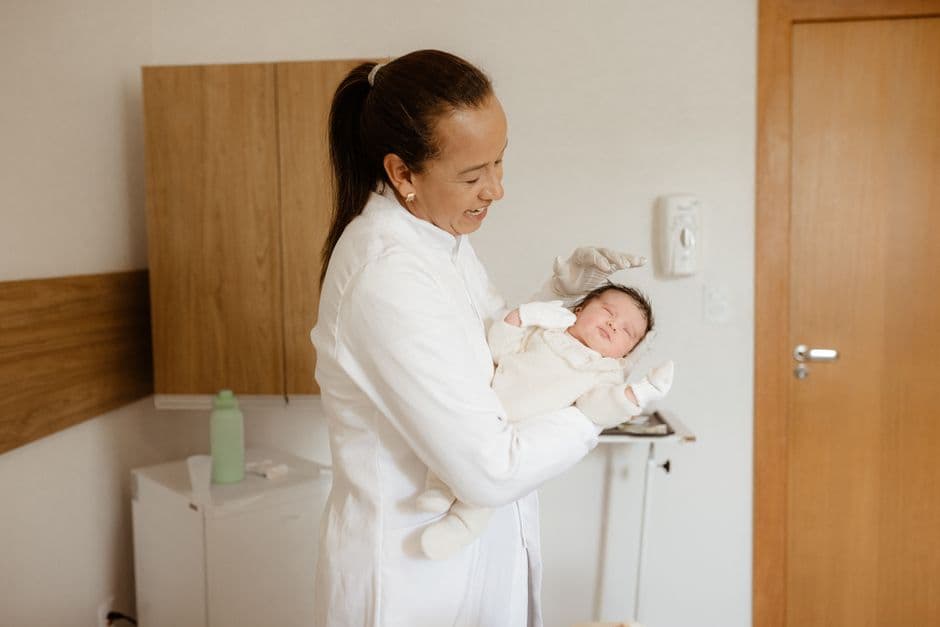
On the occasion of the World Health Day 2025 dedicated to the theme of Healthier beginnings, hopeful futures, over 100 global WHO offices have organized wide-ranging public advocacy actions in collaboration with Member States, communities, health workers, partner and donor agencies and civil society organizations.
In a three-day strategic dialogue, Belgium and WHO reviewed progress in their longstanding partnership, and agreed to further boost their collaboration on universal health coverage, health-systems strengthening and equitable access to essential vaccines, medicines and health technologies. The Belgian delegation – headed by H.E. Christophe Payot, Ambassador of Belgium to the United Nations and other international orga
WHO and Switzerland have announced the renewal of their cooperation strategy for the period 2024-2028. In 2013, Switzerland became the first high-income country in the WHO European Region to pilot a cooperation strategy with WHO (hereafter referred to as the WHO-Switzerland Cooperation Strategy). In 2022, WHO and Switzerland jointly decided to update and renew this cooperation strategy, which was done on 4 March 2025
The Riyadh International Humanitarian Forum 2025 was a significant event that underscored the continued partnership between WHO and KSrelief, as well as with other international partners to address critical humanitarian health crises. The agreements made during the forum are pivotal in combating diseases like malaria, cholera, and polio, and ensuring better healthcare for displaced populations. The forum also highlig
VitaLonga is an educational longevity resource, not a pharmacy, clinic, or doctor. Content is not medical advice and is not intended to diagnose, treat, cure, or prevent any disease (DSHEA). Supplements can interact with medications and are not appropriate in every pregnancy or health condition. Consult a licensed clinician, especially if you take medications, are pregnant or nursing, or have a diagnosed condition.