VitaLonga

Desk

News archive

Every story stays here. Filter by topic, search older headlines, and save favorites to your member record. Educational notes only — not medical advice.

Saved (sign in)

93 stories in this category

The Journal of Nutrition, Health and Aging · 20 Oct 2026 · Nutrition

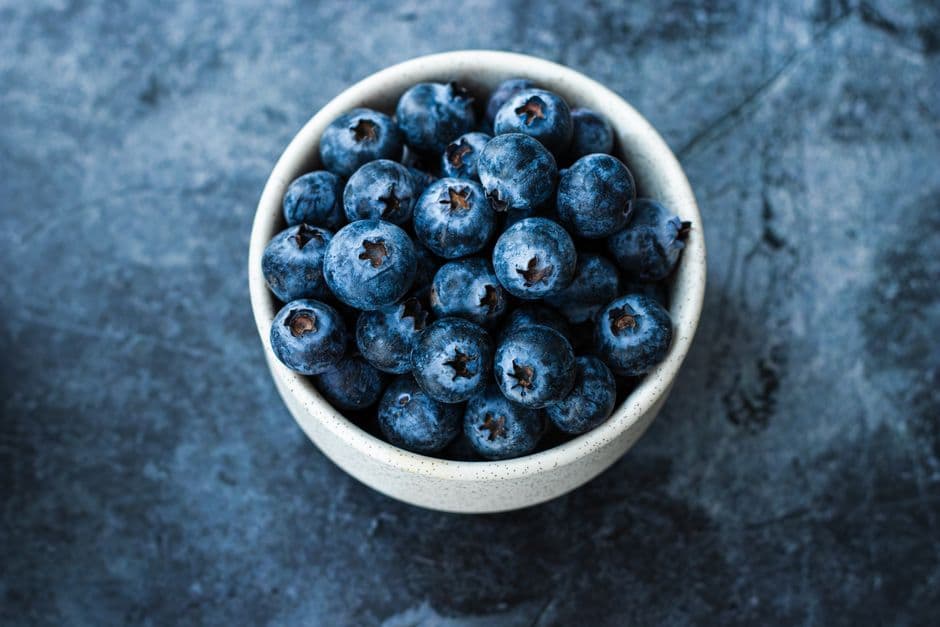
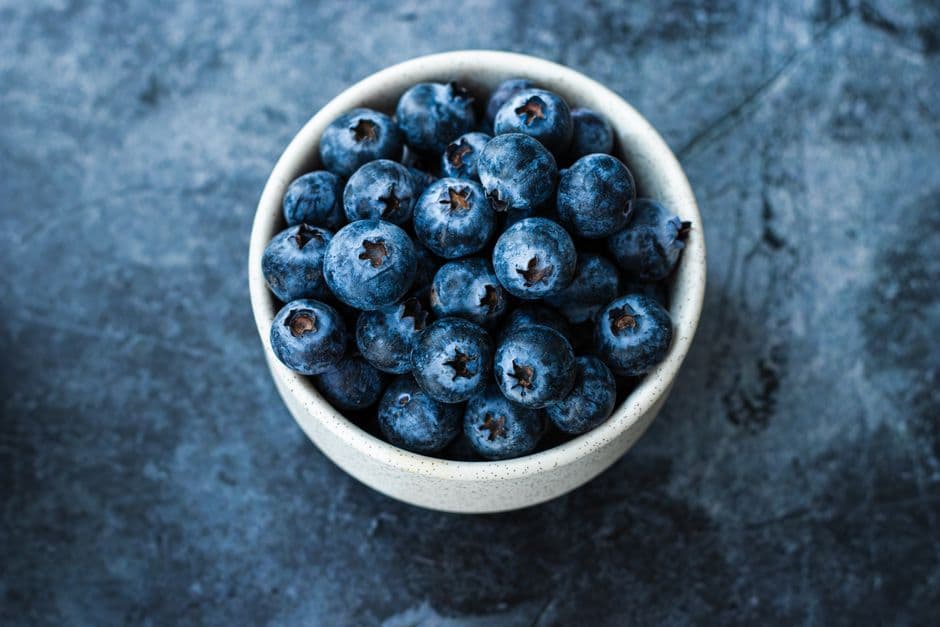
In 18 sedentary adults ages 65 and older, three months of blueberry powder did not beat placebo on mood

Study (small randomized pilot). Courtney L. Millar and colleagues at Hebrew SeniorLife report in The Journal of Nutrition, Health and Aging (2026; 30(10):100958; DOI 10.1016/j.jnha.2026.100958). ScienceDaily carried it on 18 Oct 2026. Eighteen sedentary adults ages 65 and older with mild depressive symptoms finished a three-month trial. Ten ate 48 grams of blueberry powder a day, about two cups of fresh berries. Eight took a matching placebo. Most participants were women, and the group was predominantly white. Mean age was about 71 in the blueberry group and about 75 in the placebo group. Depressive symptoms fell more steadily on the blueberry powder, but the difference versus placebo was not statistically significant. Overall microbial species, metabolic pathways, and short-chain fatty acids did not change. Genes tied to a few gut microbial enzymes did change inside the blueberry group, including one linked to polyamine transport and GABA. A pilot this small cannot show that a blueberry diet treats depression. Not medical advice.

Read at The Journal of Nutrition, Health and Aging →Our summary♡ Save

  • 60+
  • Metabolic / glucose
  • Exercise
  • Nutrition
  • Aging
  • diet
  • mood
  • pilot
  • aging
  • gut
  • study

ScienceDaily · 20 Oct 2026 · Nutrition

Scientists find a way to fight Alzheimer’s brain damage without removing toxic tau

Scientists have found a promising way to protect the brain from Alzheimer’s-related damage by blocking immune cells that contribute to the destruction of neurons. In mice, the treatment preserved roughly 40% more tissue in memory centers and improved memory, even without removing harmful tau protein buildup.

Read at ScienceDaily →Our summary♡ Save

  • Cognitive / dementia research
  • cognition

ScienceDaily · 19 Oct 2026 · Nutrition

Why some people escape Alzheimer’s despite carrying a high-risk gene

Scientists have discovered why some people with a high genetic risk of Alzheimer’s remain mentally sharp into their 80s, uncovering a rare mutation that protects the brain from harmful protein buildup. The findings reveal a potential new way to prevent early brain damage and could pave the way for treatments that mimic this natural defense.

Read at ScienceDaily →Our summary♡ Save

  • Cognitive / dementia research
  • cognition

ScienceDaily · 19 Oct 2026 · Nutrition

Scientists discover why some people still can’t taste food after COVID-19

Scientists have uncovered a possible explanation for why some people struggle to taste food more than a year after recovering from COVID-19. By examining taste buds from patients with lingering symptoms, researchers discovered molecular abnormalities that weaken the signals responsible for detecting sweet, bitter, and savory flavors.

Read at ScienceDaily →Our summary♡ Save

  • Nutrition
  • news

University of Michigan / Journal of Clinical Investigation · 19 Oct 2026 · Nutrition

In mice and nonhuman primates, the tripeptide DT-109 lowered a gut bacterium tied to severe fatty liver

Study (mice and nonhuman primates). Pengxiang Qu, Y. Eugene Chen, and colleagues at the University of Michigan and partner labs report in the Journal of Clinical Investigation (2026; 136(13):e200522; DOI 10.1172/JCI200522; 1 Jul 2026). ScienceDaily recirculated it on 17 Oct 2026. They tie severe fatty-liver inflammation, which they say affects about 7 percent of people worldwide, to overgrowth of Clostridium perfringens and the ammonia that bacterium makes. Ammonia can weaken the intestinal lining so microbial products reach the liver and overactivate CD8 T cells. The glycine tripeptide DT-109 lowered that bacterium and ammonia in mice and in nonhuman primates, tightened the intestinal lining, and in the primates reduced liver inflammation and disease severity. Earlier work from the same group found the compound reduced artery plaque in nonhuman primates. The university holds a patent, licensed it to Diapin Therapeutics, and Chen has an ownership interest; Diapin supplied the compound. This is not a human trial. Not medical advice.

Read at University of Michigan / Journal of Clinical Investigation →Our summary♡ Save

  • Cardiovascular / lipids
  • Metabolic / glucose
  • liver
  • microbiome
  • animal
  • gut
  • inflammation
  • study

Université Sorbonne Paris Nord / EASD 2026, Milan · 19 Oct 2026 · Nutrition

In 89,953 French adults, the highest intake of a red-meat sugar lined up with a 63 percent higher diabetes rate

Conference report (observational, not yet a journal paper). Leopold Fezeu of Université Sorbonne Paris Nord presented preliminary NutriNet-Santé results at the European Association for the Study of Diabetes meeting in Milan. ScienceDaily carried the briefing on 18 Oct 2026. The team estimated intake of N-glycolylneuraminic acid (Neu5Gc), a sugar in beef and lamb that humans do not make, in 89,953 adults, mean age 42, 79 percent women, free of type 2 diabetes and cancer at entry. Over a median 7.2 years, 966 people developed type 2 diabetes. Versus the lowest fifth of meat-derived Neu5Gc, the highest fifth had a hazard ratio of 1.63 (95 percent CI 1.29 to 2.06), and the next fifth 1.41 (1.11 to 1.77), after age, sex, activity, diet quality, smoking, and illness. The link weakened and was no longer significant after also adjusting for how much red meat people ate. Dairy Neu5Gc was not tied to higher risk. Obesity was estimated to explain about 13 percent of the meat-Neu5Gc association. The authors say the figures could change. This does not show that the sugar itself causes diabetes. Not medical advice.

Read at Université Sorbonne Paris Nord / EASD 2026, Milan →Our summary♡ Save

  • Metabolic / glucose
  • Cancer
  • Nutrition
  • diet
  • diabetes
  • conference
  • study

ScienceDaily · 18 Oct 2026 · Nutrition

Eating blueberries every day may have a surprising effect on your mood

Eating blueberries every day could have surprising effects on mood, according to a small study that found greater reductions in depressive symptoms among older adults who consumed the fruit for three months. Researchers also detected changes in gut microbial enzymes, suggesting a possible gut-brain connection, although the mood benefits were not statistically significant compared with a placebo.

Read at ScienceDaily →Our summary♡ Save

  • 60+
  • Cognitive / dementia research
  • Nutrition
  • Aging
  • news
  • cognition
  • aging
  • gut
  • study

UCLA / eBioMedicine · 18 Oct 2026 · Nutrition

In nearly 1,500 adults, an older-looking brain lined up with specific gut bacteria and weaker working memory

Study (cross-sectional, three groups). Kanhao Zhao, Arpana Church, and colleagues at UCLA report in eBioMedicine (2026; 132:106468; DOI 10.1016/j.ebiom.2026.106468). They estimated a Brain Aging Index from resting scans of how brain regions communicate, in nearly 1,500 generally healthy young and mid-life adults. A higher index, meaning the scan looked older than the person's age, lined up with weaker working memory and executive function and with more depression symptoms. In the group that also gave stool samples, a higher index lined up with particular gut bacteria and metabolites, including some fat molecules, a cholesterol-related compound, and lower estetrol. Church, at the Goodman-Luskin Microbiome Center, says the signals may be visible decades before obvious cognitive disease. This does not show that changing the gut slows brain aging, and it is not a dementia diagnosis. Not medical advice.

Read at UCLA / eBioMedicine →Our summary♡ Save

  • Under 40
  • 40–59
  • Cardiovascular / lipids
  • Cognitive / dementia research
  • Aging
  • brain-age
  • microbiome
  • memory
  • cognition
  • aging
  • gut
  • study

University of Reading / Nutrition Research · 18 Oct 2026 · Nutrition

A review of 22 studies found dairy trans fats were not tied to higher heart disease or type 2 diabetes

Study (review of trials and cohorts). Constance Gayet-Boyer, D. Ian Givens, and colleagues report in Nutrition Research (2026; 150:33; DOI 10.1016/j.nutres.2026.03.009). They separated trans fats that occur in milk, butter, yogurt, and cheese from industrial trans fats made by partial hydrogenation. Ten feeding trials, with dairy trans fat intakes of about 1.3 to 13.2 grams a day, found no meaningful blood-lipid difference versus ordinary dairy. Twelve cohort studies, some longer than 20 years, in Europe, Canada, and the United States, did not link higher blood levels of dairy trans fats to heart disease, stroke, cardiovascular death, or type 2 diabetes. The paper does not say industrial trans fats are safe, and it does not claim dairy prevents disease. Not medical advice.

Read at University of Reading / Nutrition Research →Our summary♡ Save

  • Cardiovascular / lipids
  • Metabolic / glucose
  • Nutrition
  • dairy
  • lipids
  • review
  • study

Fudan University / American Journal of Clinical Nutrition · 18 Oct 2026 · Nutrition

In 5,203 adults ages 80 and older in China, a vegetarian pattern lined up with lower odds of reaching 100, mainly when body weight was low

Study (nested case-control in a cohort). Yaqi Li and colleagues report in the American Journal of Clinical Nutrition (online 12 Dec 2025; February 2026 issue; DOI 10.1016/j.ajcnut.2025.101136) using the Chinese Longitudinal Healthy Longevity Survey. Of 5,203 people ages 80 and older, 1,459 later reached 100 and 3,744 died before 100. Mean age was about 94, about 61.5 percent were women, and median follow-up was 4 years. Relative to omnivores, vegetarians had lower odds of becoming centenarians (odds ratio 0.81, 95 percent CI 0.69 to 0.96). Vegans were lower still (0.71, 0.54 to 0.98). Pesco-vegetarians and ovo-lacto-vegetarians were not clearly different from omnivores. The gap was in people with body mass index under 18.5 (0.72, 0.57 to 0.91), not in those at or above 18.5 (0.92, 0.73 to 1.17). News coverage of the same paper said the association appeared in women and not in men; the journal abstract highlights the weight split. This is one national cohort, not a reason to add or drop a food. Not medical advice.

Read at Fudan University / American Journal of Clinical Nutrition →Our summary♡ Save

  • 60+
  • Nutrition
  • Longevity
  • diet
  • centenarian
  • cohort
  • longevity
  • study

Northwestern University / Buck Institute / Aging Cell · 18 Oct 2026 · Nutrition

In ovaries from 28 women ages 50 to 75, the tissue kept remodeling for decades after menopause

Study (human tissue, not a trial). Mark A. Watson, Francesca Duncan, Birgit Schilling, and colleagues at the Buck Institute and Northwestern report in Aging Cell (first published 13 Oct 2026; DOI 10.1111/acel.70714). They measured healthy, non-pathological ovaries from 28 postmenopausal women ages 50 to 75, grouped as 50–59, 60–69, and 70 and older, and quantified 5,812 protein groups. The organ did not look stagnant. Compared with ages 50–59, ovaries at 70 and older shifted toward extracellular-matrix remodeling, inflammatory signaling, and complement activation, which the authors bundled as a 26-protein signature they call BuckPOMS. They checked two extracellular proteins, WNT4 and fibromodulin, by immunohistochemistry. This describes donated tissue. It does not show that the shift causes later disease, and it is not a treatment test. Not medical advice.

Read at Northwestern University / Buck Institute / Aging Cell →Our summary♡ Save

  • Women
  • 40–59
  • 60+
  • Aging
  • menopause
  • ovary
  • proteome
  • aging
  • inflammation
  • study

ScienceDaily · 18 Oct 2026 · Nutrition

Scientists tested 39 sweeteners and uncovered surprising gut effects

Scientists have discovered that many common sweeteners can interfere with gut bacteria, with some combinations involving medications producing surprisingly strong effects. One sweetener mixed with a widely prescribed antidepressant reduced beneficial bacteria and microbial diversity in laboratory experiments, raising new questions about potential effects on gut health and immunity.

Read at ScienceDaily →Our summary♡ Save

  • Nutrition
  • Medicine
  • news
  • gut

VitaLonga is an educational longevity resource, not a pharmacy, clinic, or doctor. Content is not medical advice and is not intended to diagnose, treat, cure, or prevent any disease (DSHEA). Supplements can interact with medications and are not appropriate in every pregnancy or health condition. Consult a licensed clinician, especially if you take medications, are pregnant or nursing, or have a diagnosed condition.