Every story stays here. Filter by topic, search older headlines, and save favorites to your member record. Educational notes only — not medical advice.
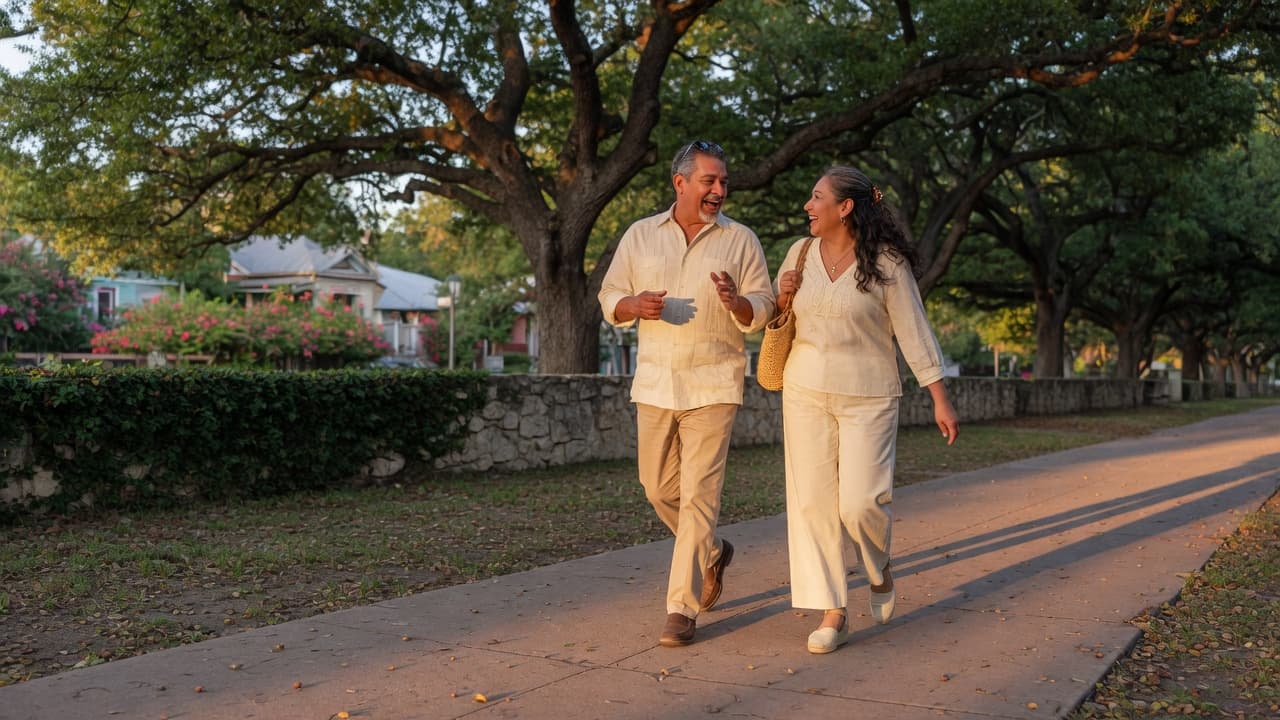
Study (observational). UT Health San Antonio followed 402 San Antonio Heart Study / SALSA adults (mean age 57.9; 52% Hispanic) and linked midlife Life’s Simple 7 cardiovascular scores to later Mini-Mental State Examination change. Any physical activity versus sedentary tracked with slower cognitive decline especially among Mexican American participants; fasting glucose ≤126 mg/dL tracked with slower decline among non-Hispanic white participants. Association is not proof. Sample is modest. Movement and blood-sugar care remain habits with a clinician, not an Alzheimer’s treatment.
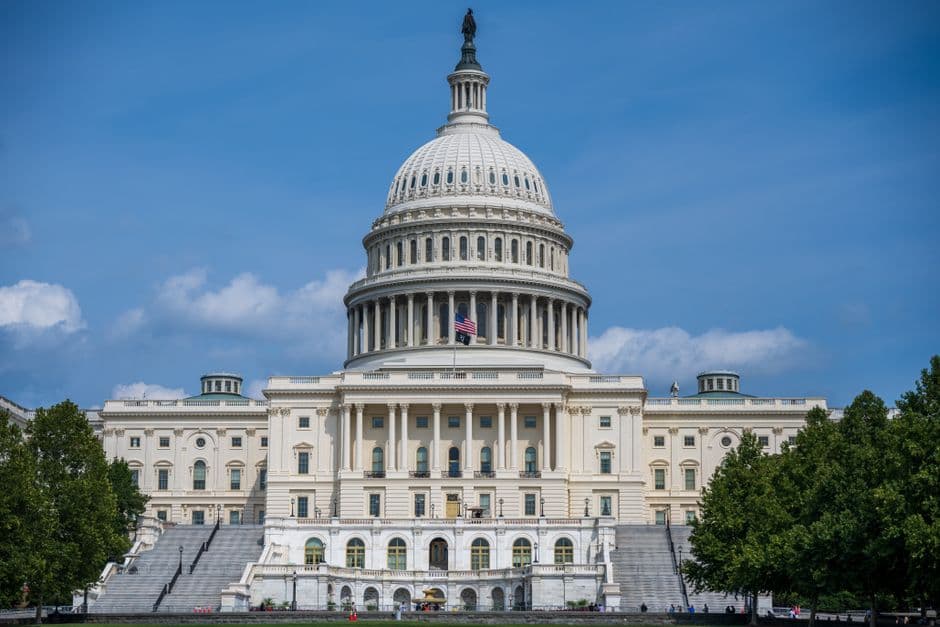
The 2025 reconciliation bill, officially known as the “One Big Beautiful Bill Act” (OBBBA), underwent significant changes as it moved from the House to the Senate and ultimately became law. The post Policy Corner | Fit Future Act Advances, Senate Confirms New CDC Director appeared first on ACSM .
ACSM journal sites have been updated! The ACSM journal websites have a new look and features. You can now find issue highlights from the Editors-in-Chief and featured articles about journal websites, along with the latest information about journal initiatives, calls for papers, and more. Access to all the ACSM journals can be found here: ACSM Journals Congratulations to the ACSM journals for […] The post Scienc
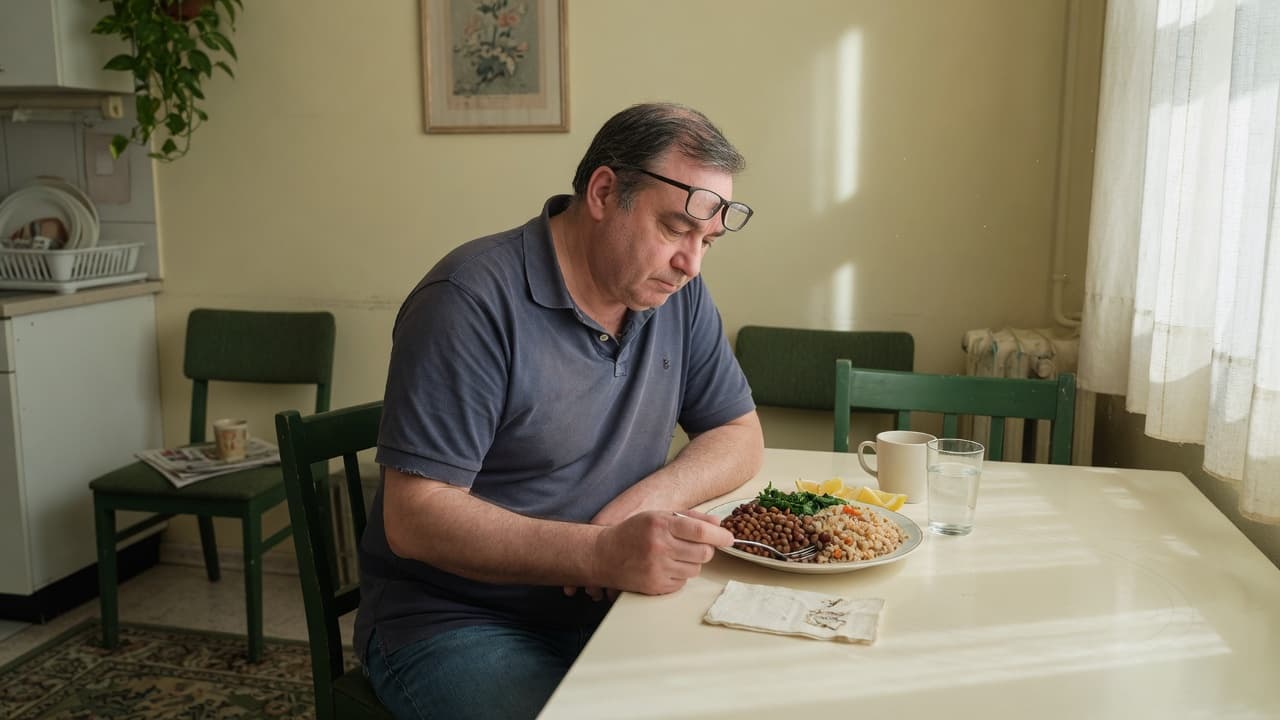
Commentary (review of >350 studies). Lamming and Knopf in Cell Press Blue argue that protein restriction can improve metabolism and nutrient sensing in animals, with FGF21 and branched-chain amino acids as candidate levers. Human trials of lower protein have shown fat loss and better fasting glucose in some sedentary adults, while older or training adults often need more protein to keep muscle. Updated U.S. ranges of 1.2–1.6 g/kg sit in tension with that animal longevity literature. Not a one-size diet and not a claim that protein powders treat aging. Needs vary with activity, pregnancy, and clinician advice.
Study (exploratory crossover RCT). Mohamed Nashrudin bin Naharudin and University of Malaya colleagues report in Frontiers in Physiology that 23 moderately trained men in their early-to-mid 20s, fasted ≥10 hours, completed more leg-extension repetitions after 30-second exposures to chocolate odor before and between sets than after a water control, without a higher rating of perceived exertion. 90% dark-chocolate odor added about 18 repetitions versus water and reduced hunger; 60% milk-chocolate odor added about nine repetitions without the same appetite shift. Small, men-only, fasted lab sessions — not a nutrition protocol and not a reason to eat chocolate for performance. Educational exercise notes.
Study (crossover). Danso, Ihalainen and colleagues had 29 recreationally active adults cycle to exhaustion at ~80% peak power with self-selected 120–140 bpm music versus no music. Time-to-exhaustion was longer with music (35.6 vs 29.8 min). End-exercise heart rate, VO2, RPE, and lactate were similar; VO2peak did not moderate the effect. Small lab trial. Educational exercise notes, not a playlist protocol.
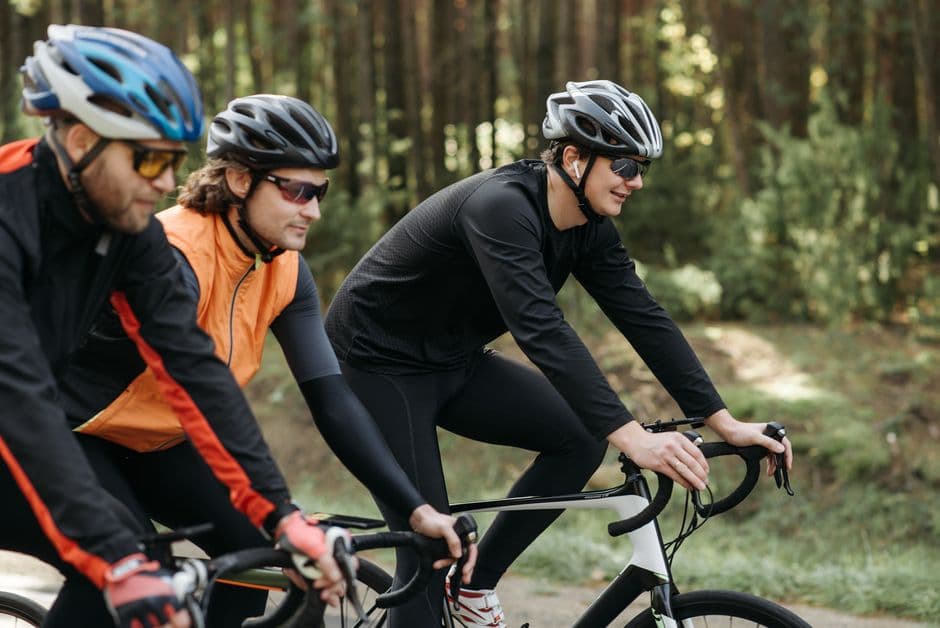
Study (training trial). Martin Eisemann de Almeida and colleagues at the University of Southern Denmark and Steno Diabetes Center Odense analysed muscle biopsies from 44 men aged 40–65 (15 with overweight and type 2 diabetes, 15 with overweight without diabetes, 18 of normal weight) after eight weeks of HIIT (rowing or cycling intervals, three sessions/week). Electron microscopy of about 11,000 mitochondria showed more mitochondria and about 7% expansion of cristae (the inner membrane where energy is produced) across groups, including men with type 2 diabetes. Small, men-only sample; maintenance after stopping training was not tested. This is not a diabetes treatment protocol. Educational exercise notes, not medical advice.
The World Health Organization (WHO) and the African Union (AU) Commission renewed their longstanding strategic partnership today with the signing of an updated Memorandum of Understanding (MoU) on the sidelines of the 78th World Health Assembly in Geneva. This renewed agreement reaffirms the joint commitment to advancing health security, universal health coverage, and sustainable development across the African contin
The World Health Organization has released "The Role of Parliaments and Parliamentarians in Strengthening Health Security Preparedness", an online training course. This essential resource aims to equip parliamentarians with the knowledge and tools necessary to enhance global health security efforts.
WHO and Netherlands Strategic Dialogue in The Hague, Netherlands 10 April 2024. Credit: Michel Mees Photography The WHO and the Netherlands convened in The Hague on 10 April 2024, to discuss joint priorities and alignment between the Dutch Global Health Strategy and WHO’s key strategic goals, marking a new milestone in their longstanding partnership. Rooted in the Netherlands' unwavering commitment to global he
To mark World Health Day (7 April), the World Health Organization (WHO) is running the “My health, my right” campaign to champion the right to health of everyone, everywhere. The campaign advocates for ensuring universal access to quality health services, education, and information, as well as safe drinking water, clean air, good nutrition, quality housing, decent working and environmental conditions, and
VitaLonga is an educational longevity resource, not a pharmacy, clinic, or doctor. Content is not medical advice and is not intended to diagnose, treat, cure, or prevent any disease (DSHEA). Supplements can interact with medications and are not appropriate in every pregnancy or health condition. Consult a licensed clinician, especially if you take medications, are pregnant or nursing, or have a diagnosed condition.