VitaLonga

Desk

News archive

Every story stays here. Filter by topic, search older headlines, and save favorites to your member record. Educational notes only — not medical advice.

Saved (sign in)

101 stories in this category

UNICAMP / EurekAlert · 22 Sept 2026 · Exercise

Seven days of stair-climb work shrank visceral fat cells in obese male mice before body weight changed

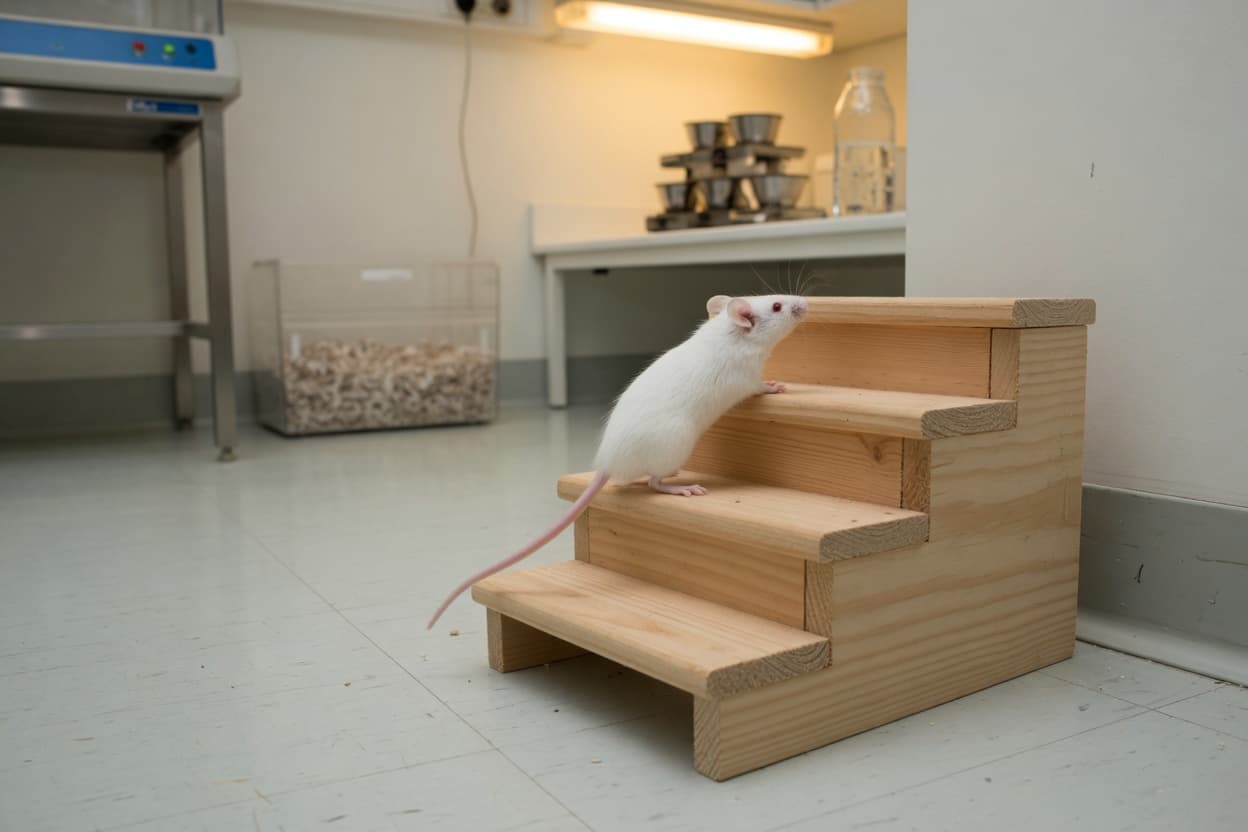
Study (animal). Leandro Moura and colleagues at UNICAMP report in Life Sciences (doi 10.1016/j.lfs.2026.124546; paper 23 June 2026; EurekAlert 22 September 2026). Male mice ate either a standard diet or a high-fat diet. Obese mice then either stayed sedentary or did seven strength-training sessions: 20 climbs of a 70 cm staircase at about 70% of the load they could carry, with 60 to 90 seconds of rest. The high-fat diet continued, so the training was the difference. Body weight did not fall. The trained mice still had less mesenteric fat, the fat around the intestines, and smaller fat cells. Training increased the pairing of ABHD5 with ATGL, a step in breaking down stored fat, and lowered Scd1, a gene tied to making fat. The authors describe the smaller fat cells as a shift toward metabolic health before any change on the scale. This is a one-week mouse experiment, not a human program. Educational notes.

Read at UNICAMP / EurekAlert →♡ Save

  • Metabolic / glucose
  • Exercise
  • Nutrition
  • study
  • fitness
  • nutrition

University of Exeter / News-Medical · 21 Sept 2026 · Exercise

A Cochrane review found tailored fall programs no clearer than exercise for people over 65

Study (Cochrane review). Cynthia Swarnalatha, Lianne Wood, Sarah Lamb, and colleagues report in the Cochrane Database of Systematic Reviews (doi 10.1002/14651858.CD012221.pub3; Exeter note 21 September 2026) on multifactorial and multi-component programs meant to prevent falls in people over 65 living in the community. Tailored multifactorial programs probably made no difference to how often people fall, or to the risk of falling, compared with falls advice or education. Versus usual care, any reduction in rate or recurrence looked small. Versus exercise, it was unclear whether they reduced the rate or the risk of falling again. Multi-component programs that were not personalized showed little or no benefit versus usual care, exercise, or falls education. The release notes about one in three people over 65 fall at least once a year. Review of trials, not a new workout plan. Educational movement notes.

Read at University of Exeter / News-Medical →♡ Save

  • 60+
  • Exercise
  • Aging
  • study
  • fitness

News-Medical · 21 Sept 2026 · Exercise

Regular exercisers in their twenties showed different blood metabolites and immune cells than sedentary peers

Study (cross-sectional). Song and colleagues report in Science Advances on 86 non-obese adults aged 20 to 40 (mean age 28, mean BMI 21.3). Forty people who exercised at least three times a week, meeting about 150 minutes moderate or 75 minutes vigorous, were compared with 46 people who reported no planned exercise. Blood differences involved glucose and lipid metabolism, metabolites consistent with fatty acid oxidation, and antioxidant-related metabolites. Bilirubin, uric acid, and creatinine were higher in the exercise group. Models adjusted for sex and BMI. A women-only look showed similar gene-expression trends. Habit comparison, not a training trial, and muscle mass was not measured. Educational exercise notes.

Read at News-Medical →♡ Save

  • Under 40
  • Metabolic / glucose
  • Exercise
  • study
  • fitness

Poznan University of Medical Sciences / EurekAlert · 18 Sept 2026 · Exercise

Ten runners with type 1 diabetes finished a marathon in a similar time to peers without diabetes

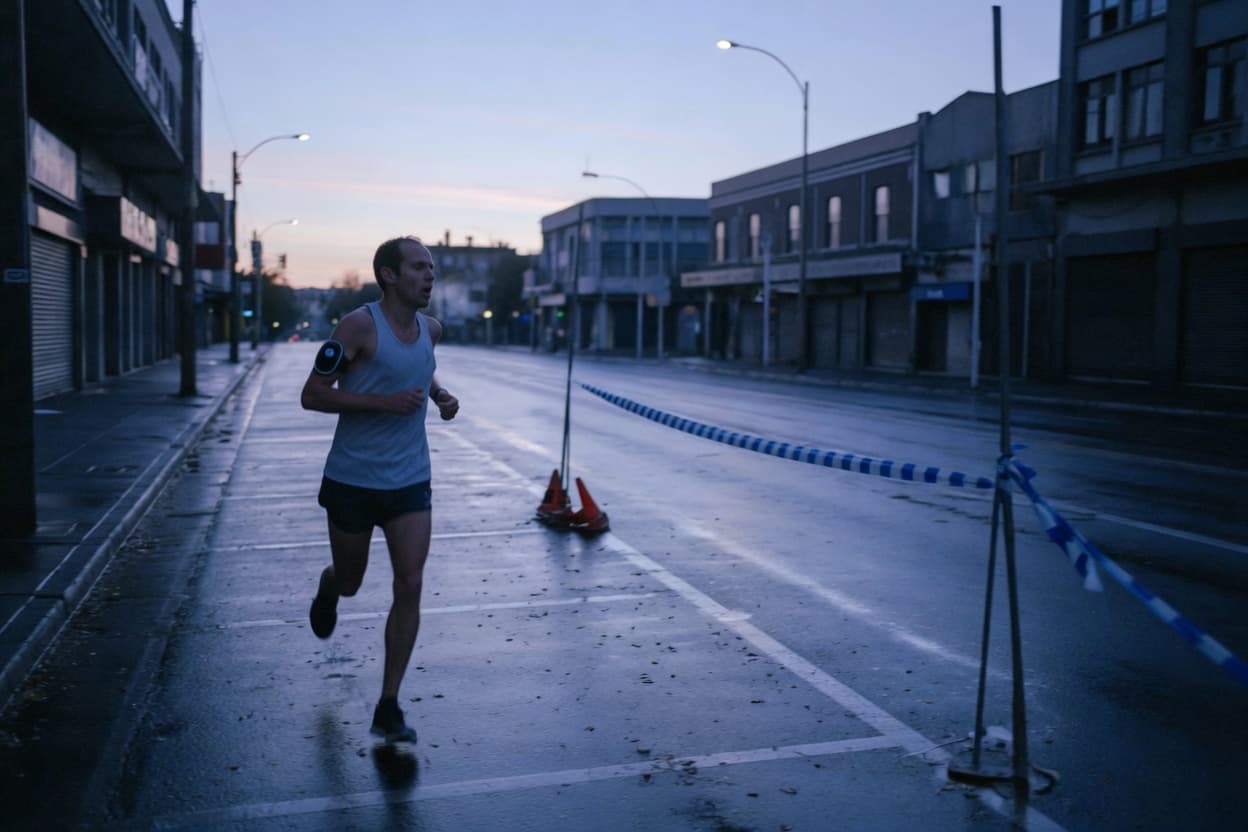
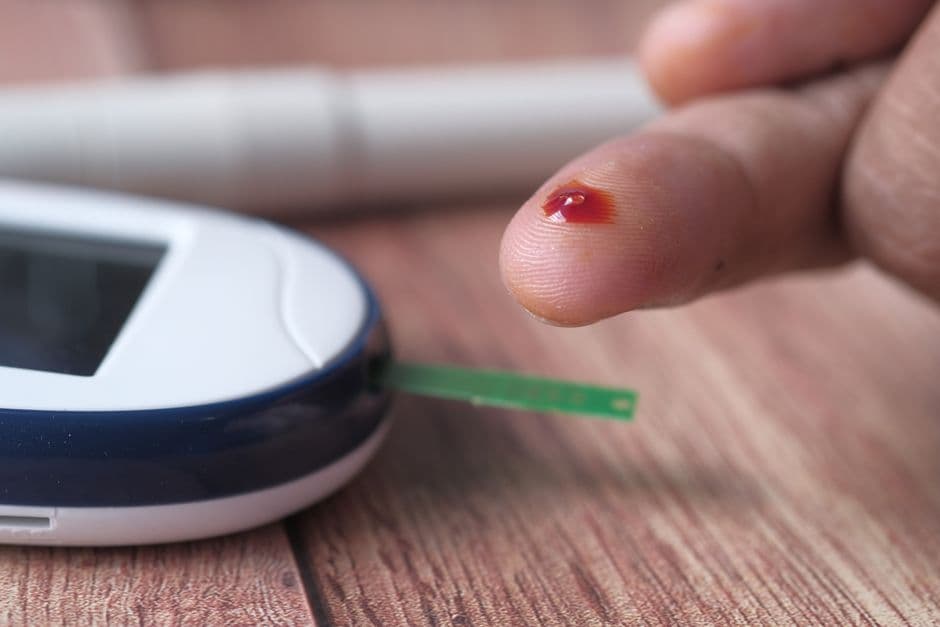
Study (observational, small). Michał Kulecki, Andrzej Gawrecki, and colleagues at Poznan University report a field study of the 2025 Poznań Marathon, released ahead of the EASD meeting in Milan (EurekAlert 18 September 2026). Twenty amateur runners took part: 10 with type 1 diabetes for at least a year and 10 without diabetes. Mean ages were 35.4 and 39.7 years. Each group had 8 men and 2 women. In the diabetes group, median duration was 16.5 years and HbA1c was 6.4%. Finish times did not differ meaningfully: 228 minutes with diabetes and 248 minutes in the comparison group. Runners with diabetes took in a median 53.5 g of carbohydrate per hour. Finger-stick glucose medians were 183.5 mg/dL at the start, 119.5 at 10 km, 142.5 at 19 km, 121.5 at 30 km, and 108.5 at the finish. Two low readings occurred in one runner, who still finished; that runner had started below 140 mg/dL. Sensors were less accurate on the course. They differed from the finger-stick by about 43% (scanned) and 37% (real-time) and read higher by 32.2 and 50.4 mg/dL. The authors say a finger-stick is worth using when a sensor does not match how a runner feels, and that any insulin plan belongs with a clinician before a race. One small race is not a training plan. Educational notes.

Read at Poznan University of Medical Sciences / EurekAlert →♡ Save

  • Women
  • Men
  • Under 40
  • Metabolic / glucose
  • Exercise
  • study
  • fitness

News-Medical · 18 Sept 2026 · Exercise

Lower weekly MVPA tracked more than twice the relative type-2 diabetes risk under age 63

Study (observational; EASD 2026 presentation of a Diabetes, Obesity and Metabolism paper, doi 10.1111/dom.71214). Qiuyu Feng, Diana van Heemst and Leiden colleagues analyzed 87,975 UK Biobank adults without diabetes (mean age 63; 57% women) who wore a wrist accelerometer for seven days, then followed 7.7 years (2,140 new T2D cases). Lower MVPA (median 121 min/week) vs higher (409 min/week) tracked about twice the relative T2D risk; under age 63 the relative gap was more than twofold, versus 65% higher risk at 63+. Absolute case numbers rose more with age, especially in men. Later-day activity (1 pm–midnight) tracked 10% lower relative risk. Conference/cohort limits. Educational exercise notes, not a diabetes treatment.

Read at News-Medical →♡ Save

  • 40–59
  • 60+
  • Metabolic / glucose
  • Exercise
  • study
  • fitness

News-Medical · 18 Sept 2026 · Exercise

In 353 older adults, muscular fitness tracked fewer brain perivascular spaces — not better memory

Study (cross-sectional). Anne Maass and colleagues report in npj Aging (doi 10.1038/s41514-026-00512-4) on 353 cognitively unimpaired adults aged 60–94. Objectively measured muscular capacity was associated with lower basal ganglia perivascular-space volume (enlarged PVS is linked to small-vessel disease); aerobic fitness showed a weaker, non-significant association after multiple-comparison correction. Fitness was not associated with baseline global cognition or episodic memory. Observational, not a training trial. Educational exercise notes, not a dementia treatment.

Read at News-Medical →♡ Save

  • 60+
  • Cognitive / dementia research
  • Exercise
  • Aging
  • study
  • fitness
  • cognition
  • aging

Sports Medicine · 17 Sept 2026 · Exercise

Resistance training produced small muscle-mass gains in children and teens across 23 trials

Study (meta-analysis). Komm and colleagues pooled 23 trials (1,443 children and adolescents). Versus passive controls, resistance training raised muscle mass a small amount (d=0.22); versus active controls the effect was larger (d=0.61), especially in postpubertal males. Hypertrophy was not limited to post-puberty. Youth, not adult. Educational exercise notes, not a kids’ bulk program.

Read at Sports Medicine →♡ Save

  • Under 40
  • Exercise
  • study
  • fitness

npj Aging · 17 Sept 2026 · Exercise

Three months of midlife exercise lifted mood, not pattern-separation, in the NeuroFit RCT

Study (randomized controlled trial). Sahand Farmand and colleagues report in npj Aging (doi 10.1038/s41514-026-00439-w) on 52 previously inactive UK adults aged 45–65 (BMI 20–30). Twenty-seven did three weekly online classes (aerobic, resistance, combined) for 12 weeks versus 25 controls. The primary outcome, mnemonic pattern separation, did not change (β = 0.33, p = 0.26). Depressive symptoms on PHQ-9 fell (β = −1.18, adjusted p = 0.011) even in people without depression, and an in-vitro hippocampal-progenitor assay shifted. Small trial; mood change is not a dementia result. Educational exercise notes, not medical advice.

Read at npj Aging →♡ Save

  • 40–59
  • Cognitive / dementia research
  • Exercise
  • Aging
  • study
  • fitness
  • cognition
  • aging

ScienceDaily · 16 Sept 2026 · Exercise

Ultra-processed foods linked to hidden muscle fat that may threaten your knees

Eating more ultra-processed foods was linked to greater fat buildup inside thigh muscles, according to MRI scans of 615 adults at risk for knee osteoarthritis. Surprisingly, the association remained even after researchers accounted for calorie intake, physical activity, and other factors. Fatty changes in these muscles may weaken support around the knee and potentially increase osteoarthritis risk.

Read at ScienceDaily →♡ Save

  • Exercise
  • Nutrition
  • muscle
  • nutrition

University of Malaya / Frontiers in Physiology · 15 Sept 2026 · Exercise

In men in their early twenties, a dark-chocolate smell added about 18 leg-extension repetitions

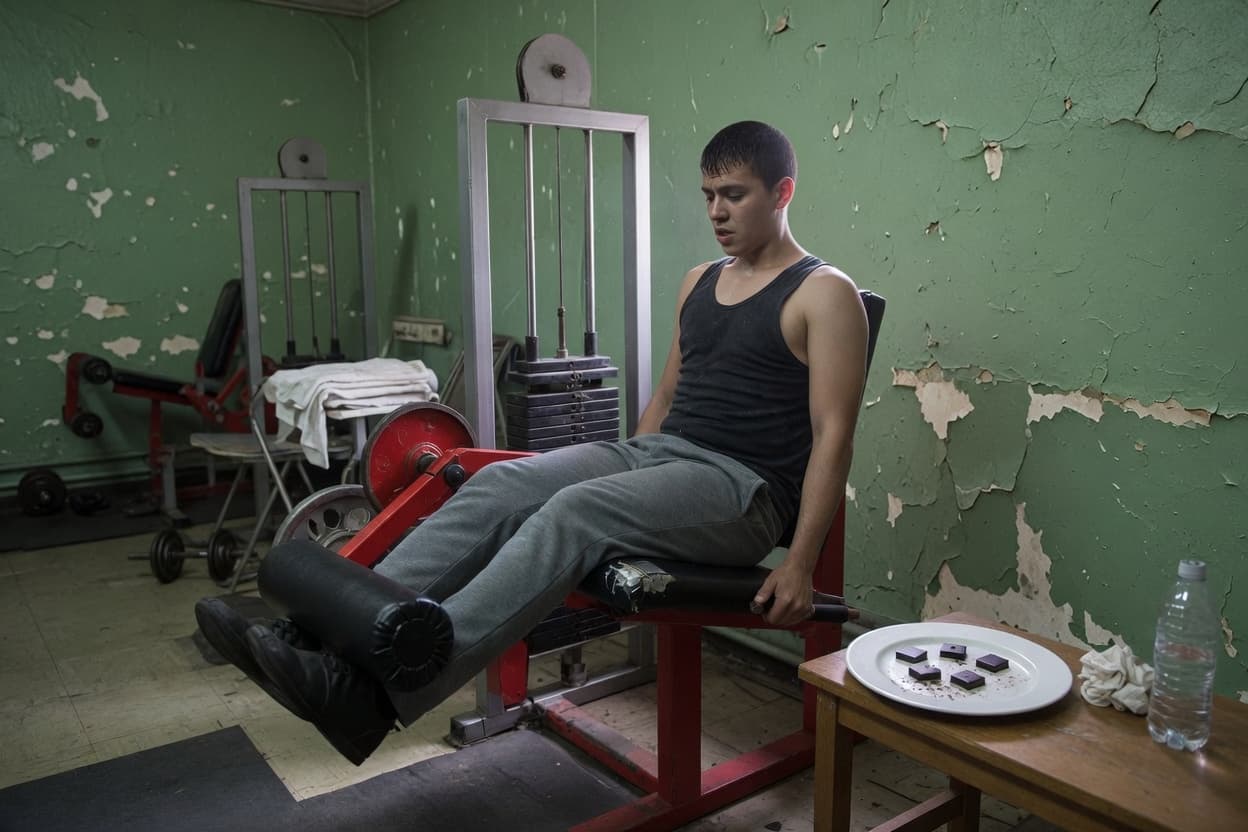
Study (exploratory). Xiaohan Fan, Mohamed Nashrudin bin Naharudin, and colleagues report in Frontiers in Physiology (doi 10.3389/fphys.2026.1834757; ScienceDaily 15 September 2026). Twenty-three healthy men in their early to mid-20s, already doing resistance exercise, came in after at least 10 hours without eating. Each man smelled one of three samples around a leg-extension session: 90% dark chocolate, 60% milk chocolate, or water. Dark chocolate tracked lower hunger and more fullness beforehand. Milk chocolate smelled more pleasant but did not change appetite ratings. The dark-chocolate smell lined up with about 18 extra repetitions versus water, and the milk-chocolate smell with about 9, without a higher effort rating. The authors read this as a psychobiological effect of a familiar aroma, not as a reason to eat chocolate for a workout. Small, fasted, and limited to young men. Educational notes on training, not a program.

Read at University of Malaya / Frontiers in Physiology →♡ Save

  • Men
  • Under 40
  • Exercise
  • Nutrition
  • study
  • fitness

ScienceDaily · 15 Sept 2026 · Exercise

Nearly 10,000 patients reveal what works best for knee arthritis pain relief

A major analysis of 139 clinical trials involving nearly 10,000 people suggests that some of the simplest treatments may work best for knee osteoarthritis. Knee braces ranked highest overall for reducing pain, stiffness, and mobility problems, while water-based therapy was especially effective for pain and regular exercise consistently improved both pain and physical function. More high-tech approaches, including ult

Read at ScienceDaily →♡ Save

  • Exercise
  • news
  • fitness
  • study

NUS Yong Loo Lin School of Medicine / EurekAlert · 13 Sept 2026 · Exercise

University students logged less daily movement and more sitting than adults in their 70s

Study (wearable observation). Ju Lynn Ong, Shuo Qin, Michael Chee, and colleagues report in BMC Med. (doi 10.1186/s12916-026-05192-1; EurekAlert 13 September 2026; Singapore note 14 September) on four weeks of Oura Ring data from 1,967 adults in three Singapore cohorts: university students (mean age about 20), working-age adults (mean age about 41), and community-dwelling older adults (mean age about 74). Students averaged 320 minutes of daily physical activity, versus 347 minutes in working-age adults and 420 minutes in older adults. Students also sat the most, 634 minutes a day (over 10.5 hours), compared with 581 minutes for working adults and 501 minutes for older adults. Students set aside the least time for sleep (432 minutes) versus 446 and 456 minutes; older adults had the shortest actual sleep because their sleep was more fragmented. Older adults stayed active through the day on weekdays and weekends. Student weekday movement clustered around class changes and fell by about 30 minutes on weekends. In working-age and older adults, a compositional analysis tied shifting 30 minutes of sitting toward any movement, including light walking, to more favorable markers of obesity and arterial stiffness. That 30-minute finding is an association in the older groups, not a trial that assigned students to move more. Educational notes on movement, not personal training advice.

Read at NUS Yong Loo Lin School of Medicine / EurekAlert →♡ Save

  • Under 40
  • Cardiovascular / lipids
  • Metabolic / glucose
  • Exercise
  • Aging
  • study
  • fitness
  • sleep
  • aging

VitaLonga is an educational longevity resource, not a pharmacy, clinic, or doctor. Content is not medical advice and is not intended to diagnose, treat, cure, or prevent any disease (DSHEA). Supplements can interact with medications and are not appropriate in every pregnancy or health condition. Consult a licensed clinician, especially if you take medications, are pregnant or nursing, or have a diagnosed condition.