VitaLonga

Desk

News archive

Every story stays here. Filter by topic, search older headlines, and save favorites to your member record. Educational notes only — not medical advice.

Saved (sign in)

101 stories in this category

Sports Medicine · 14 Oct 2026 · Exercise

Across 27 trials and 1,177 people, chronic exercise training made walking cost less energy in healthy adults

Study (systematic review and meta-analysis). Hortobágyi and colleagues pooled 27 studies, 36 training arms, and 1,177 people, published online 14 Oct 2026. Chronic exercise improved the energy cost of walking (effect size g = 0.40). The gain was clearer in 703 healthy adults (g = 0.49) than in people with stroke (g = 0.24, p = 0.065). The patient set also included one multiple-sclerosis study and one Parkinson's study. Higher average body mass index went with smaller effects. Training type, duration, intensity, and session length did not clearly change the result, and the model may have been too small to see those differences. People with neurological disease should plan training with a clinician. Not medical advice.

Read at Sports Medicine →♡ Save

  • Cardiovascular / lipids
  • Cognitive / dementia research
  • Exercise
  • walking
  • meta-analysis
  • fitness
  • study

ScienceDaily · 13 Oct 2026 · Exercise

Cellular recycling rates differed by cell type and by sex

ScienceDaily reported on 13 October 2026 a Sanford Burnham Prebys study in Aging Cell. Blood and skin from healthy volunteers ages 23 to 72, plus neurons made from some of those skin cells, were tested for autophagy, the cell’s recycling of damaged parts. Recycling fell with age in skin cells from men, stayed about steady in skin cells from women, and rose with age in neurons made from women’s cells. Gene-activity readouts did not reliably match the measured recycling rate. Among people 70 and older, higher recycling lined up with poorer fitness or strength measures, depending on the cell type. A separate pilot of five people ages 77 to 88, before and after 12 weeks of fall-prevention movements, suggested blood-cell recycling moved toward levels seen in younger adults. That pilot is too small to guide practice. Not medical advice.

Read at ScienceDaily →♡ Save

  • Metabolic / glucose
  • Exercise
  • Aging
  • study
  • aging
  • fitness

Frontiers in Aging · 12 Oct 2026 · Exercise

The impact of aging, sex, and exercise on brain mitochondria

Mitochondrial function is essential for brain health. Its age-related decline impairs neuronal resilience and increases risk for the development of neurodegenerative diseases. As sex is an important biological variable in both physiological and pathological brain function, in this mini review, we highlight emerging evidence of sex differences in mitochondrial content and function in the brain and what is currently un

Read at Frontiers in Aging →♡ Save

  • Cognitive / dementia research
  • Exercise
  • Aging
  • mini review
  • cognition
  • aging
  • fitness

Tulane University / Nature Communications · 10 Oct 2026 · Exercise

In 277,489 adults ages 40 to 69, loneliness plus social isolation lined up with fewer years free of depression and anxiety

Study (observational; not a trial). ScienceDaily carried the Tulane University account on 10 October 2026. Xuan Wang, Hao Ma, Yoriko Heianza, Zhaoxia Liang, Oscar H. Franco, and Lu Qi report in Nature Communications (2026; 17(1); doi 10.1038/s41467-026-74498-8). The cohort was 277,489 adults ages 40 to 69 who, at the start, did not have diabetes, heart disease, lung disease, dementia, cancer, depression, or anxiety. Using age 50 as the reference, women with both loneliness and social isolation had 2.4 fewer years free of physical disease and about 3.7 fewer years free of mental disorders than people with neither. Men with both had 1.7 fewer years free of physical disease and about 5.8 fewer years free of depression and anxiety. The release separates social isolation (few connections) from loneliness (dissatisfaction with those connections). Healthier diet, exercise, sleep, and not smoking reduced the loss tied to isolation; the same habits did not clearly reduce the loss tied to loneliness. Qi said the team plans other populations and trials, because this analysis does not show that loneliness causes the missing years. Educational notes. This is not medical advice.

Read at Tulane University / Nature Communications →♡ Save

  • Women
  • Men
  • 40–59
  • 60+
  • Cardiovascular / lipids
  • Metabolic / glucose
  • Cognitive / dementia research
  • Cancer
  • Exercise
  • Nutrition
  • study
  • sleep
  • cognition
  • fitness
  • nutrition

The Menopause Society / ARIC · 9 Oct 2026 · Exercise

In more than 4,700 women ages 45 to 64, menopause before 40 lined up with higher insulin and more cardiovascular disease

Meeting presentation (the release does not cite a journal paper). The Menopause Society posted this on 9 October 2026. The dateline reads 20 October 2026, and the work is scheduled for the society's annual meeting in San Diego on 20-24 October 2026. Zailing Xing and colleagues used the ARIC study: more than 4,700 postmenopausal women ages 45 to 64, mean follow-up 21.4 years, 1,570 cardiovascular events. Premature menopause means menopause before age 40. Compared with menopause at or after 45, premature menopause was associated with higher risk of cardiovascular disease and of coronary heart disease, and not with stroke or heart failure. Menopause at ages 40 to 44 was not associated with those higher risks in this release. Insulin was 9.3 percent higher after premature menopause. Fasting glucose did not differ. The authors say insulin resistance may be one path between early menopause and later heart disease. Stephanie Faubion, medical director of The Menopause Society, said the reasons are not fully understood and that this is not itself a treatment test. The people followed were 45 to 64, so this row is not tagged as a current under-40 audience even though the menopause happened before 40. Educational notes. This is not medical advice.

Read at The Menopause Society / ARIC →♡ Save

  • Women
  • 40–59
  • 60+
  • Cardiovascular / lipids
  • Metabolic / glucose
  • Exercise
  • Nutrition
  • Aging
  • study
  • fitness
  • nutrition

FAPESP / UNICAMP / Life Sciences · 8 Oct 2026 · Exercise

Seven strength sessions shrank visceral fat cells in obese male mice before body weight changed

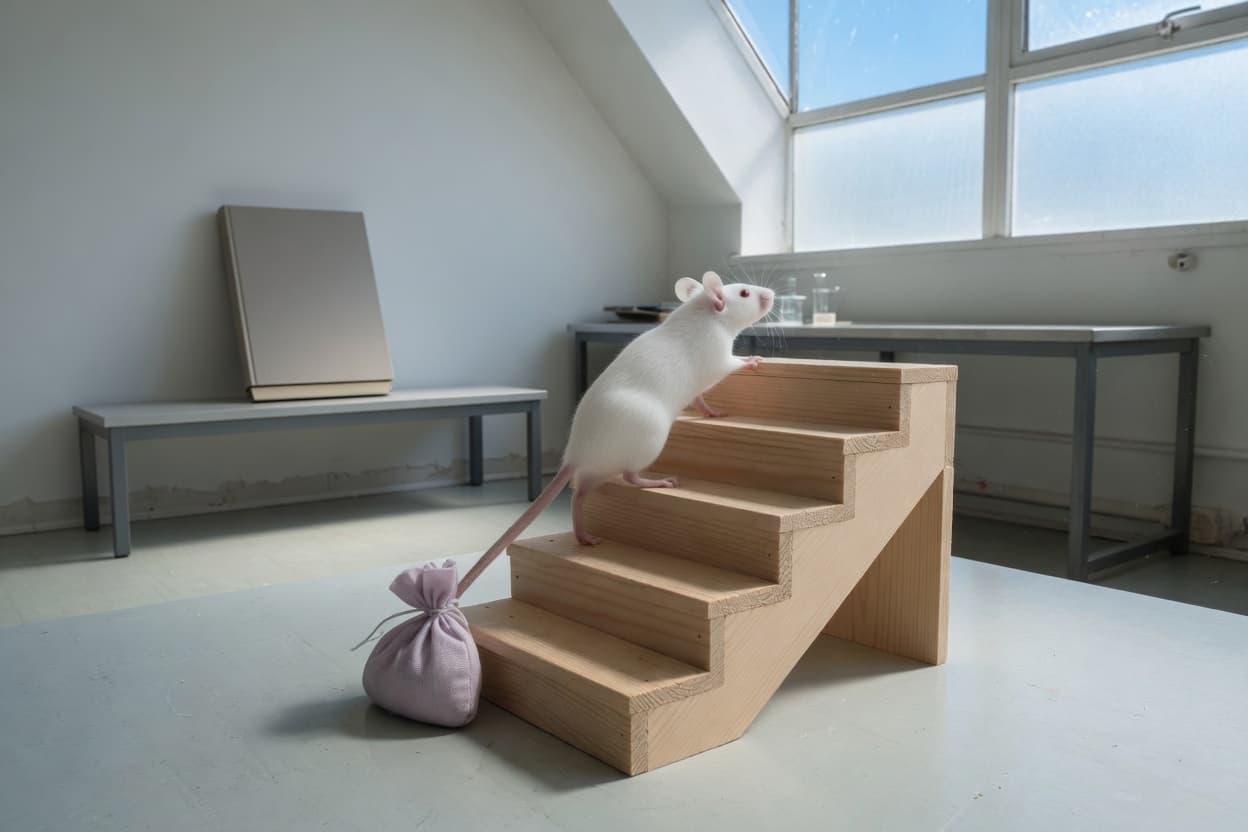
Study (male mice only). ScienceDaily carried the FAPESP account on 8 October 2026. Diego Gomes de Melo, Leandro Pereira de Moura, and colleagues at the State University of Campinas report in Life Sciences (2026; 401:124546; doi 10.1016/j.lfs.2026.124546). Obese mice made that way with a high-fat diet either stayed sedentary or climbed a 70-centimeter staircase carrying a tail weight, 20 climbs at about 70 percent of maximum, with 60 to 90 seconds of rest, for seven sessions. Both obese groups kept eating the high-fat diet. Body weight did not fall. Trained mice had less mesenteric fat, the fat around the intestines, and smaller fat cells. Obesity had lowered proteins used to break down stored fat. After the seven sessions, PLIN1, ABHD5, and ATGL were more engaged, and Scd1, a gene involved in making fat, was lower. The release says the animals were male, only one fat depot was studied, and seven days in a mouse is not a human program. Moura said aerobic and strength work turn on overlapping and different paths, and that the scale can lag the cell changes. Educational notes. This is not a workout plan.

Read at FAPESP / UNICAMP / Life Sciences →♡ Save

  • Metabolic / glucose
  • Exercise
  • Nutrition
  • study
  • animal
  • fitness
  • nutrition

ACSM · 7 Oct 2026 · Exercise

Active Voice | Menstrual Cycle Phase-Based Training: Think Before You Sync

For decades, researchers excluded females from resistance training research, often because of concerns about how endogenous ovarian hormones might influence adaptations. Premenopausal female physiology is unique because ovarian hormone concentrations fluctuate throughout the menstrual cycle. In particular, estrogen concentrations typically peak during the late follicular phase before ovulation, while progesterone con

Read at ACSM →♡ Save

  • Cardiovascular / lipids
  • Exercise
  • active voice
  • heart health
  • member exclusive
  • physical activity guidelines
  • resistance training
  • fitness

ACSM · 7 Oct 2026 · Exercise

Science Spotlight | October 2026 Highlights

Still time to register for ACSM’s October From Around the Field webinar ACSM’s science webinar series, From Around the Field, is designed to provide ACSM students and members with an opportunity to learn about the diverse science our members conduct. Join us for informal discussions with our ACSM members to hear more about what they […] The post Science Spotlight | October 2026 Highlights appeared first on ACSM

Read at ACSM →♡ Save

  • Exercise
  • member exclusive
  • science spotlight
  • physical activity
  • physical activity guidelines
  • physical education

Oregon State University / Journal of Controlled Release · 5 Oct 2026 · Exercise

Lipid nanoparticles carrying follistatin mRNA shrank mouse lung tumors and eased cancer muscle wasting

Study (mice). ScienceDaily carried the Oregon State University account on 5 October 2026. Yoon Tae Goo, Oleh Taratula, and colleagues report in the Journal of Controlled Release (2026; 394:114870; doi 10.1016/j.jconrel.2026.114870). Intravenous lipid nanoparticles bound vitronectin in blood and collected in lung tumors, which overexpress integrin receptors that vitronectin engages. Follistatin messenger RNA delivered there told cells to make follistatin. Compared with conventional liver-seeking particles that produced follistatin in the body at large, tumor-directed delivery cut tumor burden about 2.5-fold more. The same treatment improved food intake, held body weight, and preserved muscle and fat in the mouse model of cancer cachexia, which the release says can kill as many as 30 percent of the cancer patients it affects. The American Cancer Society figures in the release are about 230,000 new U.S. lung-cancer cases and about 125,000 deaths this year. The release does not give mouse counts. The authors say more preclinical work is required before any human test. This is not a treatment available to patients. Educational notes. This is not medical advice.

Read at Oregon State University / Journal of Controlled Release →♡ Save

  • Cancer
  • Exercise
  • Nutrition
  • study

Frontiers in Aging · 5 Oct 2026 · Exercise

OpenCap-based five-times sit-to-stand analysis in older Asian women with and without sarcopenia

IntroductionSarcopenia‐related lower‐limb functional impairment is commonly assessed using five‐times sit‐to‐stand (5STS) completion time, which provides limited information about how performance differs within the task. This study examined two questions: the concurrent agreement of OpenCap‐derived lower‐limb kinematics with Vicon during repeated 5STS, and whether OpenCap‐derived kinematic and temporal measures disti

Read at Frontiers in Aging →♡ Save

  • Exercise
  • Aging
  • original research
  • muscle
  • aging
  • study

Newcastle University / The Conversation · 2 Oct 2026 · Exercise

A Newcastle commentary says one strength session a week can help older adults keep the strength to stand and carry

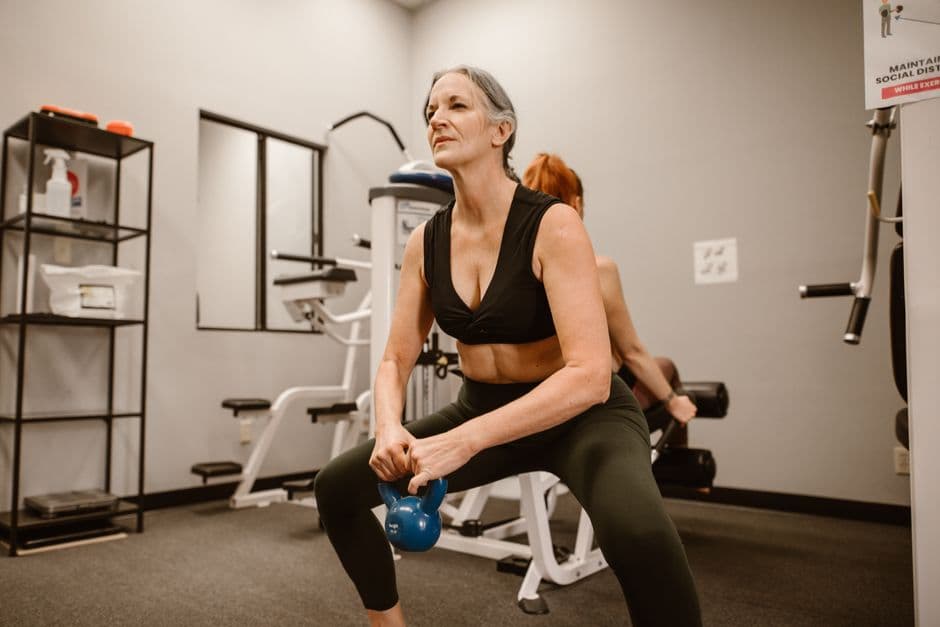
Commentary (not a new headcount trial). Christopher Hurst, senior research associate at Newcastle University, wrote in The Conversation; ScienceDaily carried it on 2 October 2026. The piece reviews evidence that sarcopenia, the age-related loss of muscle mass and strength, raises the risk of falls and fractures, particularly after age 70, and that adults with several long-term conditions are at higher risk. It argues that strength work, including squats, bands, machines, or body weight, is the most effective way to keep the strength used to stand, climb stairs, and carry bags, and that walking or cycling mainly train heart and lung fitness. It cites reviews that one session a week can produce meaningful strength gains in people new to training, that 20 to 25 repetitions with a lighter load can match about ten heavier repetitions if the effort is high, and that people in their 80s and 90s have built or kept strength with appropriate support. Protein is mentioned as the building block for repair. Participation is described as low. This is an expert synthesis of existing research, not a new trial with its own participant count. Educational notes. This is not a workout plan for a painful joint.

Read at Newcastle University / The Conversation →♡ Save

  • 60+
  • Exercise
  • Aging
  • commentary
  • aging
  • fitness
  • study

Journal of Exercise Science & Fitness · 1 Oct 2026 · Exercise

Weekend and regular activity both tracked with lower mortality in established multimorbidity

The Journal of Exercise Science & Fitness, October 2026, article 200516, reports National Health Interview Survey data from 1997 through 2018 linked to mortality records through 31 December 2019. Cardiometabolic multimorbidity meant at least two of heart disease, diabetes, and stroke. The sample was 15,079 adults, including 8,299 women (55 percent). Mean follow-up was 10.1 years, with 6,932 deaths. Versus inactive adults, the hazard ratio was 0.81 (0.75 to 0.89) for people who were insufficiently active, 0.64 (0.49 to 0.83) for a weekend pattern of at least 150 minutes a week in one or two sessions, and 0.60 (0.55 to 0.65) for people who were regularly active at least 150 minutes a week across three or more sessions. The estimated life expectancy gaps at age 45 were 2.24, 4.60, and 4.94 years. At age 65 they were 1.46, 3.04, and 3.27 years. The same weekly physical activity is what the categories describe. The study is observational and does not show that bunching that activity into fewer sessions causes a longer life. Not medical advice.

Read at Journal of Exercise Science & Fitness →♡ Save

  • 40–59
  • 60+
  • Cardiovascular / lipids
  • Metabolic / glucose
  • Exercise
  • Longevity
  • study
  • fitness

VitaLonga is an educational longevity resource, not a pharmacy, clinic, or doctor. Content is not medical advice and is not intended to diagnose, treat, cure, or prevent any disease (DSHEA). Supplements can interact with medications and are not appropriate in every pregnancy or health condition. Consult a licensed clinician, especially if you take medications, are pregnant or nursing, or have a diagnosed condition.