VitaLonga

Desk

News archive

Every story stays here. Filter by topic, search older headlines, and save favorites to your member record. Educational notes only — not medical advice.

Saved (sign in)

11 stories in this category

News-Medical · 10 Sept 2026 · Exercise

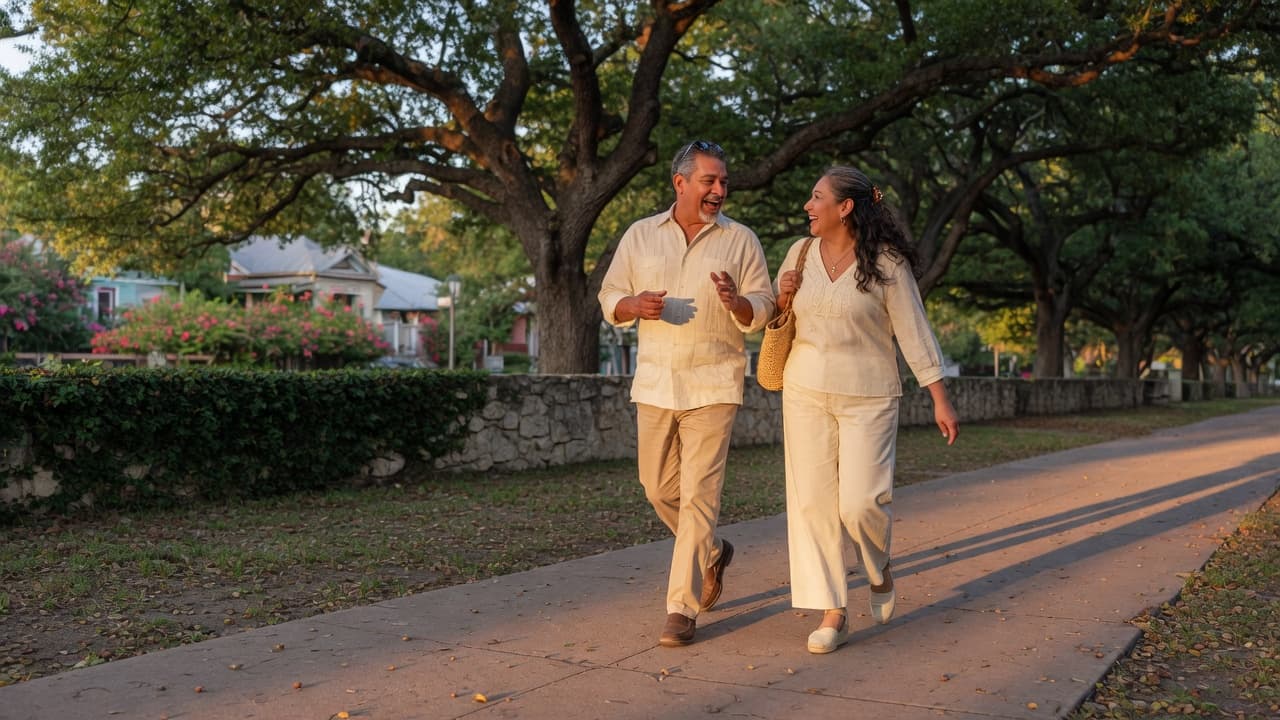
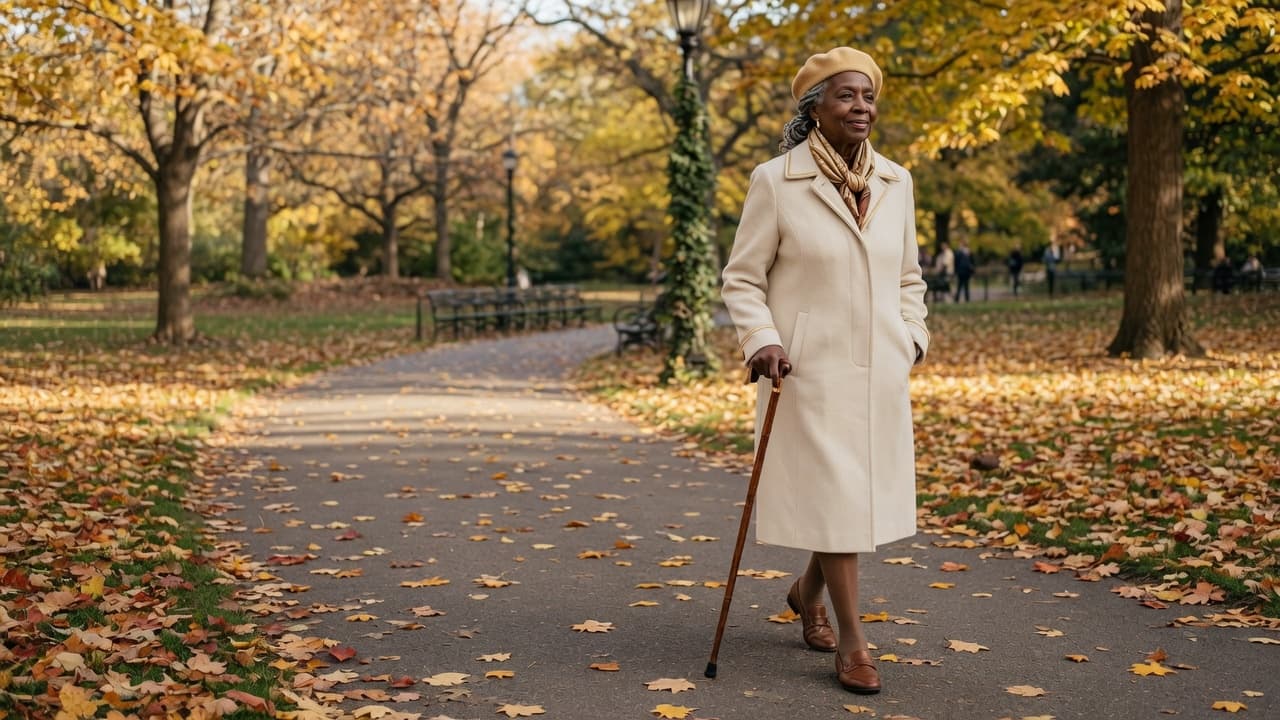
Movement span framework redefines how we measure aging

Commentary. Georgia Southern’s Li Li, in the Journal of Sport and Health Science, proposes “movement span” — years of confident, responsive, adaptive movement — as a third aging axis nested inside life span and health span. The opinion piece argues successful aging is not only longer disease-free years but everyday mobility quality, drawing on geroscience and motor-control evidence. This is a conceptual framework, not a trial of an exercise dose. Educational mobility notes, not a diagnosis of sarcopenia.

Read at News-Medical♡ Save

  • 60+
  • commentary
  • fitness
  • aging
  • study

News-Medical · 10 Sept 2026 · Exercise

Strength training shows no added arrhythmia risk in arrhythmogenic cardiomyopathy registry

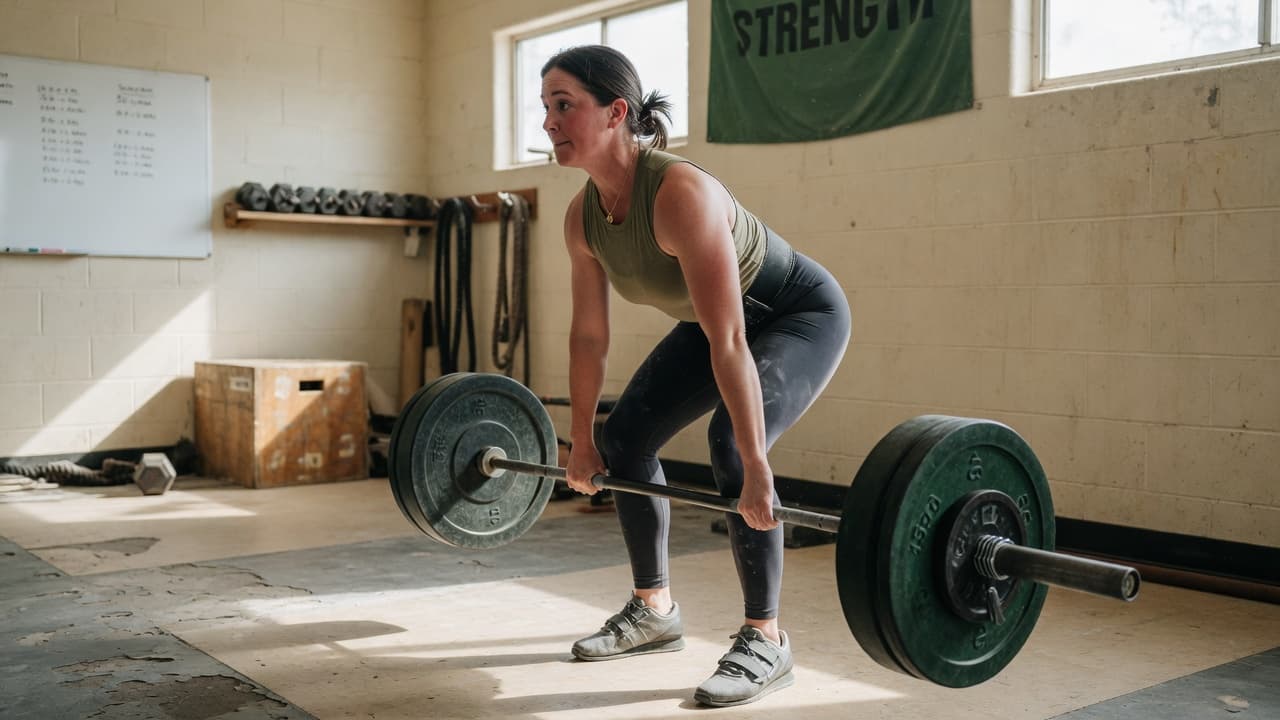
Study (registry). Johns Hopkins ARVC investigators report in JACC: Clinical Electrophysiology that among U.S. adults (median age 34 at enrollment, 44 at close), strength training (≥2 hours/week of weights, climbing, or martial arts) was not linked to higher sustained ventricular arrhythmia versus sedentary peers, while endurance athletes (≥4 hours/week vigorous aerobic) were 58% more likely to have an event than the sedentary or strength groups. About 55% of the cohort had a ventricular arrhythmia at some point. This is not blanket gym advice and not a diagnosis. Exercise choices in inherited cardiomyopathy are clinician-only.

Read at News-Medical♡ Save

  • Under 40
  • 40–59
  • study
  • fitness

News-Medical · 6 Sept 2026 · Exercise

Yoga with a cognitive twist showed some intriguing benefits in older adults

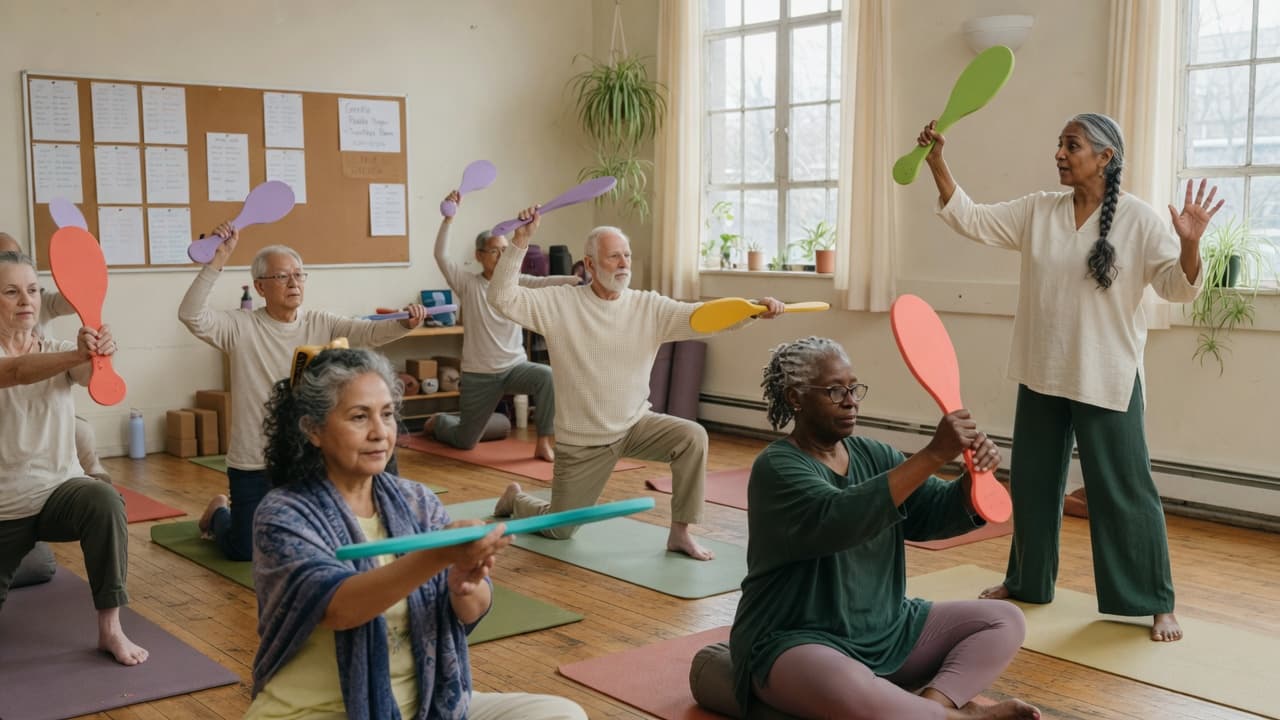
Study (pilot RCT). Martinez, Fitzgerald, Weber and colleagues randomised community-dwelling adults aged 60–90 to 24 weeks of traditional Hatha yoga or high-speed cued YogaCue (visual, verbal, and auditory sequence switches), three 60-minute sessions a week. Of 54 randomised, 34 completed testing. Both groups improved some cognitive and physical scores; YogaCue showed extra gains on some memory, aerobic, and physical-performance measures, while Hatha drove more strength and timed-up-and-go change. Small, predominantly female sample with no non-exercise control. Educational training notes, not a diagnosis.

Read at News-Medical♡ Save

  • 60+
  • study
  • fitness
  • cognition
  • aging

ScienceDaily · 5 Sept 2026 · Exercise

Compound in blueberries may help muscle cells burn excess fat

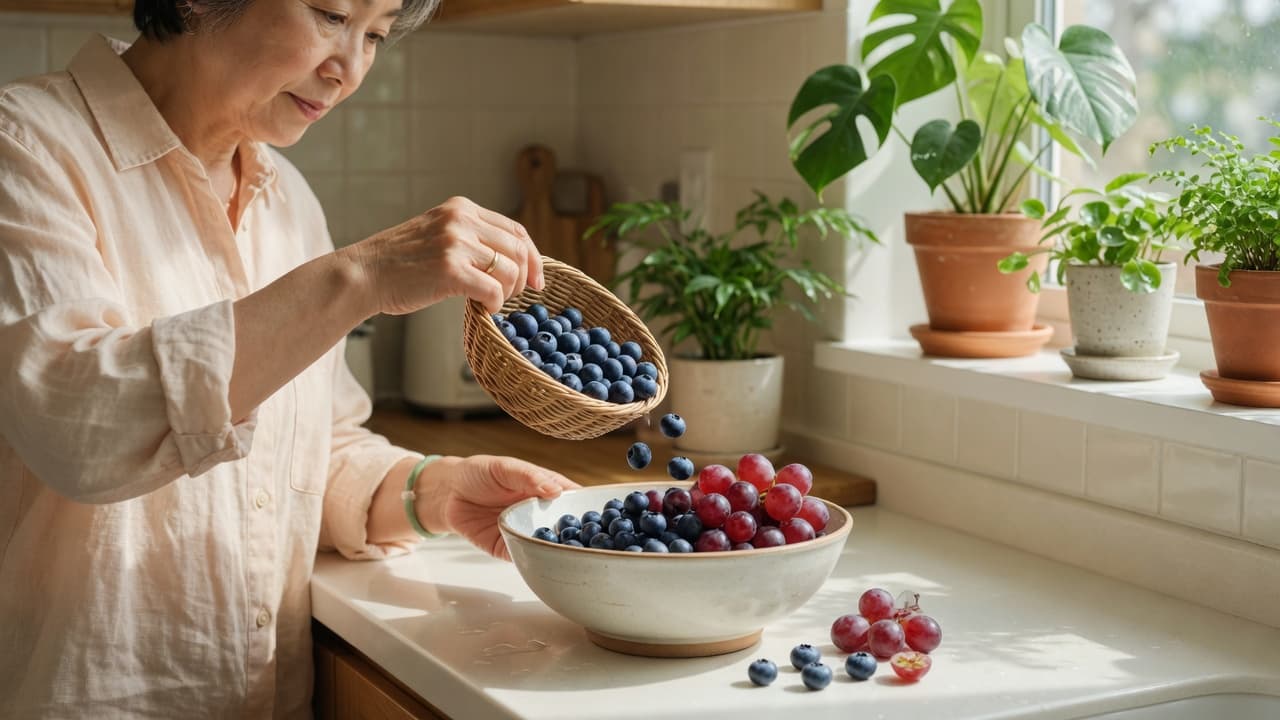
Study (cultured mouse muscle cells). Shinshu University researchers report in Food Bioscience (1 Sept 2026) that pterostilbene, a polyphenol in blueberries and grapes, cut lipid droplets in C2C12 myocytes by stabilizing PPARδ rather than blocking fat uptake. Cells still differentiated normally and showed more fat-oxidation gene activity. This is a dish experiment, not a human trial and not a reason to treat insulin resistance or myosteatosis with a berry extract. Food-first berries are fine; concentrated supplements are weakly evidenced for this claim.

Read at ScienceDaily♡ Save

  • study
  • nutrition
  • research
  • fitness

Medical Xpress · 5 Sept 2026 · Exercise

A single workout may help protect memory after a short night's sleep

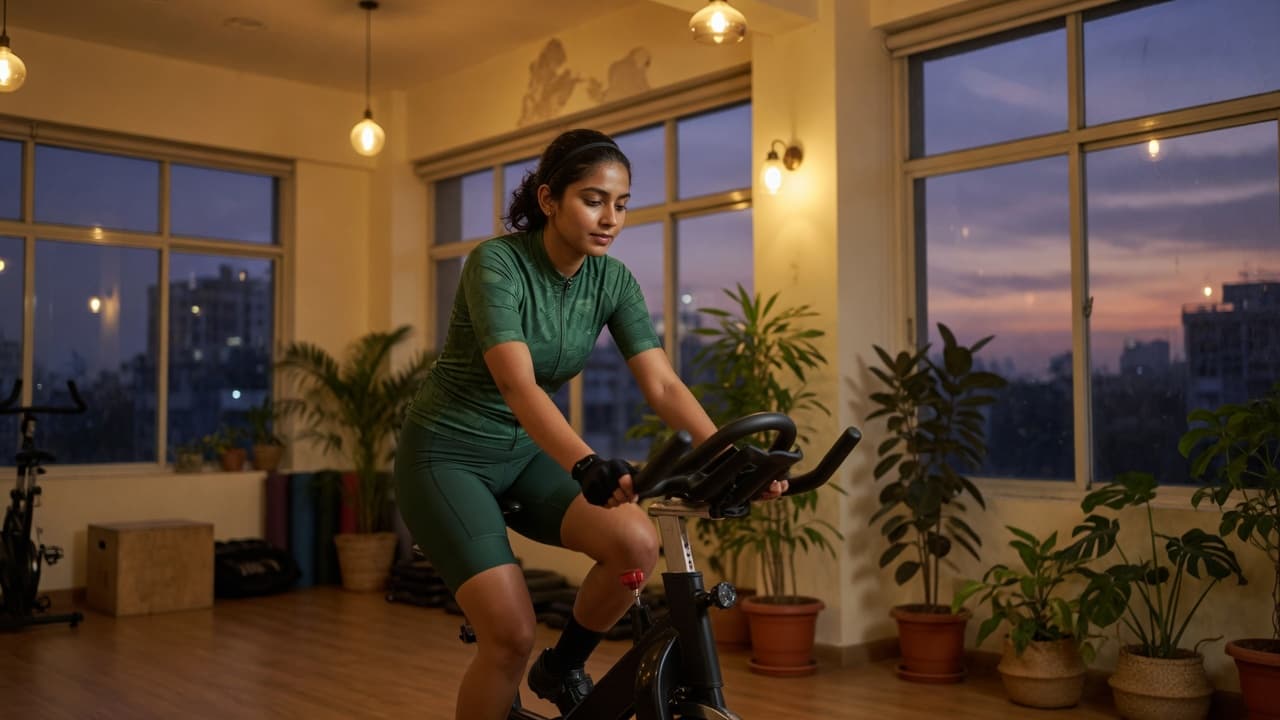
Study. Concordia University researchers (Emmanuel Frimpong, Arsenio Paez, Thien Thanh Dang-Vu and colleagues) report in SLEEP that 88 healthy young adults were randomized to 8.5 versus 4.5 hours in bed, with or without 30 minutes of moderate evening cycling (about 55–60% of VO2 max). After a 4.5-hour night, people who had cycled scored as well on delayed face–name recall as those who slept 8.5 hours. Slow-wave sleep statistically mediated the exercise–memory link. Immediate recall was similar across groups. This is an acute lab session in young volunteers, not a dementia trial and not a license to skip sleep. Educational movement notes.

Read at Medical Xpress♡ Save

  • Under 40
  • study
  • fitness
  • cognition
  • sleep

Nature Aging · 31 Aug 2026 · Exercise

Multimorbidity patterns influence mobility disability prevention in frail older adults from the SPRINTT trial

Study. Open-access analysis of the SPRINTT lifestyle trial: a multicomponent program aimed at mobility disability in frail older adults. Benefits were not uniform; people with psychiatric or unspecific multimorbidity patterns saw more consistent gains. Exercise and lifestyle remain clinician-guided when frailty or several diagnoses are present.

Read at Nature Aging♡ Save

  • 60+
  • study
  • fitness
  • aging
  • research

ScienceDaily · 16 Aug 2026 · Exercise

A little movement in midlife could pay off for your brain years later

Study (observational). UT Health San Antonio followed 402 San Antonio Heart Study / SALSA adults (mean age 57.9; 52% Hispanic) and linked midlife Life’s Simple 7 cardiovascular scores to later Mini-Mental State Examination change. Any physical activity versus sedentary tracked with slower cognitive decline especially among Mexican American participants; fasting glucose ≤126 mg/dL tracked with slower decline among non-Hispanic white participants. Association is not proof. Sample is modest. Movement and blood-sugar care remain habits with a clinician, not an Alzheimer’s treatment.

Read at ScienceDaily♡ Save

  • 40–59
  • study
  • fitness
  • cognition
  • aging
  • nutrition

ScienceDaily · 2 Aug 2026 · Exercise

Eating less protein could slow aging, major review finds

Commentary (review of >350 studies). Lamming and Knopf in Cell Press Blue argue that protein restriction can improve metabolism and nutrient sensing in animals, with FGF21 and branched-chain amino acids as candidate levers. Human trials of lower protein have shown fat loss and better fasting glucose in some sedentary adults, while older or training adults often need more protein to keep muscle. Updated U.S. ranges of 1.2–1.6 g/kg sit in tension with that animal longevity literature. Not a one-size diet and not a claim that protein powders treat aging. Needs vary with activity, pregnancy, and clinician advice.

Read at ScienceDaily♡ Save

  • Women
  • commentary
  • nutrition
  • aging
  • research
  • longevity
  • fitness
  • study

VitaLonga is an educational longevity resource, not a pharmacy, clinic, or doctor. Content is not medical advice and is not intended to diagnose, treat, cure, or prevent any disease (DSHEA). Supplements can interact with medications and are not appropriate in every pregnancy or health condition. Consult a licensed clinician, especially if you take medications, are pregnant or nursing, or have a diagnosed condition.